
At A Glance
Planning your stay?
Stays — check availability and book direct.
The best time to visit Malta is late April to early June or September to mid-October — warm sea, manageable air, low crowds, and lower prices than peak summer, with Carnival in February as the year’s standout cultural event.
- Late April through May and the whole of October hit the sweet spot of 23-25°C air, swimmable sea, low crowds, and shoulder-season prices.
- July and August deliver the postcard sea but 32°C+ heat and August prices that run 70-110% above winter rates.
- Carnival 2026 falls 13-17 February (built around Easter on 5 April 2026); it is one of the year’s biggest events.
- October hosts Notte Bianca, Birgufest, and the Rolex Middle Sea Race within four weeks of each other.
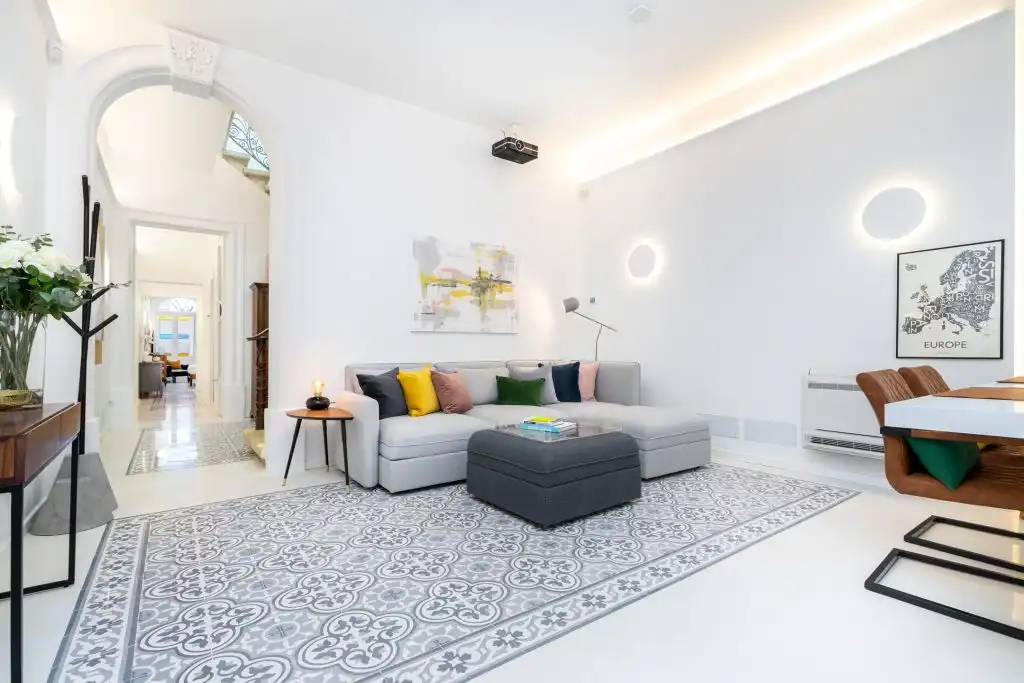
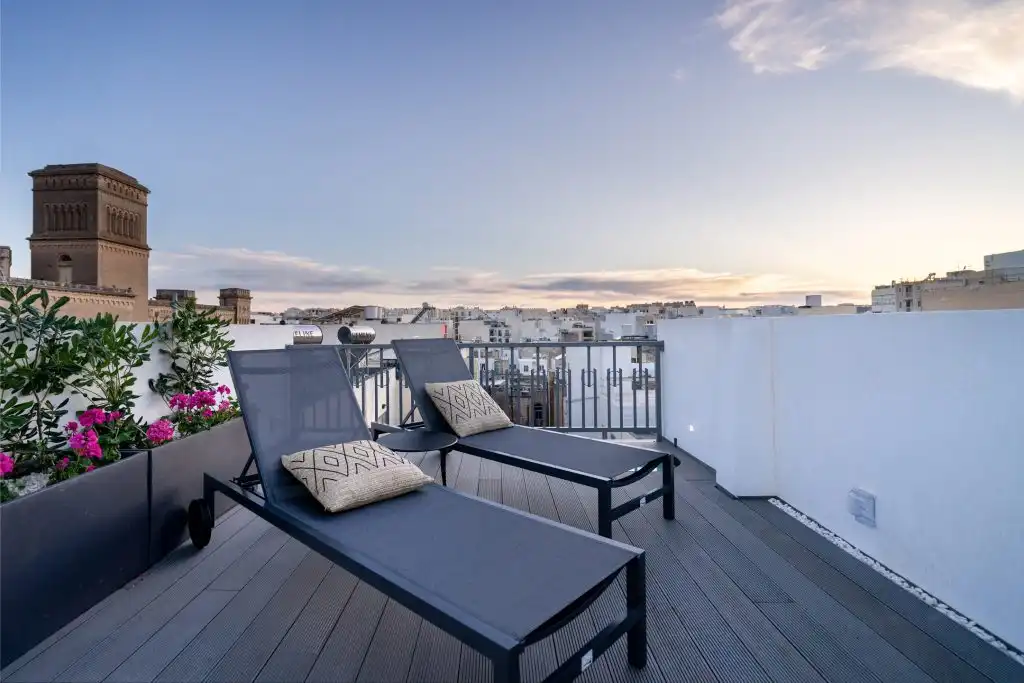
- Aster House operates year-round — the rooftop chillout works in summer, the projector media room earns its keep in winter.
I have welcomed guests to my Sliema villa in every month of the year, and one of the most useful conversations I have with them in the lead-up to a booking is which month they should aim for. The honest answer is that Malta rewards a different month for almost every kind of traveller. Beach holiday with kids? Different month from a couples’ anniversary trip. Cultural week without crowds? Different month again from a foodie autumn around lampuki season.
This is the proper month-by-month guide I send to repeat guests when they ask. It covers the genuine trade-offs of each season — weather, sea temperature, prices, what is open and closed, the festivals and processions worth scheduling around — plus the months experienced Malta visitors actually book once they have done one or two trips.
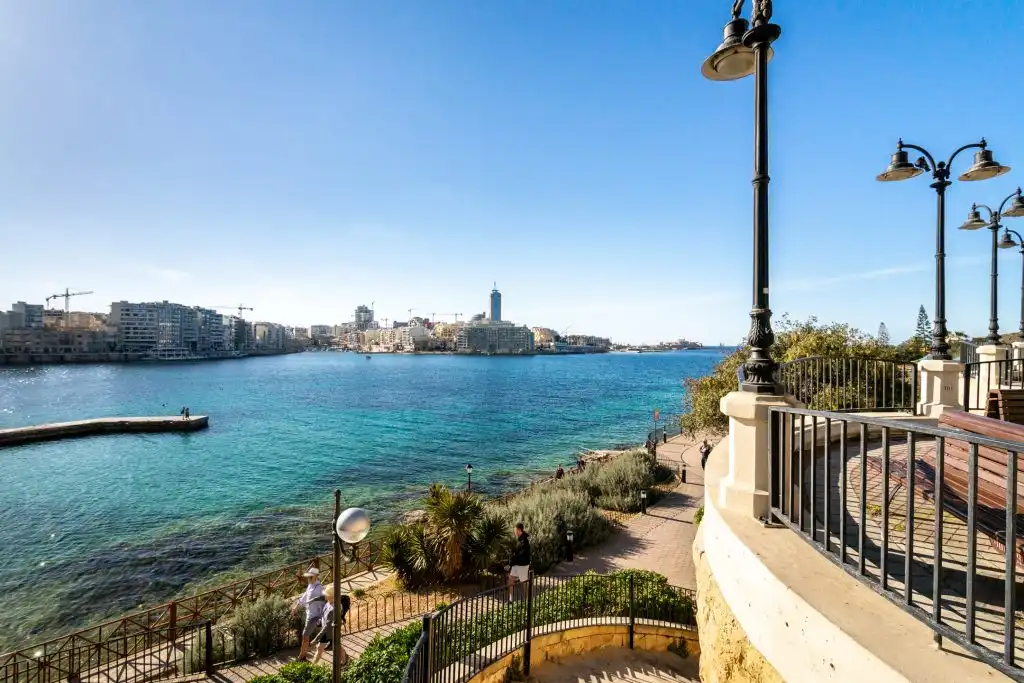
Staying in Malta?
Aster House sleeps up to 9, with a rooftop chillout, a 1930s outdoor tub, and a media room with a 2-metre projector screen. 150 metres from the seafront, 5 minutes from the Valletta ferry.
Best month to visit Malta by traveller type

Use this as your shortcut. The detail by season follows below.
| You want… | Go in… |
|---|---|
| Hot beach weather, no rain | July – August |
| Warm sea + low crowds | September – October |
| Best price-to-weather ratio | Late April or May |
| Festivals (festas) | June – September |
| Carnival | February (13-17 Feb 2026) |
| Christmas markets | December – early January |
| Walking, hiking, wildflowers | March – May |
| Diving (best visibility) | September – November |
| Lowest prices, fewest crowds | Mid-Jan – Feb (excl. Carnival), November |
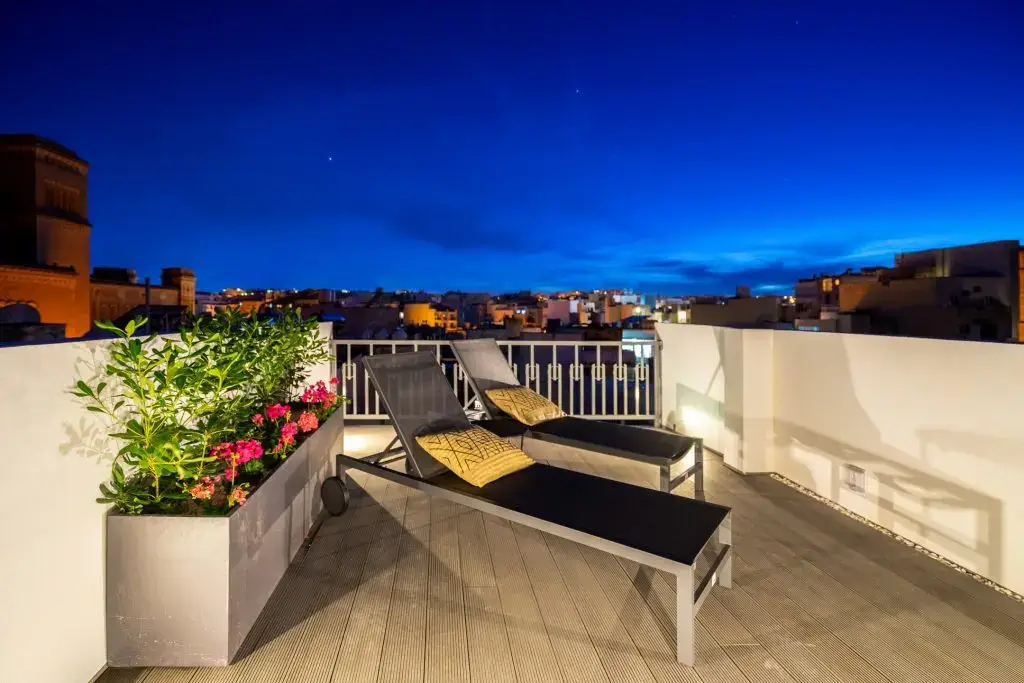
Picked your month? Aster House shows live rates for every season on its booking page, with week-long discounts applied automatically.
Spring in Malta (March to May): the connoisseur’s choice
March in Malta
Average highs 16-18°C, lows 10-11°C, sea still 14-15°C and not yet swimmable for most. Mediterranean low-pressure systems are still active — expect 2-3 stormy days through the month, occasionally with the grigalata (north-easterly wind) bringing rough seas off Sliema. The Gozo ferry is occasionally cancelled in heavy weather. Wildflowers peak from mid-March.
April in Malta
19-21°C, sea warming to 16-17°C, full daylight. Easter 2026 falls on Sunday 5 April, with Good Friday processions in Zebbug, Qormi, Mosta, Naxxar, Vittoriosa and others on 3 April. Zebbug and Qormi are the most theatrical, with full Roman costumes and biblical tableaux. Easter Sunday brings the Irxoxt (Risen Christ) processions in Vittoriosa and Cospicua — statue-bearers literally running through the streets.
May in Malta
The shoulder-season sweet spot. 23-25°C, sea reaching 18-20°C by month-end, almost no rain, and long daylight hours. Locals start swimming around mid-May; my repeat guests at Aster House tend to book May on rotation. Wildflowers are still good through the first half of the month at Buskett Gardens, Dingli Cliffs, and Ta’ Cenc on Gozo.


Summer in Malta (June to August): hot, busy, and full of festas
The heat reality
July and August average 32°C highs, but 35°C+ days happen 10-15 times each summer, with 38-40°C heat spikes possible during sirocco winds from the Sahara — typically two to four such events per summer lasting 2-3 days each. Valletta’s limestone streets behave like a slow oven from mid-afternoon, so plan sightseeing for before 11am or after 5pm. Upper Barrakka Gardens always catches the sea breeze.
The festa calendar
Every weekend somewhere on the island runs a village patron-saint celebration. The biggest are:
- Mnarja (Imnarja), 28-29 June — the oldest Maltese festa, folk music and food at Buskett Gardens
- Lija, 6 August — the premier ground fireworks (kaxxa infernali) of the year
- Mqabba, mid-August — fireworks-mad village competing with Lija for the best pyrotechnics
- Mosta (Santa Marija), 15 August — the biggest Marian festa, huge crowds at the Rotunda
- Naxxar (Vittorja), 8 September — coincides with Victory Day national holiday
Festivals worth checking
The Malta Jazz Festival runs at Ta’ Liesse on the Valletta waterfront in mid-July. The Malta International Arts Festival fills Valletta venues throughout July. Earth Garden, the alternative-music weekender, runs at Ta’ Qali in early June around Republic Day. Confirm 2026 dates closer to your trip.
Prices and crowds
August peak prices run 70-110% above January-February levels. Flights from the UK and Central Europe are 2-3 times winter prices. Restaurants often run summer-menu pricing 10-15% above shoulder rates. The Blue Lagoon at Comino is overrun — locals avoid it July-August entirely. If you want Comino in summer, arrive before 9am.
Autumn in Malta (September to November): the smartest months
Sea temperatures, week by week
The Mediterranean stores summer’s heat well into autumn. Sea temperatures by week:
- 1-7 September: 26°C (the warmest week of the year)
- Mid-September: 25°C
- End of September: 24°C
- Mid-October: 22°C
- End of October: 20°C
- Mid-November: 19°C
- End of November: 17-18°C
Comfortable swimming runs through the end of October for most travellers; locals routinely swim into mid-November.
What closes when
Beach lidos and seasonal kiosks at Ghadira, Mellieha, and Golden Bay typically wind down from late October and are mostly shut by mid-November. Many Bugibba and Qawra seasonal restaurants close November to March. Comino ferry frequency drops dramatically from November onwards (limited weekend runs only).
October events
- Notte Bianca, Valletta — first Saturday of October. All-night cultural festival, museums free until 1am.
- Birgufest (Birgu by Candlelight) — mid-October. Streetlights off, candles only.
- Rolex Middle Sea Race — third Saturday of October. 600-nautical-mile yacht race starting from the Grand Harbour.
- Malta Classic, Mdina — late October. Vintage motor-racing, hill-climb, and a concours d’elegance.
November weather risk
Statistically the wettest month of the year (~90mm rainfall on average), with rain concentrated in heavy short bursts rather than steady drizzle. The small but real risk of a Mediterranean cyclone (medicane) means late November can be either 18-20°C and sunny or 14°C and stormy — high variance year on year. Prices fall steeply.
Winter in Malta (December to February): mild but properly Mediterranean
What is open and what is not
Most major museums (St John’s Co-Cathedral, Grandmaster’s Palace, MUZA, Hagar Qim and Mnajdra, the Hypogeum if you have booked weeks ahead) stay open year-round. Sliema, St Julian’s, Valletta, and the Three Cities restaurants and bars all stay open. Comino ferries reduce to weekend-only or weather-permitting; Mellieha and Bugibba seasonal restaurants close. Christmas Day and Good Friday see near-total shutdowns.
Christmas markets
The full Christmas markets guide is here. The main market runs in Pjazza San Gorg in front of the Grandmaster’s Palace, typically from early December through 6 January (Epiphany). Smaller markets fill Pjazza Tritoni and Republic Street, with an ice rink usually at the Triton Fountain.
Carnival 2026
With Easter on 5 April 2026, Lent begins on Ash Wednesday 18 February 2026. Carnival therefore runs Friday 13 February through Tuesday 17 February 2026. Two distinct flavours:
- Valletta Carnival — family-friendly, daytime parades on Republic Street, kids’ floats, traditional defile down to the Floriana Granaries.
- Nadur Carnival on Gozo — the older, satirical, adults-only version. Spontaneous, anti-establishment, masks emphasising the macabre. Locals’ favourite. Take the ferry from Cirkewwa and stay overnight in Gozo.
Daylight and rainfall
Daylight hours: 21 December delivers 9h 32m (sunrise 7am, sunset 16:50); 15 February reaches 11 hours. Rainfall averages 70-90mm in December and January, falling on 8-10 days — meaning most days are dry and 14-17°C. Cold snaps with strong NW wind (Majjistral) make it feel raw — typically 2-3 episodes per winter, lasting 3-5 days each.
Best time to visit Malta by who you are travelling with
Couples and anniversary trips
Late September to mid-October. The sea is still 24-25°C, the festas are done, the lidos are still open, and Birgufest by candlelight is genuinely romantic. Mid-May is the alternative.
Families with under-5s
Mid-May to mid-June, or mid-September. You want to avoid 32°C+ heat (toddler nap-killer) but keep pools warm enough. Sliema’s pram-friendly seafront promenade is exhausting in August heat and lovely in May.
Families with primary-school kids
Late June (school just out, sea warm, festa fireworks thrill the kids) or Easter week for processions plus a beach combo.
Multigenerational groups
Late April to May, or October. Avoid heat extremes — older travellers struggle in Valletta limestone heat. October is ideal: still warm, easier walking, fewer cruise-ship crowds. Aster House sleeps 9 across three super-king ensuite rooms with a sofa bed in the master suite and a sofa bed in the media room — a layout that works for grandparents-plus-grandchildren stays.
Diving
September to November for the best visibility (30m+) and warmest sea before winter mixing kicks in. Wreck dives at the Um El Faroud, P29, and Rozi are at their best. Worst visibility is in March (winter mixing, plankton blooms, 15-20m visibility). Coldest water is February-March (15-16°C, drysuit territory).
Hikers
Late February through April. Wildflowers are out, temperatures are cool, and the long Victoria Lines walk, the Dingli-Mtahleb-Fawwara coast, and Gozo’s Ta’ Cenc are at their best. Avoid June-September — no shade, real dehydration risk.
Cultural and history travellers
November to March. The Hypogeum is easier to book, museums are uncrowded, no queues at St John’s, and Valletta’s evening passeggiata is at its most atmospheric. Caravaggio’s Beheading of Saint John can be seen without a crowd of 40 people in winter only.
Foodies
- Lampuki season: late August through November (peak September-October). Lampuki pie only available these months.
- Grape harvest and wine: September. Marsovin and Meridiana harvest events.
- Olive harvest: October-November.
- Strawberry Festival in Mgarr: late April or first Sunday in May.
- Chocolate Festival in Hamrun: February.
- Delicata Wine Festival: late July or August in Pjazza San Gorg, Valletta.
Budget travellers
Mid-January to late February (excluding Carnival weekend) and November (excluding Notte Bianca week). Hotel rates run 50-60% below August. Flights are at year-low. Trade-off: limited beach and sea swimming. Shoulder-season Aster House dates are some of my best-value bookings.
When NOT to visit Malta
- 10-25 August: peak heat plus peak Italian and Maltese holidays plus peak prices plus Comino unbearable. Avoid unless festa-chasing is the goal.
- 24-26 December: 50%+ of restaurants closed, museums shut on Christmas Day, public transport on a skeleton service.
- Last week of November: highest storm risk, lidos shut, swim season finished, Christmas decor not yet up — the closest Malta gets to a dead zone.
- First two weeks of February in most years: coldest stretch, occasional cold snaps with NW wind making coastal walks miserable. (Mid-February 2026 is redeemed by Carnival.)
- Easter Monday and the week after: the Maltese diaspora returns, hotels fill with returning families, prices spike.
Where to stay year-round
Sliema is your best base in every season — central, walkable, on the Valletta ferry line, and full of restaurants that stay open through winter. Aster House sits 150 metres from the seafront, with a rooftop chillout for summer and a media room with a 2-metre projector screen for winter. Read my full Where to Stay in Malta guide for area-by-area trade-offs.

A Note From Susan
“If you ask me my favourite week of the year for Malta, I will say the second week of October every time. The sea is still 24°C, Birgufest fills the bastions of Birgu with candles, and the rooftop terrace at Aster House is still warm enough for a glass of something cold after dark.”
— Susan, Espais Roca founder
More to Explore
- Malta Weather by Month: Complete Climate Guide
- Where to Stay in Malta: Best Areas Guide
- Malta in October: A Complete Guide
- Malta Carnival: Dates, Events & Local Tips
Frequently Asked Questions
What is the best month to visit Malta?
Late April through May, and the whole of October, are the best all-round months: warm sea, manageable air temperatures, low crowds, and lower prices than peak summer.
What is the cheapest month to visit Malta?
Mid-January to mid-February (excluding Carnival weekend) and November deliver year-low flights and accommodation. Hotel rates run 50-60% below August.
What is the warmest month in Malta?
August, with average daytime highs of 32°C and sea temperatures peaking at 26°C. Heat spikes of 35°C+ happen on average 10-15 days each summer.
When can you swim in Malta?
Comfortable swimming runs late May to late October. The sea peaks at 26°C in early September and stays above 22°C through October. Locals swim into mid-November.
Is Malta good in winter?
Yes for culture, food, and Carnival. Less so for beaches. Daytime temperatures are mild (14-16°C) but the sea is too cold for most to swim.
When is Carnival 2026 in Malta?
Carnival 2026 runs from Friday 13 February through Tuesday 17 February. Valletta’s parades are family-friendly; Nadur in Gozo runs the older, satirical, adults-only version.
Is Malta worth visiting in November?
Yes if you accept some rain. The air is still 20°C, the sea is still 20°C, prices are at year-low levels, and the cruise crowds are gone. Be aware of higher storm risk in the last 10 days.
When is Easter 2026 in Malta?
Easter Sunday 2026 falls on 5 April. Good Friday processions on 3 April are spectacular in Zebbug, Qormi, Mosta, Naxxar, and Vittoriosa. Easter Sunday brings the Irxoxt (Risen Christ) processions in Vittoriosa and Cospicua.
Stay at Aster House
Sun all year. A villa worth coming home to.
Aster House sleeps up to 9 across three ensuite super-king bedrooms, with a rooftop chillout, projector media room, 1930s outdoor tub, and gas BBQ on the terrace. 150 metres from the Sliema seafront.
Check availability
Susan
Susan is the host of Aster House and a founder of Espais Roca, a small collection of heritage homes lovingly restored across Malta, Portugal and the UK. She lives near the villa, welcomes most guests personally, and is on hand by message or phone during every stay.
Read more about Susan and Aster House →