
Malta Carnival is one of the Mediterranean’s most spectacular and colorful festivals, drawing visitors from around the world to witness its unique blend of tradition, creativity, and celebration. This five-day pre-Lent festival features dazzling parades with elaborate floats, extravagant costumes, marching bands, and lively dance competitions. Every year, towns like Valletta and Floriana transform into vibrant stages filled with music, street performances, and masked balls, turning the streets into an unforgettable spectacle. Beyond the visual excitement, Malta Carnival reflects the island’s rich culture, showcasing centuries-old traditions, local artistry, and a community-driven, playful spirit that unites both locals and tourists.
The festival holds a special place in Maltese life, offering residents a joyful celebration before the solemn period of Lent while giving visitors a window into authentic Maltese customs. From tasting traditional treats like praline and pastizzi to joining in street parties, costume contests, and dance competitions, tourists can fully immerse themselves in the Carnival atmosphere. People travel from across the globe not only to see the vibrant parades but also to experience the lively energy, creative expression, and cultural heritage that make Malta Carnival an unforgettable festival in the Mediterranean calendar.
History of Malta’s Carnival: Origins, Traditions & Evolution
1. Origins and Evolution
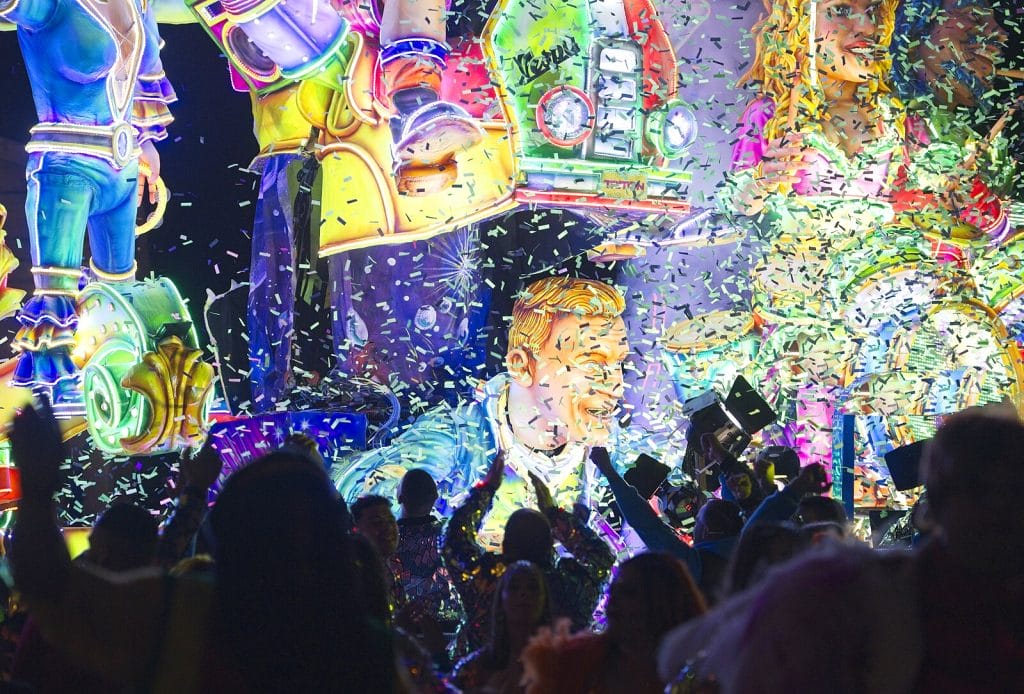
Malta’s Carnival celebrations trace their roots back to the 1400s, making it one of the oldest festival traditions on the island. Initially inspired by Italian Carnevale, early Maltese Carnival combined theatrical performances, masquerades, and public festivities with local customs. Over the centuries, what began as a small, community-focused event evolved into a grand, island-wide celebration embraced by towns across Malta.
During the 16th century, under the rule of the Knights of St. John, Carnival became more structured and elaborate. Festivities included:
- Formal parades showcasing floats and performers.
- Masked balls reflecting social status and creativity.
- Competitions and performances that entertained locals and visitors alike.
By the 18th century, Malta Carnival had expanded significantly, with towns such as Valletta and Floriana emerging as the main hubs. Parades, music, and street performances drew large crowds, making Carnival a central part of Maltese cultural life. Even during foreign rule, including the British colonial period, Carnival retained its importance as a celebration of local identity and tradition.
Today, Malta Carnival is a five-day festival held before Lent, featuring:
- Colorful parades with elaborate, themed floats.
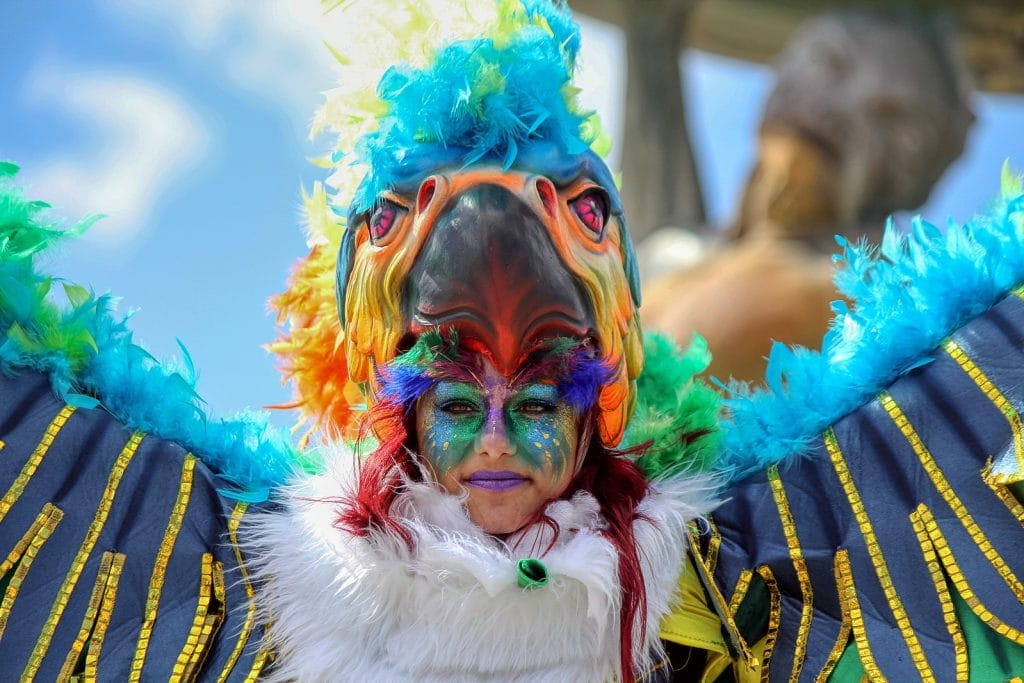
- Extravagant costumes and masks worn by locals and tourists.
- Marching bands and dance competitions that fill the streets with music.
- Street parties, family-friendly events, and traditional food stalls.
This rich history makes Malta Carnival not just a festive event but a reflection of centuries of cultural heritage, artistic expression, and community spirit. For those curious about Malta’s geography and why such vibrant celebrations can take place across its towns, check out this guide to how big Malta is and travel insights for visitors.
2. Traditional Practices
Mention Carnival, and bright masks, incredible outfits, and giant parade floats immediately spring to mind. Historically, masks allowed participants to step outside social boundaries and adopt new identities, whether as nobles attending masked balls or commoners joining street festivities. Costumes ranged from simple disguises to elaborate designs that showcased local artistry. Over time, floats became increasingly intricate, often featuring hand-crafted decorations, bold colors, and thematic displays. Traditional music and dance also played a significant role. Folk dances, parades with live bands, and rhythmic performances contributed to the lively, communal atmosphere of the festival.
While modern Malta Carnival has adopted more organized competitions, awards, and corporate sponsorships, the essence of the celebration remains rooted in centuries-old traditions. Locals continue to gather in the streets to enjoy parades, dress in vibrant costumes, and take part in dances and competitions, blending historical customs with contemporary festival culture. This combination of heritage, creativity, and community spirit is what makes Malta Carnival a truly unforgettable cultural event.
Malta Carnival Dates and Schedule: 2026 Guide to Key Events
1. When is Malta Carnival in 2026?
Get ready for it to arrive by February, or maybe in the first days of March. This big event stretches across several days. Five days elapsed. , offering both locals and visitors a packed schedule of parades, masked balls, competitions, and street festivities. In 2026, Carnival will continue this long-standing tradition, bringing together communities across Malta to celebrate with music, dance, and colorful costumes.
This festival is one of the most anticipated cultural events of the year, attracting tourists eager to experience Malta’s vibrant traditions and lively atmosphere. During Carnival, towns like Valletta and Floriana come alive with elaborate decorations, colorful floats, and nonstop entertainment.
2. Malta Carnival Event Schedule: What to See Each Day
The five-day Carnival features a mix of events suitable for all ages. A typical schedule includes:
- Pre-Carnival Events:
- Street performances and live music in town squares.
- Costume previews, local craft fairs, and community parades.
- Main Parade Days:
- Floriana Parade: Famous for massive floats, marching bands, and vibrant costumes. Best viewed along Floriana’s main streets.
- Valletta Parade: Combines floats, dance troupes, and theatrical performances in a historic city setting.
- Closing Ceremonies:
- Prize announcements for best floats and costumes.
- Fireworks and final street parties to conclude the festivities.
3. Top Locations to Experience Malta Carnival
While Carnival celebrations take place across Malta, certain locations are considered highlights:
- Valletta: Home to official parades, masquerade balls, and a historic ambiance.
- Floriana: Known for its large floats, marching bands, and central parade hub.
- Other Towns: Gozo, Birkirkara, and Sliema host smaller, community-driven celebrations that offer an authentic local experience.
These locations ensure visitors can enjoy a combination of grand spectacle and intimate cultural moments, making Malta Carnival a truly unforgettable festival.
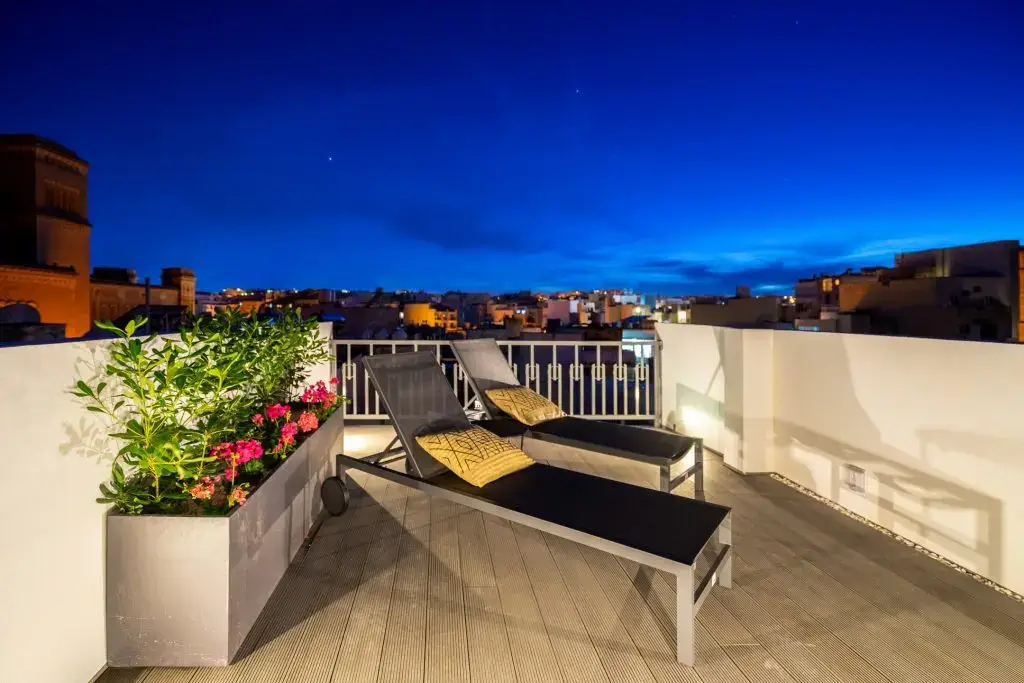
Visiting for Carnival? Aster House sleeps up to 9, ideal for a group trip during the Carnival weekend, in central Sliema.
Main Events at Malta Carnival: Parades, Parties, Family Fun & Food”
1. Grand Parades
You’ll see breathtaking processions, a true feast for the eyes, moving right past you. You’ll see amazing bursts of color and incredibly creative acts. These lively performances truly steal the show at Malta Carnival. Elaborate floats parade through the streets, each crafted with attention to detail, vibrant designs, and imaginative themes. Wildly dressed performers parade with the floats, busting moves and waving to the cheering crowd. Marching bands fill the streets with lively music, making the atmosphere electric and unforgettable for anyone attending.
- Floriana Parade: Main hub for the largest floats and energetic performances.
- Valletta Parade: Historic streets provide a stunning backdrop for floats and dancers.
- Tip: Arrive early to secure a good viewing spot.
The parades are more than just visual entertainment; they reflect Maltese culture, history, and humor. Some floats depict satirical takes on politics or pop culture, adding a playful layer to the celebration. Visitors are encouraged to wander along the parade route to catch spontaneous performances and street artists, making the experience interactive and engaging.
The grand parades are perfect for photography enthusiasts, families, and cultural explorers alike. Even standing at the edge of the crowd, the combination of music, costumes, and creative floats leaves a lasting impression. Watching the parade in different towns also offers a glimpse of how Carnival traditions vary across Malta.
2. Street Parties & Concerts
Malta Carnival truly lights up with its lively street parties and thrilling live concerts. These events keep both locals and visitors dancing and having a blast without a break. Local bands fill town squares and streets with sound, playing classic Maltese tunes right next to today’s popular songs. Colorful lighting and decorations enhance the festive environment, creating a joyful atmosphere that lasts well into the night.
- Dance Competitions: Groups perform choreographed routines in stunning costumes.
- Costume Contests: Adults showcase their creativity in competitions judged by local experts.
- Tip: Evening street parties are best for adults seeking a lively atmosphere, while daytime events are family-friendly.
These events allow visitors to experience the festival beyond the main parades, offering spontaneous performances, live shows, and the chance to mingle with locals. Many street parties are free to attend and encourage audience participation, making it a highly interactive experience.
Street parties also include pop-up bars and food stalls, allowing visitors to enjoy a drink or snack while enjoying music and dancing. Whether attending a small-town celebration or the bustling streets of Valletta, the energy and excitement are contagious, creating memories that last long after Carnival ends.
3. Children’s Carnival
Malta Carnival is family-friendly, offering a Children’s Carnival with dedicated events that ensure younger visitors can join in the fun. Kids can participate in costume competitions, puppet shows, face painting, and creative workshops. Family zones in Valletta, Floriana, and smaller towns provide safe spaces for children to enjoy the festivities.
- Kids’ Parades: Children march in mini-parades showcasing colorful costumes.
- Craft Workshops: Opportunities for children to make masks or small floats.
- Tip: Arrive early to avoid crowds and give children time to fully enjoy activities.
These events are designed to make Carnival inclusive, allowing families to experience the festival together. Children’s activities often include interactive games and performances, giving kids a sense of pride and excitement as they participate.
Even beyond the structured events, families can enjoy watching the grand parades or street performances together. The Children’s Carnival ensures that Carnival is not just for adults; it’s a community celebration where all ages can participate and enjoy the creativity, music, and energy.
4. Traditional Food & Drink Festivals
Sampling traditional Maltese food and drink is an essential part of the Carnival experience. Streets and festival areas feature stalls offering both sweet and savory treats, letting visitors taste the local flavors while enjoying the festivities. Signature Carnival snacks reflect Malta’s culinary heritage and are perfect for quick bites while watching parades or attending events.
- Prinjolata: A festive dessert made with sponge cake, nuts, and cream.
- Karamelli: Colorful traditional candies loved by children and adults.
- Pastizzi & Ftira: Savory pastries found at street stalls and cafes.
- Tip: Budget for food and drinks, especially during the busiest parade days.
Food festivals are not only about eating—they provide a social atmosphere where locals and tourists mingle, taste different dishes, and enjoy live cooking demonstrations. Many stalls are family-friendly, offering smaller portions for children and interactive experiences, such as making small sweets or learning about traditional recipes.
Visiting food and drink stalls allows you to explore Maltese culture in a delicious, hands-on way. These culinary experiences complement the music, dance, and parades, giving a full sensory experience of Malta Carnival. For practical planning, it’s helpful to check guides on travel expenses, such as this Malta travel cost guide, so you can enjoy food, drinks, and festival activities without surprises.
Malta Carnival Costumes and Masks: Traditional, Modern Styles & Rental Options
Traditional Costumes: Historical Significance and Popular Styles
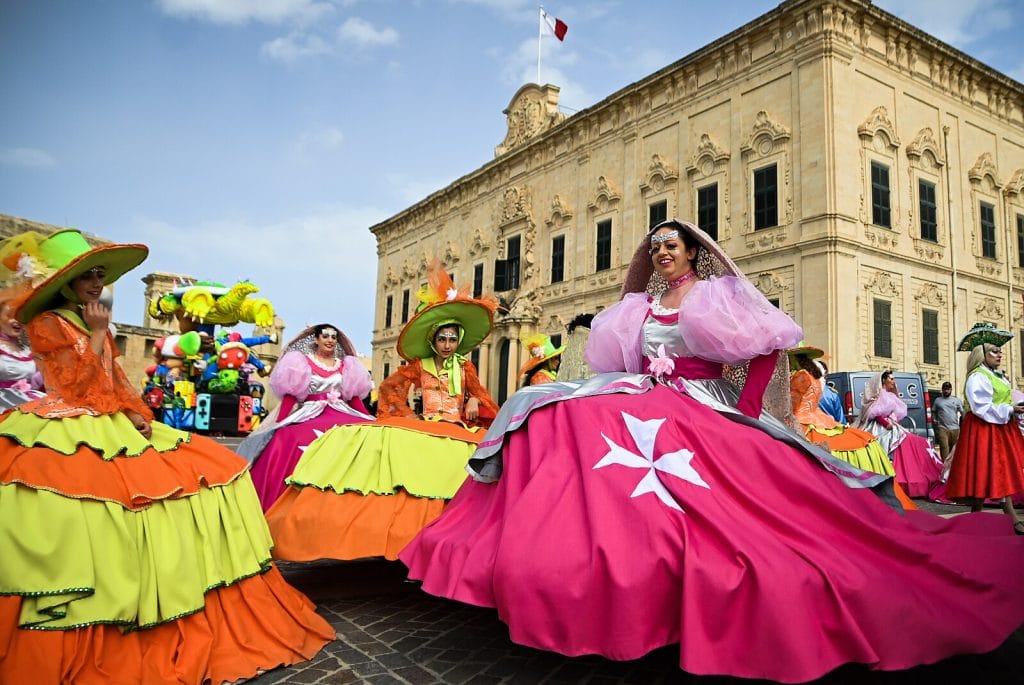
For centuries, Malta Carnival has brightened the island. Picture the vibrant clothes people wore generations ago, that date back centuries, reflecting local culture, social customs, and influences from the Italian Carnevale. Historically, costumes were not just decorative—they allowed people to step outside their everyday roles, disguise social status, and join in communal celebrations. These costumes often included elaborate gowns, robes, and period-inspired attire that showcased the creativity and artistry of Maltese makers.
Common Traditional Styles:
- 18th-century-inspired gowns with intricate lace and embroidery.
- Masks in neutral or gold tones symbolize mystery and elegance.
- Capes, robes, and headpieces are often inspired by nobility or folklore.
Today, traditional costumes are still celebrated during the main parades and themed events. Wearing such attire allows visitors to connect with the history of Malta Carnival, blending cultural appreciation with festive fun. Locals and enthusiasts often craft their own costumes, making each outfit unique and authentic.
When you see Malta’s traditional clothing, you’re not just admiring fabric. You’re witnessing history come alive, a powerful tie to the island’s heritage. Many parades highlight the craftsmanship of these outfits, offering visitors the chance to admire centuries-old techniques reimagined for modern audiences.
Modern Twist: Contemporary Malta Carnival Fashion Trends
While tradition remains important, modern Malta Carnival costumes showcase creativity, humor, and contemporary fashion. Recent years have seen a surge in bold, avant-garde designs, with bright colors, LED elements, and thematic creativity that reflects pop culture, global events, and artistic imagination. These modern twists allow participants to stand out and bring a fresh energy to parades, street parties, and competitions.
- Popular Modern Trends:
- Futuristic or sci-fi inspired costumes with lights and props.
- Satirical or themed outfits inspired by movies, politics, or memes.
- Mix-and-match styles combining traditional elements with modern flair.
The modern approach encourages experimentation, making Carnival a visual feast for visitors and locals alike. Costume competitions often reward originality, craftsmanship, and performance, which motivates participants to go beyond traditional norms.
Modern costumes also reflect Malta Carnival’s global appeal, attracting tourists who want to engage creatively with the festival. Whether joining parades, street parties, or family events, contemporary outfits are an exciting way to immerse oneself in the vibrant Carnival atmosphere.
Where to Buy or Rent Malta Carnival Costumes
For tourists and locals looking to join the festivities, costumes and masks can be bought or rented from local shops and online platforms. Valletta and Floriana are the main hubs, offering specialized stores that carry both traditional and modern outfits, as well as accessories like masks, wigs, and hats.
- Local Shops:
- Costume stores in Valletta’s central streets.
- Specialty boutiques in Floriana offering masks and themed outfits.
- Shops selling handcrafted masks with traditional designs.
- Rental Options:
- Online rental platforms allow tourists to pre-order and pick up costumes on arrival.
- Rental shops provide full packages including masks, props, and accessories.
Costume rental is particularly convenient for visitors traveling from abroad, as it avoids the hassle of transporting elaborate outfits. Whether purchasing or renting, preparing a costume in advance ensures participation in parades, competitions, and street parties without missing out on key experiences.
Joining Malta Carnival in a costume or mask is one of the most immersive ways to celebrate. It allows visitors to participate fully, feel connected to the local culture, and experience the festival’s visual and social vibrancy firsthand.
Tips to Enjoy Malta Carnival 2026 Like a Local: Parades, Food, and Fun
1. Arrive Early
To truly enjoy Malta Carnival like a local, one of the most important tips is to arrive early. The streets of Valletta and Floriana can become very crowded during the main parades, so getting there ahead of time allows you to secure a good viewing spot.
Why Arriving Early Helps:
- Beat the crowds for prime parade views.
- Access quieter areas for pre-Carnival activities.
- Take photos without obstruction from large crowds.
Arriving early also gives you time to explore street performances, smaller parades, and local pre-Carnival events. Many locals treat this time as part of the tradition, enjoying a coffee or snack while waiting for the main festivities to begin.
2. Plan Your Transport
Efficient transport is essential during Carnival, especially in central hubs like Valletta and Floriana. Traffic can be heavy, and some streets may be pedestrian-only during key events.
- Transport Tips for Locals and Tourists:
- Public Transport: Frequent buses stop near main parade routes and are convenient for avoiding traffic.
- Walking: A great way to navigate narrow streets and soak up the festival atmosphere.
- Private Cars: Parking is limited; use drop-offs or park outside city centers.
Planning your route ensures you can enjoy all events without stress. Locals often combine walking and public transport to move between parades, street parties, and food stalls efficiently.
3. Eat Local
Sampling traditional Maltese foods is a must during Carnival. Street vendors, cafes, and pop-up stalls offer a variety of treats that keep visitors energized while exploring the festivities.
- Top Carnival Foods:
- Imqaret: Sweet date-filled pastries, deep-fried for a crunchy finish.
- Pastizzi & Ftira: Savory pastries and sandwiches perfect for on-the-go.
- Street Snacks: Freshly baked goodies, local candies, and beverages.
Trying these treats is a fun way to immerse yourself in Maltese culture. Food also fuels long days of walking, watching parades, and participating in celebrations.
- Pro Tip: Bring small cash denominations for quick transactions at busy stalls.
4. Join in the Fun
Malta Carnival is all about participation, so don’t just watch—join in! Dancing in the streets, joining costume contests, or taking part in interactive events allows you to experience the festival like a local.
- Ways to Participate:
- Dance with performers during street parties.
- Enter costume competitions or dress up in traditional or creative outfits.
- Engage with performers and locals for a more immersive experience.
Being part of the action transforms your visit from spectator to participant, making the Carnival experience unforgettable. Locals often recommend fully embracing the music, parades, and playful energy of the festival.
5. Capture Memories
Documenting your Malta Carnival experience is important, but it’s essential to do so without disrupting others. With colorful floats, performers, and costumes, photography can be incredibly rewarding.
- Photography Tips:
- Use a compact camera or smartphone to avoid blocking views.
- Capture candid moments rather than standing in the middle of parade routes.
- Focus on details like costumes, masks, and street decorations.
Taking photos thoughtfully lets you preserve memories while respecting the flow of the parade. Locals often suggest taking small breaks to enjoy the event without being glued to your camera, ensuring you fully experience the festival firsthand.
Where to Stay During Malta Carnival 2026: Hotels, Villas, and Luxury Stays

For Malta Carnival, snag a spot right in the action, Valletta, Sliema, or St. Stop by Julian’s welcoming art studio this afternoon. is ideal for enjoying the parades, street parties, and local events. Hotels in these areas range from boutique options to modern chains, while Airbnb rentals offer authentic local experiences with private terraces, sea views, and family-friendly amenities. Budget travelers can find guesthouses or smaller apartments that are comfortable, convenient, and close to Carnival action.
What do you need? We’ve got solutions ready. Top-tier accommodations. , Discover Aster House Malta, your inviting island stay. You’ll find a great pick in Sliema here. It wraps you in comfort, sharp design, and all the handy new features.
For a luxury stay, Aster House Malta in Sliema is one of the best options, offering comfort, style, and modern amenities:
- Spacious Layout: 3 bedrooms, 3 bathrooms, a media room, and 240 m² of living space.
- Indoor-Outdoor Living: 10-metre folding glass wall connecting to terraces.
- Family-Friendly Features: Baby cots, high chairs, toys, kids’ Netflix, and XBOX.
- Relaxation & Entertainment: Rooftop chill-out zone, BBQ terrace, superking beds, spa-like bathrooms.
- Prime Location: 24 Triq Melita, SLM 1980, Sliema, Malta—minutes from the sea and Carnival hotspots.
From budget accommodations to luxurious villas like Aster House, Malta offers something for every traveler, ensuring a comfortable and memorable Carnival experience.
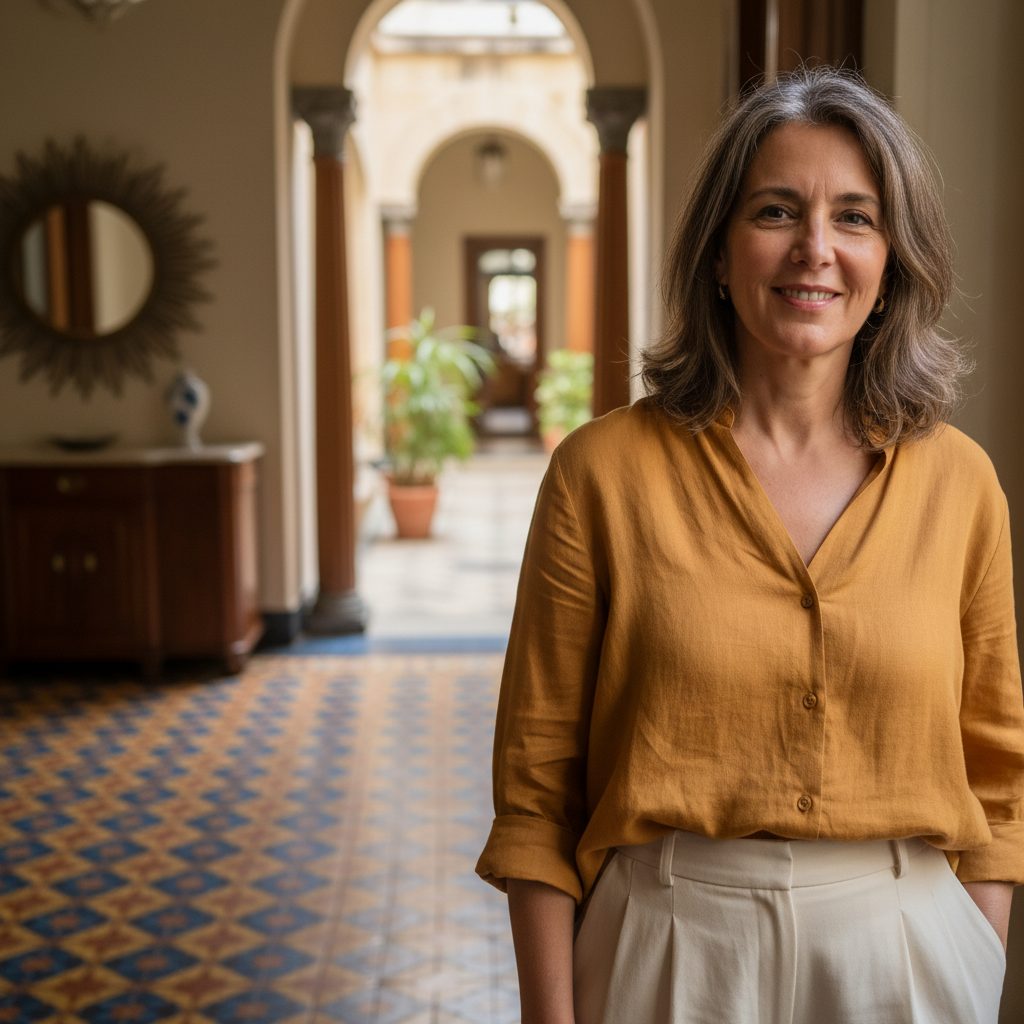
Susan
Susan is the host of Aster House and a founder of Espais Roca, a small collection of heritage homes lovingly restored across Malta, Portugal and the UK. She lives near the villa, welcomes most guests personally, and is on hand by message or phone during every stay.
Read more about Susan and Aster House →