
TL;DR
Malta is mid-priced for Europe, cheaper than France or the UK but no longer a bargain. A mid-range traveller spends roughly EUR 100 to EUR 150 a day. Everyday costs stay gentle: a coffee is about EUR 2, a local beer EUR 2 to EUR 3, a restaurant main EUR 12 to EUR 20. Accommodation and boat trips are where the money really goes.
Planning your stay?
Stays — check availability and book direct.
This guide has a prices-at-a-glance table, real 2026 costs for food, drink and transport, and my own tips for keeping Malta affordable. I am Susan, and I host my villa here in Sliema, so I watch what a trip actually costs.
Insider Tip
Eat where the locals eat, one street back from the seafront. A plate of pastizzi costs under a euro, a ftira sandwich a few euros, and lunch at a village bar is a fraction of a harbour-front restaurant. Do that for lunch and save the sit-down meals for the evening, and your food budget quietly halves.
Is Malta expensive? The honest answer I give my guests is: reasonable, not cheap. Prices have risen with the island’s popularity, and anything on the water or aimed squarely at tourists costs more. But eat and travel like a local and Malta is still gentle on the wallet compared with most of Western Europe.
The two things that push a Malta budget up are accommodation and boat trips, such as a day out to the Blue Lagoon or a harbour cruise. Everyday food, drink and public transport stay affordable. Here is what things actually cost in 2026, and how to keep the total sensible without missing out.
Is Malta expensive? The honest answer

For most visitors Malta feels good value. You can eat well for little, drink local wine and beer for the price of a soft drink elsewhere, and get around on cheap, efficient buses and ferries What you actually pay swings hardest with the season, so it is worth reading the best time to visit Malta before you fix your dates.. Where the bill climbs is the tourist-facing seafront restaurants, the organised boat excursions and, above all, accommodation in peak summer. Spend like a local on food and transport, be a little smart about where you stay, and Malta stays affordable.
Travelling as a family or group?
My villa, Aster House, sleeps up to 9 in central Sliema, so a group shares one home and one great location, with a kitchen to keep costs down. From EUR 229 a night.
See ratesMalta prices at a glance
| Item | Typical price |
|---|---|
| Coffee | EUR 1.50 to 2.50 |
| Local beer (Cisk) | EUR 2 to 3 |
| Pastizzi (traditional snack) | Under EUR 1 |
| Restaurant main course | EUR 12 to 20 |
| Dinner for two with wine | EUR 50 to 70 |
| Single bus ticket | EUR 2 (summer) |
| Sliema to Valletta ferry | About EUR 1.50 each way |
| Taxi, airport to Sliema | EUR 25 to 35 |
| Day trip to the Blue Lagoon (boat) | EUR 35 to 50 |
Is Malta expensive for food and drink?
Eating out in Malta is good value if you step away from the harbour fronts. A casual main course runs EUR 12 to 20, and a mid-range dinner for two with wine is around EUR 50 to 70. Traditional food is cheaper still: pastizzi, the flaky pastries filled with ricotta or peas, cost well under a euro, and a ftira sandwich makes a filling lunch for a few euros. Drinks are affordable too. A local Cisk beer is EUR 2 to 3, a glass of Maltese wine similar, and a coffee about EUR 2.
Where the bill climbs is the tourist-facing seafront restaurants and cocktail bars in St Julian’s, so a block or two inland always costs less for the same or better food. Self-catering saves the most: with a proper kitchen, like the one in my villa, you can shop at a local grocer and cook breakfasts and the odd dinner, which trims the food budget nicely over a week.
“Serene, comfortable and roomy. The location was very convenient and the property beautifully presented. Perfect place for our family reunion, with lots of room for socialising and very serene to come back to after a hot and busy day in Malta.”
Transport costs in Malta
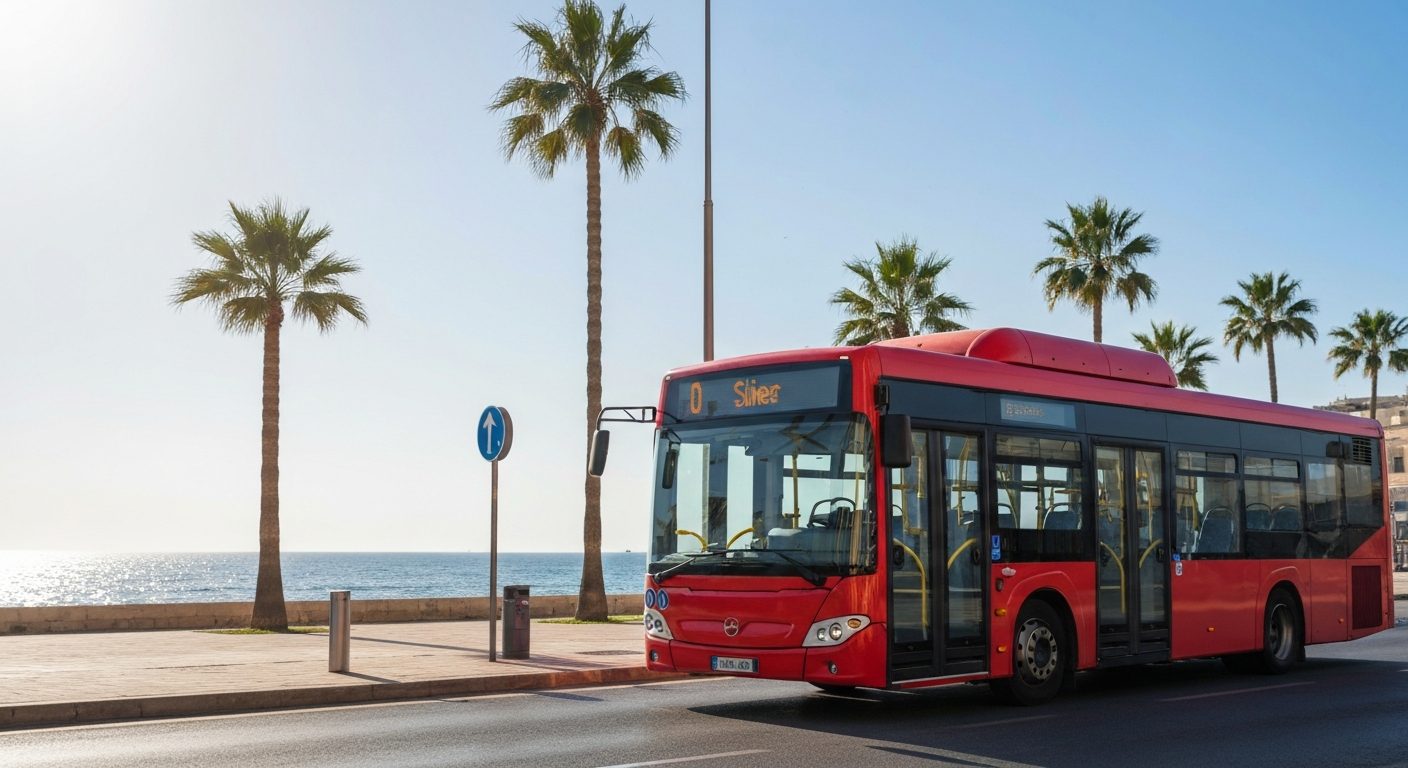
Public transport is cheap. A single bus ticket is about EUR 2 in summer and less in winter, and the buses reach almost everywhere on the island. The Sliema to Valletta ferry is around EUR 1.50 each way and far quicker than the bus. An airport taxi to Sliema or St Julian’s is a fixed EUR 25 to 35, and ride-hailing apps are often a little cheaper. Hiring a car is inexpensive, but parking is genuinely difficult in the central towns, so many of my guests skip it entirely and rely on buses, ferries and walking. Base yourself centrally and you will barely spend a thing on transport.
Accommodation costs
Accommodation is the biggest line in a Malta budget. Expect a hostel bed from around EUR 25, a mid-range central hotel room from EUR 90 to 160, and higher in peak summer. For families and groups, a whole villa often works out better value than several hotel rooms, with a kitchen that trims the food bill too. Where you base yourself also shapes cost and convenience, so it is worth reading my guide on where to stay in Malta before you book. Travelling with children? My Malta with kids family guide covers costs and practicalities in more detail.
Attractions, boat trips and day trips
Sightseeing in Malta ranges from free to moderate. Walking Valletta and the old towns costs nothing, and many of the best experiences, the harbour views, the seafront, the churches, are free. Paid attractions are reasonable: entry to the main sights is usually a few euros to around EUR 15. The bigger spends are the boat trips. A day excursion to the Blue Lagoon on Comino runs EUR 35 to 50, and a Gozo day trip with the ferry and a hop-on bus is similar. Booking these directly rather than through a hotel desk usually saves a little.
How to visit Malta on a budget
- Eat lunch at village bars and pastizzerias, not seafront restaurants.
- Use the buses and the Sliema to Valletta ferry instead of taxis.
- Base yourself centrally so you walk more and travel less.
- Self-cater breakfast and the odd dinner with a kitchen.
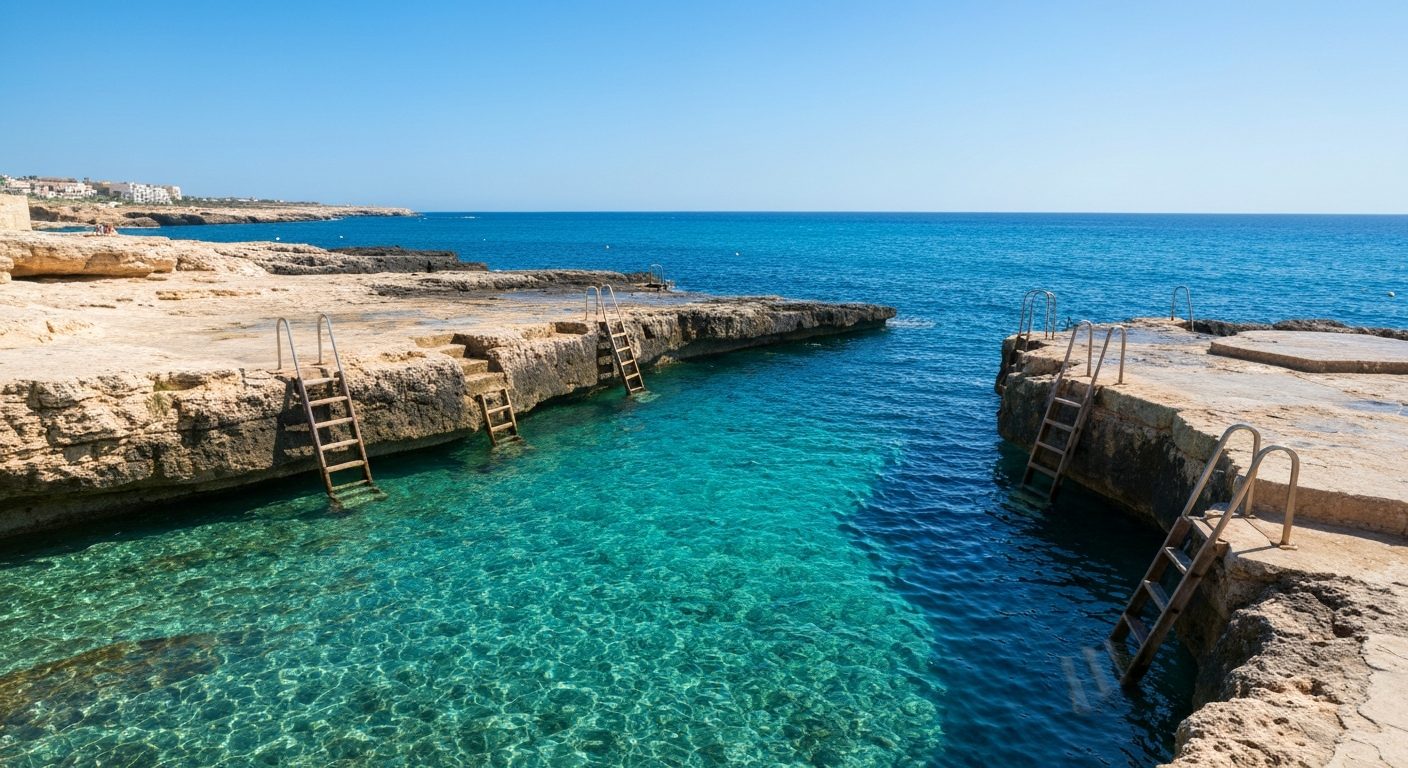
- Swim at the free rocky lidos rather than paying for beach clubs.
- Share a villa as a group to cut the per-person accommodation cost.
- Visit in spring or autumn, when rooms are cheaper than high summer.
A look inside Aster House



Better value in the heart of Sliema
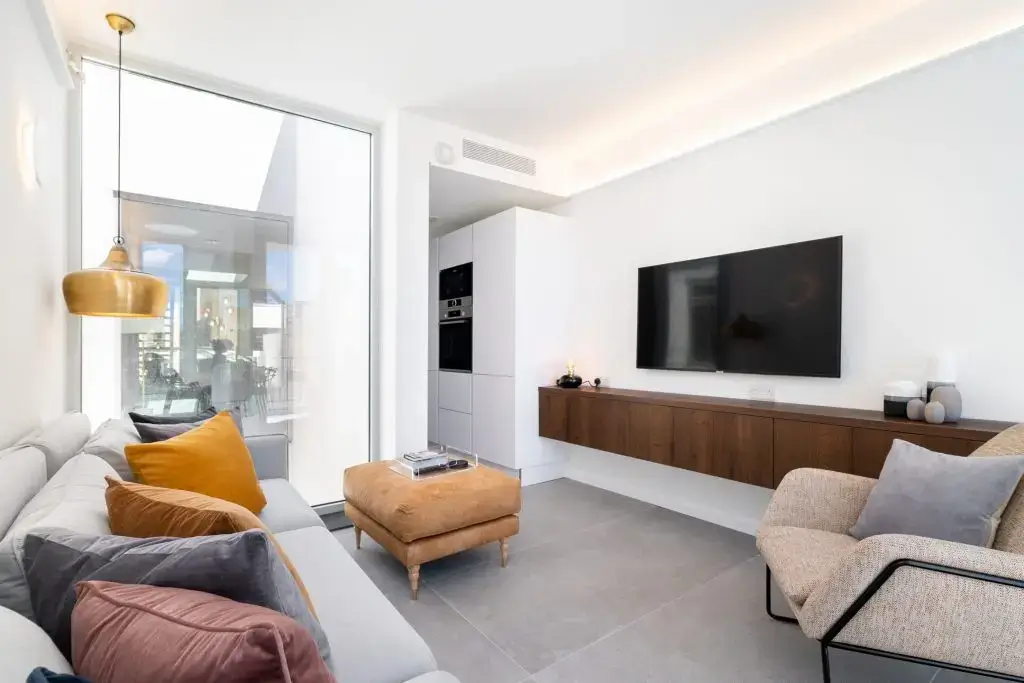
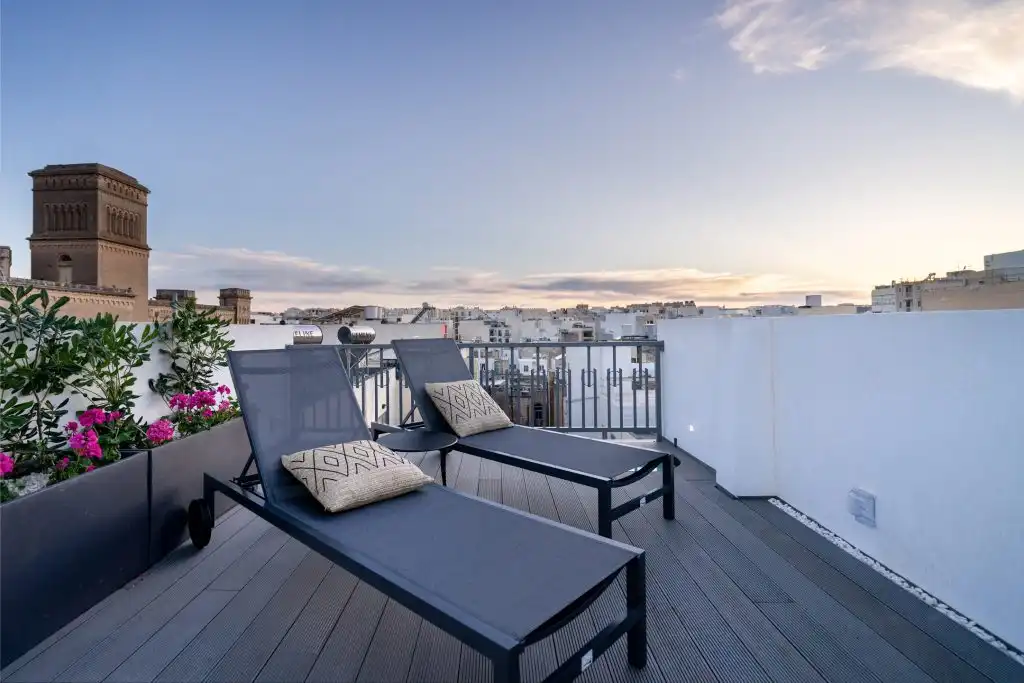
Aster House sleeps up to 9 across three ensuite bedrooms, 150 metres from the sea, with a full kitchen to keep the food budget down and a walk-everywhere location that keeps transport near zero. From EUR 229 a night, booked direct with me.
See rates and bookPlanning a Stay in Sliema?
Sharing a villa is the biggest single saving on a Malta trip: a proper kitchen, and one nightly rate split between up to nine people.
Aster House, Sliema · Where to stay in Malta · See live rates