
At A Glance
Planning your stay?
Stays — check availability and book direct.
St Paul’s Bay is a good place to stay in Malta if you want a package-holiday resort with cheap food and a sandy beach, and the wrong choice if you want to reach Valletta easily or eat where locals eat.
- The locality covers three joined-up areas: St Paul’s Bay itself, Bugibba and Qawra.
- It is roughly 30 to 40 minutes from Malta International Airport by taxi.
- Bugibba has a man-made sandy beach; most of the rest of the shoreline is flat rock.
- Valletta is around 45 minutes to an hour away by bus, with no direct ferry.
- Sliema sits 5 minutes from Valletta by ferry, which is the main trade-off between the two bases.
St Paul’s Bay comes up constantly when people are choosing where to base themselves in Malta, usually because a package site has quoted an attractive price and the photographs look sunny. It is a fair question and it deserves a straight answer rather than a sales pitch. I host guests in Sliema, so I have an obvious interest here, but I would rather tell you honestly who St Paul’s Bay suits than talk you out of somewhere that might genuinely fit your trip. If you are weighing up areas more broadly, my guide to where to stay in Malta compares all the main options side by side.
The short answer is that St Paul’s Bay works well for a certain kind of holiday and works badly for another. It is cheaper than the Sliema and St Julian’s side of the island, it has the sandy beach that central Malta lacks, and it is close to the northern boat trips. What it does not have is a fast link to the capital, and that single fact reshapes an entire week if sightseeing is your priority. Everything below covers the geography, the beaches, the transport times, an honest comparison against Sliema, and the specific kinds of traveller I would send there.
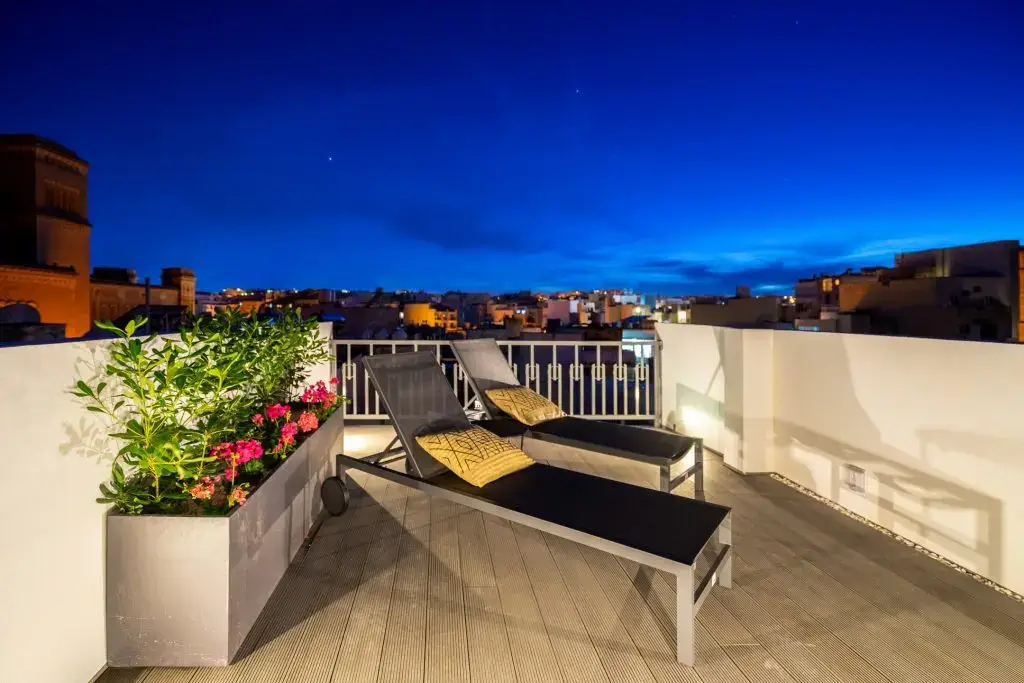
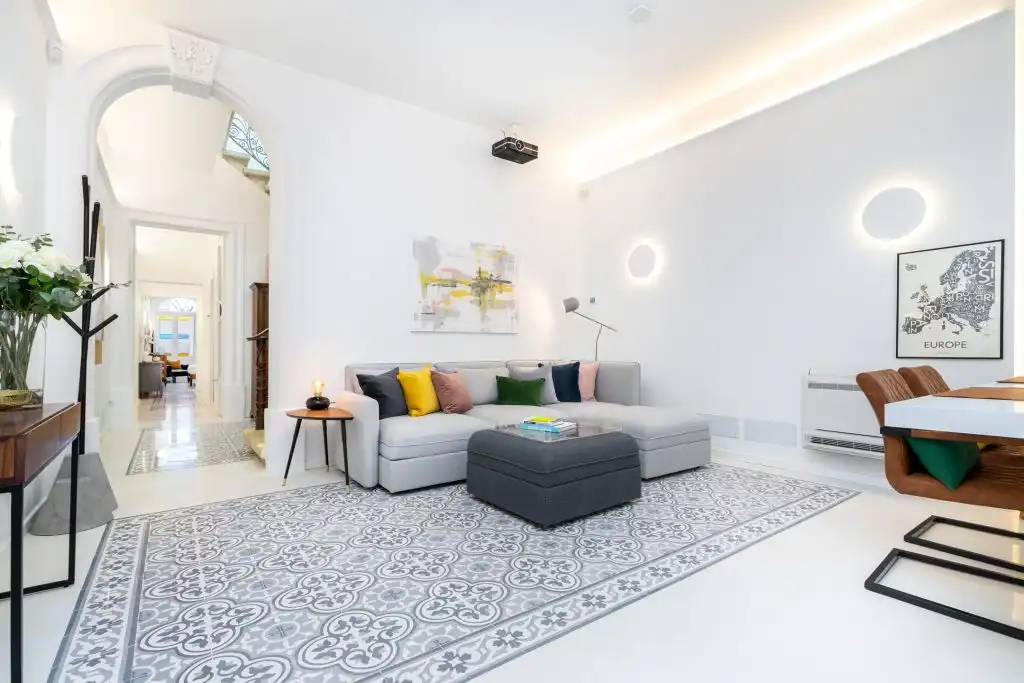
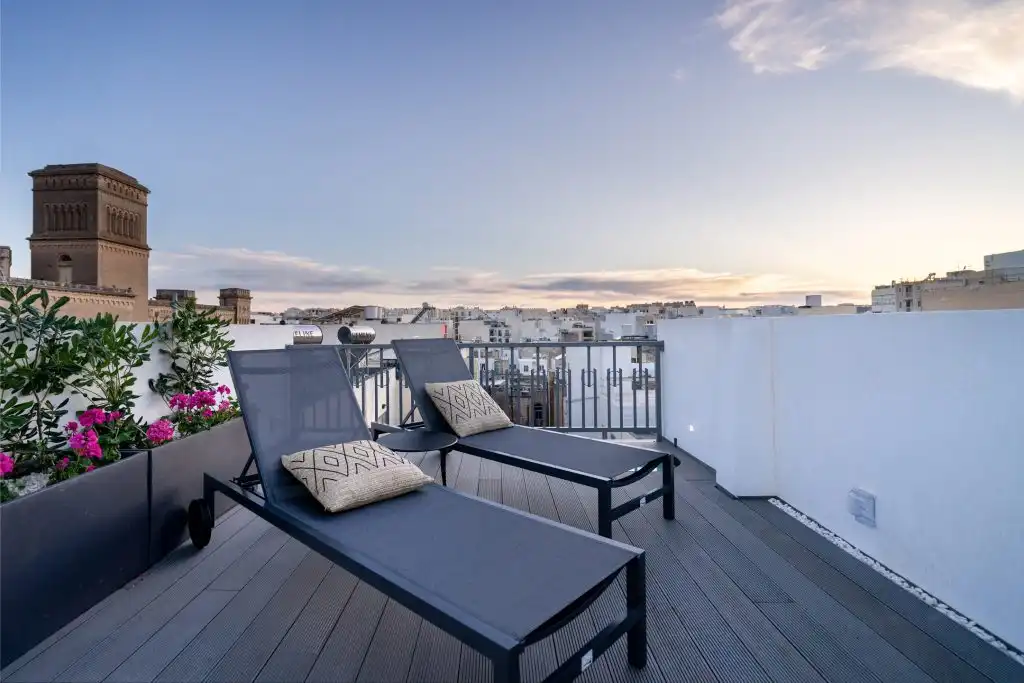
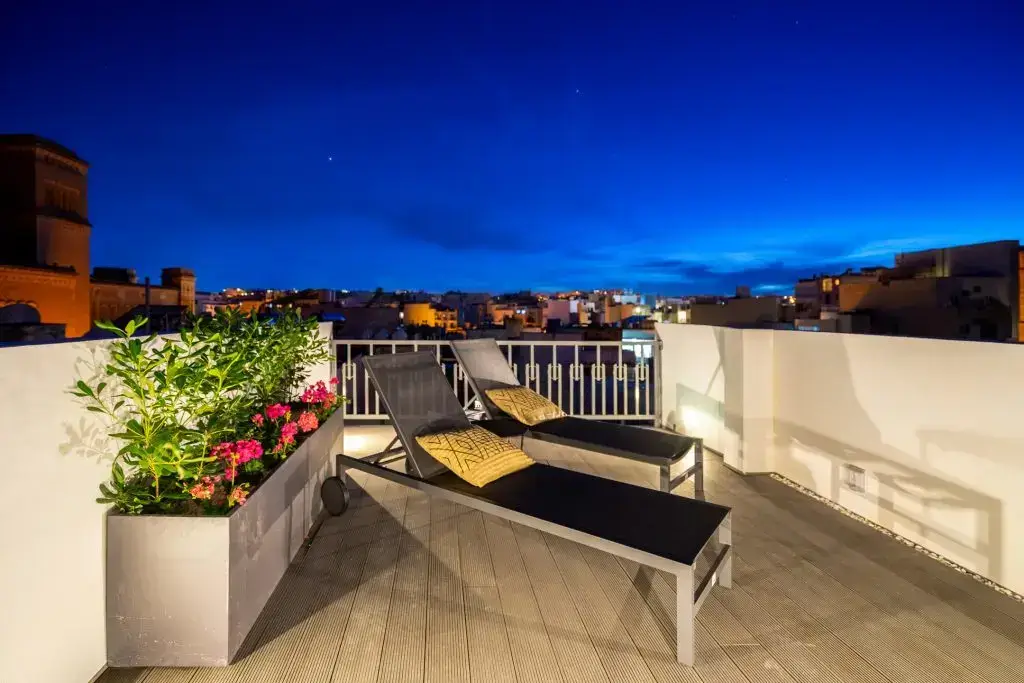
Comparing areas? Aster House is in central Sliema, 150 metres from the sea and five minutes from the Valletta ferry. Sleeps up to nine.
Is St Paul’s Bay a good place to stay in Malta?

Yes, for beach holidays, families on a budget and anyone who wants a resort with everything within walking distance. The seafront runs for a long way, there are hundreds of restaurants and bars at prices well below the Sliema and St Julian’s strip, and Bugibba’s man-made beach gives you sand rather than the flat rock you get further south. For a week of sun, swimming and easy evenings, it does the job at a lower cost than almost anywhere else on the island.
No, if your Malta trip is mainly about seeing the place. The capital is a long bus ride away rather than a short hop, and Valletta is somewhere most first-time visitors end up going three or four times rather than once. Doing that from St Paul’s Bay eats a significant part of each day. The area is also heavily developed and much of it was built quickly for package tourism, so anyone hoping for old streets and Maltese character will find it in short supply.
The honest summary is that St Paul’s Bay is a resort rather than a town you explore. That is a description rather than a criticism, and plenty of people want exactly that. The mistake I see is travellers booking there because it looked cheap, then spending the week on buses trying to reach the things they actually came to see.
Stay Here If
- A sandy beach within walking distance matters more than anything else
- You are travelling on a budget and eating out most nights
- You want boat trips to Comino and Gozo without a long transfer first
- You are happy to spend most of the week in one place rather than touring
- You are travelling with young children who will not sit through long bus journeys
Where is St Paul’s Bay, and how do Bugibba and Qawra fit in?


This is the part that confuses people booking online. St Paul’s Bay is the name of both a bay and a local council area on Malta’s north coast, and within that area sit three places that have grown into each other: the old village of St Paul’s Bay itself, Bugibba to the east, and Qawra on the headland beyond it. Walk along the promenade and you pass from one to the next without any obvious boundary.
In practice the distinction matters for what you get. St Paul’s Bay proper is the oldest and quietest of the three, with the remains of a working village behind the seafront. Bugibba is the busiest, with the main square, the concentration of bars and restaurants, and the sandy beach. Qawra wraps around the point and is a little calmer, with big hotels along the water and the National Aquarium at its edge. If a listing says St Paul’s Bay, check which of the three it actually sits in, because the character changes noticeably.
The bay takes its name from the tradition that the apostle Paul was shipwrecked here in the first century, and the small islands at the mouth of the bay carry the same name. Along the shore near Qawra you can still see the Roman salt pans cut into the flat rock, and the seventeenth-century Qawra Tower stands on the point. Those two things aside, most of what you see was built in the last sixty years.
St Paul’s Bay vs Sliema: which base suits your trip?
This is the comparison most people are actually making, so it is worth setting out plainly. I have an interest in the answer, so I have kept the table to facts rather than opinions and left the verdict to the paragraph underneath.
| St Paul’s Bay, Bugibba & Qawra | Sliema | |
|---|---|---|
| Getting to Valletta | Bus, roughly 45 to 60 minutes | Ferry, 5 to 7 minutes |
| Sandy beach | Yes, man-made at Bugibba | No, flat rock and ladders |
| Eating out | Cheaper, resort-focused | Higher density, higher prices on the seafront |
| Character | Mostly modern resort development | Residential town with a long promenade |
| Boat trips north | Departures on the doorstep | Seasonal boats, or bus to Cirkewwa |
| Airport transfer | Around 30 to 40 minutes | Around 20 to 30 minutes |
| Best for | Beach weeks and budget stays | Sightseeing and walkable evenings |
The line that decides it for most people is the first one. If you plan to visit Valletta more than once, and almost every first-time visitor does, a five minute ferry is a different holiday from a fifty minute bus. If you plan to spend the week on a sunbed with occasional trips out, that row barely matters and the cheaper food and the sand will serve you better.
My honest position, stated openly as someone who hosts in Sliema: if your trip is beach-led, St Paul’s Bay is a reasonable choice and I would not try to argue you out of it. If your trip is sightseeing-led, base yourself closer to the harbour and come north for a day. Guests who have done it the other way round almost always tell me the same thing, which is that the travelling wore them down by about day four.
Things to do in St Paul’s Bay, Bugibba and Qawra
1. The Bugibba to Qawra promenade
A long, flat coastal walk that runs from Bugibba square around the Qawra headland, with the sea on one side and cafes and hotels on the other. It is the spine of the whole area and the thing residents and visitors use most, particularly in the early evening when the heat drops.
Walk it at either end of the day rather than the middle, because there is very little shade along the way. The Qawra end is the quieter half and gives you the better views back across the bay, so if you only have an hour, start at the point and walk toward Bugibba rather than the other way.
2. Bugibba perched beach
A man-made sandy beach beside the square, created because this stretch of coast is naturally rock. It is small and it gets crowded in July and August, but it solves the single biggest problem families have with central Malta, which is the shortage of sand.
For toddlers and small children it is genuinely useful, with shallow entry and facilities close by. Older children and adults who want a proper beach day will still be better off on the bus to Golden Bay or Ghajn Tuffieha, both of which are a short ride from here and considerably more impressive.
3. The Malta National Aquarium at Qawra
Sitting on the water at the Qawra end, the aquarium is the area’s main paid indoor attraction and the obvious answer to a wet or windy day. It covers Maltese and Mediterranean marine life along with wider tropical displays.
It is aimed at families and takes a comfortable couple of hours, which makes it a sensible mid-afternoon stop in high summer when being outside is unpleasant. Check opening times before you set out in the low season, as hours shorten outside the summer months.
4. Qawra Tower and the Roman salt pans
The seventeenth-century watchtower on the point at Ras il-Qawra is one of the chain of coastal towers the Knights built around the island, and it is the most genuinely historic thing in the immediate area. Beside it, cut into the flat shoreline rock, are the old salt pans that give this stretch its character at low light.
Go at either sunrise or sunset, when the water sits in the pans and reflects the sky. This is the one part of St Paul’s Bay that photographers travel for, and it costs nothing. It is also a pleasant, level twenty minute walk from most of the Qawra hotels.
5. Boat trips to Comino, Gozo and the caves
One of the genuine advantages of basing yourself here is that the northern boat trips leave from close by. Day cruises run out to Comino and the Blue Lagoon, around Gozo, and along the caves on the north coast, and you are not spending an hour getting to the departure point first.
Book the earliest departure you can. The Blue Lagoon is at its worst between eleven and three when every boat on the island converges, and leaving from the north gives you a real chance of arriving before that. This is one thing St Paul’s Bay does better than Sliema.
6. Diving and snorkelling off the rocks
The flat rock shoreline around Qawra and the islands at the mouth of the bay make this a long-standing base for diving schools, and there is straightforward snorkelling directly off the rocks in calm weather. Visibility here is generally very good.
If you are new to it, the schools along the front run introductory dives, and the sheltered sections of the bay are forgiving. Check the wind before committing, since the north coast is exposed and a strong Majjistral flattens the diving plans for a day or two at a time.


Beaches near St Paul’s Bay
The sand at Bugibba is the only real beach inside the resort itself, and it is small. What St Paul’s Bay does have is proximity to the best sandy bays on the island, all of them on the same northern stretch of coast and reachable in well under half an hour.
Golden Bay is the largest and the easiest to reach by bus, with facilities and lifeguards in season. Ghajn Tuffieha, just over the headland, is quieter and requires a flight of steps down, which keeps the numbers lower and the setting better. Mellieha Bay, north again, is the longest stretch of sand in Malta and the shallowest, which makes it the standard choice for families with small children. My guide to the best beaches in Malta covers all of them in detail.
Closer in, most of the swimming around Qawra is off flat rock with ladders, which is how Maltese residents swim almost everywhere. It is perfectly comfortable once you are used to it, and the water is generally clearer than at the sandy bays because nothing is being stirred up off the bottom.
Getting to St Paul’s Bay from Malta airport and Valletta
From Malta International Airport, a taxi to St Paul’s Bay, Bugibba or Qawra takes roughly thirty to forty minutes depending on traffic and which end of the resort you are staying in. The airport sits south of Valletta and the resort is on the north coast, so you cross most of the island. Pre-booked transfers and the airport taxi desk both operate fixed fares by zone, which is worth using rather than negotiating on arrival.
By bus, the journey to Valletta takes roughly forty five minutes to an hour, and there is no ferry shortcut of the kind Sliema has. Services are frequent and cheap, and a Tallinja card is worth buying if you intend to use them daily. Allow more time than the timetable suggests in July and August, when the roads north are slow.
| From St Paul’s Bay to | How | Rough journey time |
|---|---|---|
| Malta International Airport | Taxi or transfer | 30 to 40 minutes |
| Valletta | Bus | 45 to 60 minutes |
| Mellieha Bay | Bus | About 15 minutes |
| Golden Bay and Ghajn Tuffieha | Bus | About 20 minutes |
| Cirkewwa, for the Gozo ferry | Bus | About 20 minutes |
| Sliema and St Julian’s | Bus | About 45 minutes |
Check Before You Book
- Which of the three areas the property actually sits in, since the character differs
- How far it really is from Bugibba square if you want the restaurants on foot
- Whether the room faces the square, which matters for noise in July and August
- Whether a pool is shared with several blocks, common in the larger apartment complexes
- How many times you realistically expect to travel into Valletta during the week
Is St Paul’s Bay a party place?
Not in the way Paceville is. Bugibba square and the streets around it have plenty of bars, live music and late openings, and in high summer it is lively into the early hours. What it does not have is the concentration of clubs and the very late scene you get in Paceville, next to St Julian’s, which is where Malta’s actual nightlife is.
The practical read is that St Paul’s Bay is loud rather than clubby. Expect busy bars, sports screens and karaoke rather than DJs until dawn. That suits a lot of people perfectly well and it means families are not kept awake in the way they might be closer to Paceville, though a room overlooking Bugibba square in August is still not a quiet room. If nightlife is the point of the trip, my Malta nightlife guide sets out where the different scenes actually are.
Is St Paul’s Bay good for families?
For families with young children it is one of the more practical bases on the island. You get sand, shallow water, short walks, food that children will eat without complaint, and the aquarium for a hot afternoon. Nothing requires a long journey, and that matters enormously when you are travelling with a four year old.
For families with teenagers, or for multi-generational groups where the adults want to see Valletta and Mdina, the calculation shifts. Those trips involve a lot more travelling from here, and the appeal of the resort itself wears thin faster for older children. Groups in that position generally do better nearer the harbour, where a family villa in Sliema puts the ferry, the promenade and the restaurants inside a short walk.
One further point that comes up often with larger parties: the accommodation stock here is overwhelmingly hotels and apartments rather than whole houses. If you are travelling as a group of eight or nine and want to be under one roof with a kitchen and shared living space, the north coast has relatively little to offer and the better options sit further south.

A Note From Susan
“I will happily send people to St Paul’s Bay if they want a beach week, and I say so to guests who ask. The question I always put back to them is how many times they expect to go into Valletta. If the answer is once, stay wherever is cheapest. If the answer is three or four times, the ferry is worth more than the saving.”
More to Explore
 Verified Guest Review
“An absolutely stunning property! Better than the photos, it had everything we needed. Furnished beautifully, the beds among the most comfortable I have stayed in. Just a short walk to restaurants, shops and the sea. Could not recommend it highly enough!”
Lee · 10/10
See All Google ReviewsFrequently Asked Questions
Is St Paul’s Bay a Good Place to Stay in Malta?
Is St Paul’s Bay Worth Visiting?
Is St Paul’s Bay a Party Place?
How Long Is the Transfer from Malta Airport to St Paul’s Bay?
What Is the Difference Between St Paul’s Bay, Bugibba and Qawra?
Does St Paul’s Bay Have a Sandy Beach?
How Do You Get from St Paul’s Bay to Valletta?
Is St Paul’s Bay Good for Families?
Is St Paul’s Bay or Sliema Better?
Your Base in Malta
Five minutes from the Valletta ferry
Aster House sleeps up to nine in central Sliema, 150 metres from the sea, with three super king ensuites, a kitchen built for a group and a rooftop terrace.
Check availabilityPhotographs of St Paul’s Bay and Qawra via Wikimedia Commons: Txllxt TxllxT (CC BY-SA 4.0) and Frank Vincentz (CC BY-SA 3.0). Journey times are approximate and vary with traffic and season.