Malta is a beautiful Mediterranean destination famous for its history, beaches, and vibrant culture, and the good news for travelers is that it is generally affordable, though costs can vary depending on your travel style. While luxury resorts, fine dining, and private tours can get pricey, there are plenty of budget-friendly options for accommodation, food, and activities, making Malta accessible for most travelers. If you’re wondering what to do while keeping costs in check, check out our guide on top attractions and activities in Malta for inspiration.
The cost of traveling in Malta depends on factors such as season, type of lodging, dining preferences, and activities. From staying in hostels or mid-range hotels to eating at local cafés and exploring free attractions, visitors can manage their expenses effectively. On the other hand, if you opt for luxury villas, fine dining, or private boat trips, the costs can add up quickly.
In this guide, we’ll break down the main expenses you can expect during a Malta trip, including accommodation, transport, food, attractions, and entertainment, along with practical tips for travelers looking to stretch their budget. With this information, you can plan your visit confidently, whether you’re seeking a budget-friendly adventure or a luxurious getaway.
Malta Travel Costs Explained: Budget, Mid-Range & Luxury Expenses for Visitors

Malta is a moderately priced European destination, offering a range of options to suit different budgets. Compared to popular Western European countries, costs in Malta tend to be more affordable, making it an attractive choice for solo travelers, couples, and families alike. That said, the exact amount you spend will depend on your travel style, accommodation choices, dining preferences, and activities.
Seasonal Variation:
- Peak summer (June to August): Expect higher prices for hotels, flights, and tours due to increased tourist demand.
- Off-season (October to April): Many accommodations and attractions offer discounts, and flights are often cheaper. This period is ideal for budget-conscious travelers or those seeking a quieter experience.
Island Differences:
- Malta (main island): Offers a wide range of accommodations and attractions, from bustling Valletta to quieter coastal towns like Sliema.
- Gozo: Slightly more relaxed and rural, with smaller towns and scenic landscapes. Costs for food and lodging can be slightly lower than on Malta.
- Comino: Mainly visited for day trips to the Blue Lagoon; limited accommodations and dining options make it less flexible for extended stays.
City vs. Rural Areas:
- Staying in Valletta, Sliema, or St. Julian’s provides easy access to restaurants, nightlife, and tours, but expect slightly higher prices.
- Rural or coastal towns such as Mellieħa, Marsaxlokk, or Dingli offer a more laid-back experience at lower costs, with charming local eateries and fewer crowds.
Traveler Budget Examples:
- Budget travelers: Can expect to spend €40–€70 per day with hostel stays, local eateries, public transport, and free or low-cost attractions.
- Mid-range travelers: Around €100–€200 per day, staying in boutique hotels or private apartments, dining at mid-range restaurants, and enjoying paid tours and activities.
- Luxury travelers: €250+ per day, enjoying luxury resorts or villas, fine dining, private excursions, and personalized services.
For those planning their Malta trip, understanding costs helps ensure a smooth and enjoyable experience. Additionally, knowing local customs and communication practices can make your stay easier, so it’s worth exploring guides on what language is spoken in Malta before you go.
Accommodation Costs in Malta: Luxury Villas, Boutique Hotels & Budget Stays
When planning a trip to Malta, understanding accommodation costs can help you choose the best option for your budget and preferences. Malta offers a wide range of stays, from luxury villas and boutique hotels to budget-friendly hostels and guesthouses, ensuring every traveler finds the perfect base.
Luxury Villas & Hotels (€200–€700+ per night)

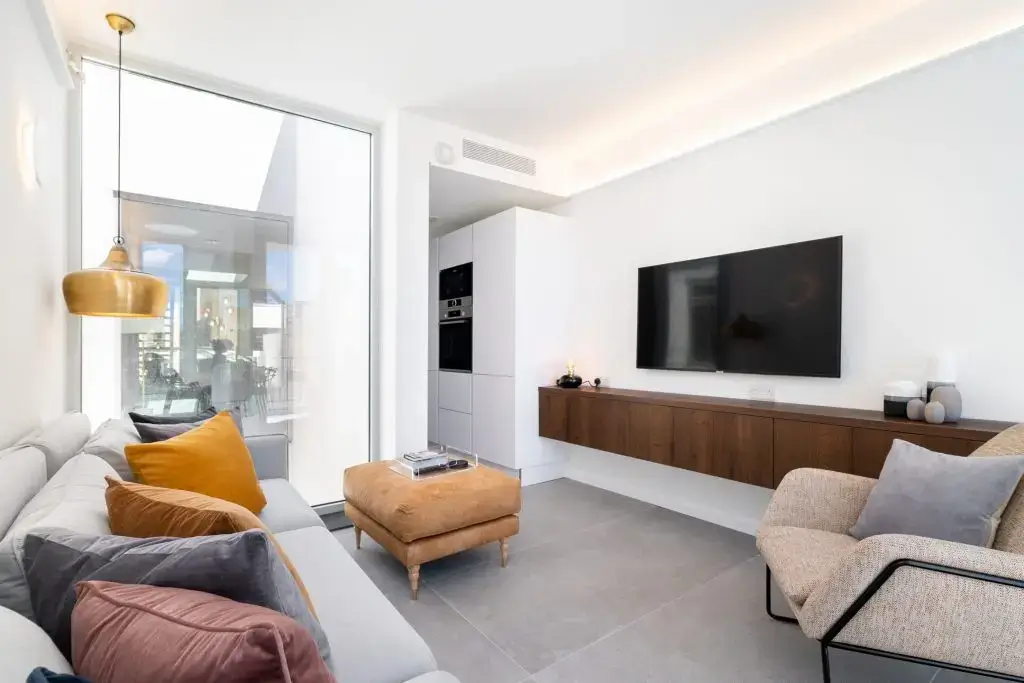
For travelers seeking comfort, style, and privacy, Malta’s luxury villas and high-end hotels are ideal. Among the standout options is Aster House in Sliema, a 240 m² Art-Deco villa that sleeps up to 9 guests. This elegant villa offers:
- A 10-metre folding glass wall for seamless indoor–outdoor living.
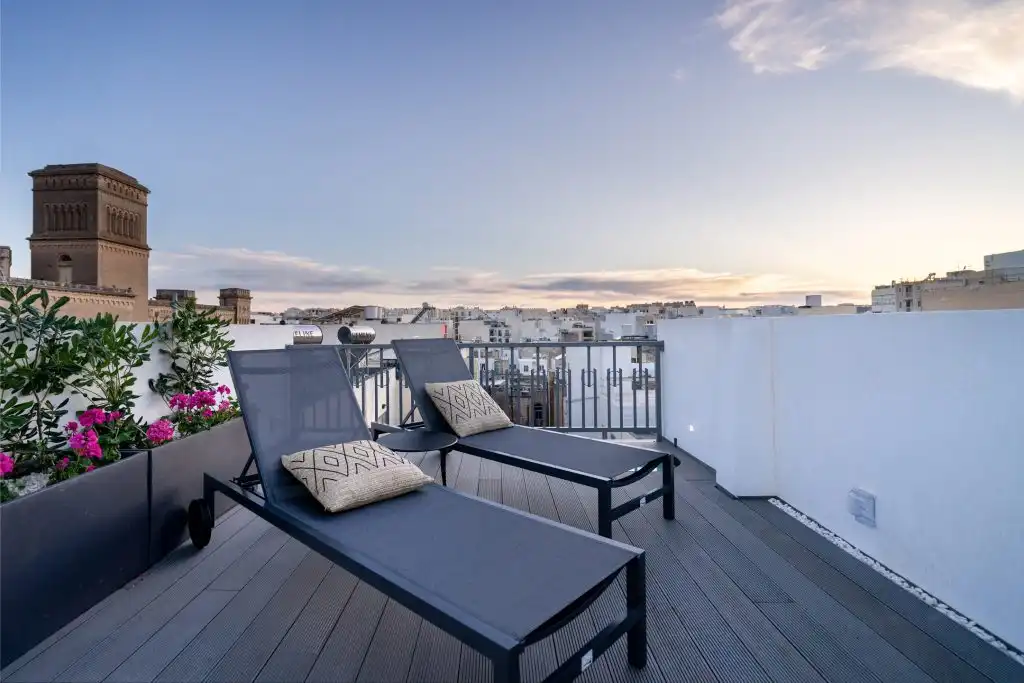
- Rooftop chill-out zone, BBQ terrace, and private master suite garden.
- Family-friendly extras include a baby cot, high chair, kids’ games, and beach towels.
- Media room with Netflix, Xbox, and a projector for entertainment.
Luxury stays often include value-added perks such as private pools, rooftop terraces, premium bedding, eco-friendly climate control, and convenient proximity to Sliema promenade, shops, cafés, and the Valletta ferry. Booking in advance is recommended, especially during the summer months, to secure the best rates.
Website:- Sliemavillamalta
Boutique Hotels & Guesthouses (€100–€200 per night)
For those seeking a balance of comfort and affordability, boutique hotels and guesthouses are ideal. These accommodations provide:
- Stylish interiors with local Maltese character.
- Central locations near beaches, shopping streets, and cultural attractions.
- Personalized service and amenities such as breakfast, Wi-Fi, and concierge assistance.
Boutique stays are perfect for couples or small groups who want a cozy, authentic Maltese experience without the high cost of a luxury villa.
Budget Hostels / Guesthouses (€30–€80 per night)
Budget travelers can find affordable hostels and guesthouses across Malta. While modest, these options are:
- Conveniently located near transport links and main tourist areas.
- Ideal for solo travelers, backpackers, or students.
- Functional, clean, and great for short stays where sightseeing takes priority over luxury.
Booking Tips
- Book Early: Accommodation prices rise during peak summer months and festival periods.
- Airbnb & Alternative Options: Many villas, apartments, and guesthouses offer flexible booking for families and groups.
- Peak Season Surcharges: Expect higher rates in July and August; off-season travel offers better deals.
Malta’s accommodation diversity ensures that every traveler—from budget backpacker to luxury seeker—can find the perfect base.
Malta Food & Dining Costs: Budget, Mid-Range & Fine Dining Prices Explained

Malta offers a diverse culinary scene that caters to every budget, from quick street bites to elegant fine dining experiences. Eating out is generally affordable compared to other European destinations, though costs vary depending on the type of restaurant, location, and season. Understanding average meal prices and local dining customs can help travelers plan their meals efficiently and enjoy Malta’s rich food culture.
Average Meal Prices:
- Budget (€5–€10):
- Pastizzi (savory pastries) from local bakeries.
- Street food and takeaway snacks.
- Casual cafés offering sandwiches, coffee, and pastries.
- Mid-Range (€15–€30 per person):
- Casual restaurants serving traditional Maltese dishes such as rabbit stew, lampuki pie, or ftira sandwiches.
- Pizza, pasta, and Mediterranean cuisine options.
- A glass of local wine or beer is included in the price range.
- Fine Dining (€50+ per person):
- Gourmet restaurants with contemporary Maltese and international menus.
- Multi-course meals paired with premium wines.
- Ideal for special occasions or luxury travelers.
Drinks, Coffee, and Local Specialties:
- Malta has a strong coffee culture, with locals often enjoying espresso or cappuccino in cafés throughout the day.
- Local wines and beers are widely available and affordable, especially when paired with lunch specials or set menus.
- Fresh seafood is a highlight of Maltese cuisine, particularly in fishing villages like Marsaxlokk.
Tips for Saving on Food:
- Explore local markets for fresh fruits, vegetables, and bakery items.
- Opt for takeaways or casual eateries instead of high-end restaurants every day.
- Take advantage of lunch specials, which often provide a full meal at a lower price.
- Try local street food for an authentic experience without breaking the budget.
Cultural Notes & Dining Etiquette:
- Tipping is not mandatory but appreciated; rounding up the bill or leaving 5–10% is common.
- Meals are often social events, so enjoying food at a leisurely pace is part of the experience.
- Many restaurants are family-friendly, and reservations are recommended during peak tourist seasons.
By planning meals according to your budget and exploring local specialties, you can enjoy the flavors of Malta without overspending, whether you’re savoring a quick pastizzi or indulging in a luxury dinner experience.
Malta Transportation Costs: Public Transport, Ferries, Taxis & Car Hire Explained

Getting around Malta is relatively easy and flexible, with a range of options for all budgets. Whether you prefer public buses, ferries, taxis, or renting a car, understanding the costs will help you plan your trip efficiently and avoid surprises.
Public Transport:
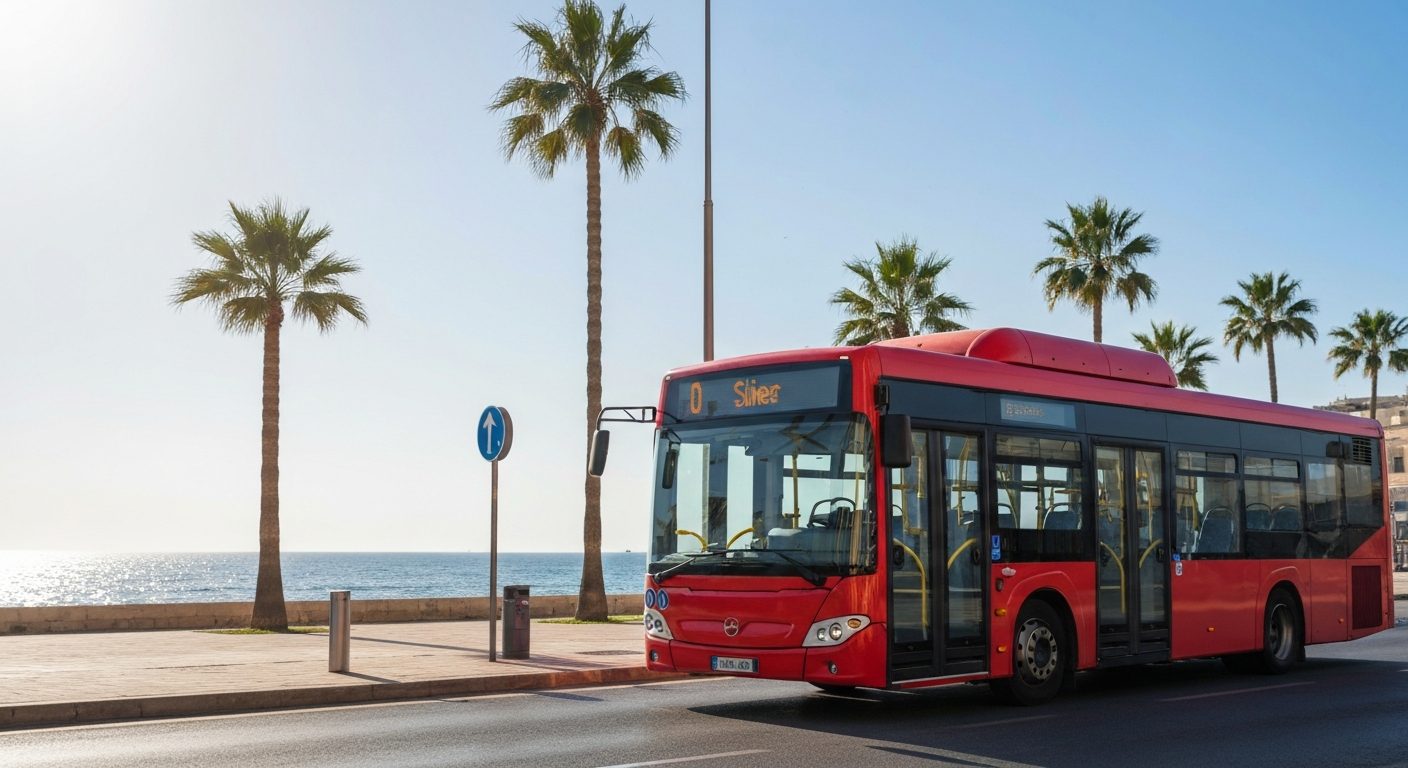
Malta has a reliable bus system that covers most towns, cities, and tourist attractions. For budget-conscious travelers, this is the most cost-effective way to explore the islands.
- Single ride: Approximately €2 per journey.
- Tallinja Card: Ideal for unlimited travel—€21 for a 7-day pass.
- Tips: Buses can get crowded during peak hours, so travel early or late for a more comfortable experience.
Ferries:
Ferries connect the main island with Gozo and Comino, as well as provide scenic coastal trips.
- Valletta to Sliema: Frequent trips, around €1.50–€2 per person.
- Malta to Gozo: Approximately €4.65 per person each way.
- Comino (Blue Lagoon) day trips: Varies by tour provider, usually €10–€15 return.
- Tip: Booking in advance can help secure a spot during high season.
Taxis & Ride-Sharing:
While more expensive than public transport, taxis and ride-sharing apps offer door-to-door convenience, especially for travelers with luggage or late-night travel.
- Typical fares: Around €15–€25 for short city trips, higher for airport transfers.
- Tips: Agree on the fare beforehand if meters are not used, or use ride-sharing apps for transparency.
Car Hire:
Renting a car is a flexible way to explore Malta and Gozo at your own pace.
- Cost: €25–€60 per day, depending on car type and season.
- Additional expenses: Fuel, parking fees, and insurance.
- Tips: Stick to smaller cars for narrow streets, and be aware of local traffic rules.
Cost-Effective Strategies for Transport:
- Combine public buses with ferries for day trips to Gozo or Comino.
- Purchase Tallinja cards for unlimited bus travel if staying multiple days.
- Plan routes ahead to minimize taxi costs.
- Consider car hire only if visiting remote areas or traveling with a group to split costs.
By choosing the right mix of transport options, travelers can navigate Malta efficiently without overspending, whether you’re exploring Valletta’s historic streets, relaxing in Sliema, or taking a day trip to Comino’s Blue Lagoon.
Malta Sightseeing & Activities Costs: Museums, Tours & Free Attractions Explained

Exploring Malta is a rich and rewarding experience, with plenty of options for sightseeing, cultural activities, and outdoor adventures. Costs can vary widely depending on whether you choose paid attractions or enjoy free experiences, so understanding what to expect will help you plan your budget effectively.
Entry Fees for Popular Attractions:
Malta is home to ancient temples, historic cities, and cultural museums, many of which charge entry fees.
- St. John’s Co-Cathedral (Valletta): Around €10 per person.
- Ħal Saflieni Hypogeum: €35–€40 for guided tours, booking required.
- Mdina and Fort Rinella: Entry ranges €5–€15 depending on location.
- Tips: Purchase combination tickets when available to save on multiple sites.
Tours & Guided Excursions:
Guided tours provide context, history, and local insights, but costs can add up.
- Blue Lagoon boat trips (Comino): €10–€20 per person for basic ferries; private tours are higher.
- Gozo day tours: €30–€60 depending on inclusions and transportation.
- Valletta walking tours: Around €15–€25 per person.
- Harbour & Creek Sightseeing: For a relaxing perspective of Malta from the water, consider the Panoramic Cruise around Malta’s Harbours and Creeks. This scenic cruise lets you enjoy Malta’s harbours, creeks, and coastline while learning about the history and landmarks along the way.
- Tips: Book tours directly with operators or local guides to avoid middleman fees.
Free or Low-Cost Activities:
Malta also offers many budget-friendly options for travelers.
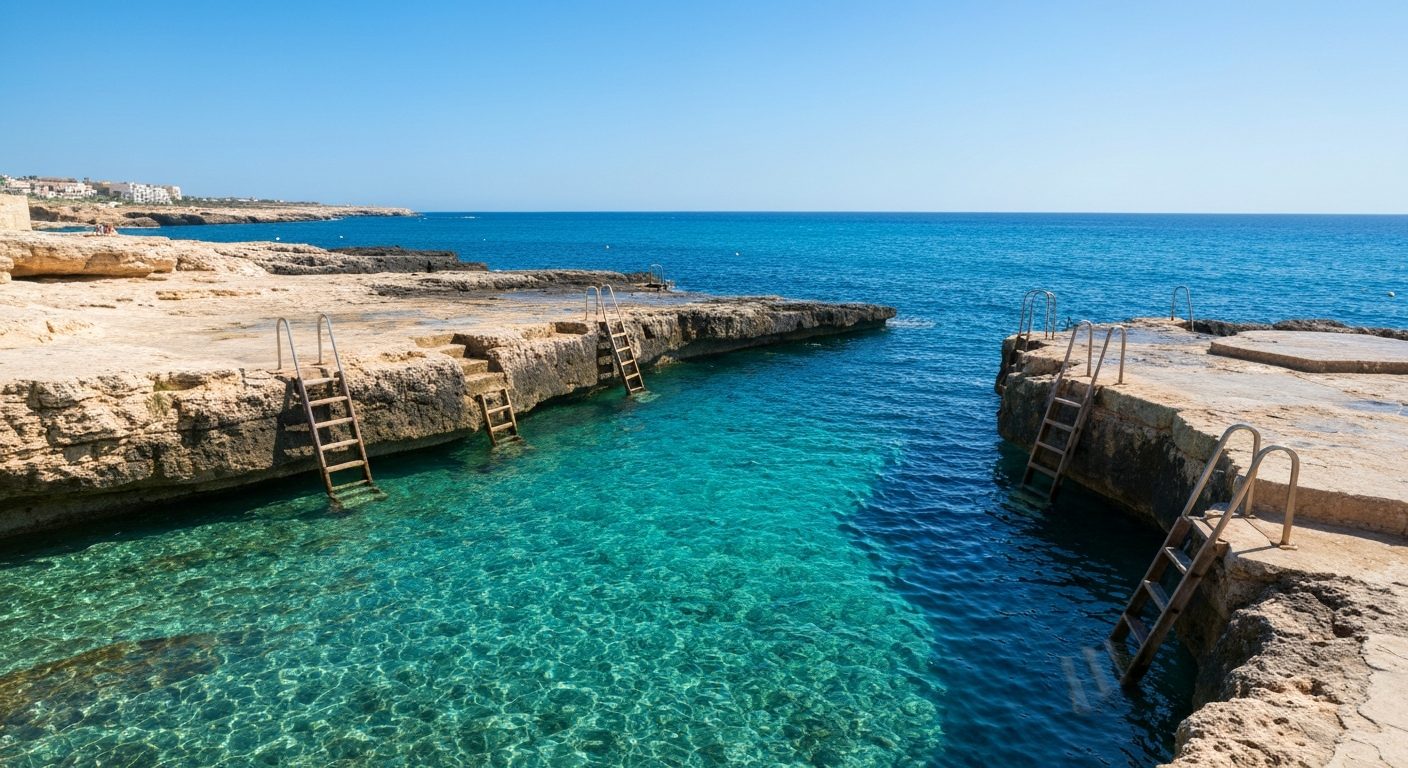
- Beaches: Golden Bay, Mellieħa Bay, and St. Peter’s Pool are free to enjoy.
- Hiking & coastal walks: Dingli Cliffs, Għajn Tuffieħa, and scenic Gozo trails.
- Village exploration: Stroll through Mdina, Marsaxlokk, or Sliema without spending a dime.
- Festivals: Many village festivals and cultural events are free to attend.
Tips for Enjoying Malta Without Overspending:
- Plan a mix of paid and free activities to balance your budget.
- Take advantage of self-guided tours using maps and mobile apps.
- Visit attractions early or late in the day to avoid crowds and sometimes reduced entry fees.
- Explore local markets and public spaces for cultural immersion without cost.
By combining museums, historic sites, and guided tours with free activities like beaches, hiking, and village walks, travelers can fully experience Malta’s beauty and history without breaking the bank.
Malta Travel on a Budget: Cost-Saving Tips for Affordable Accommodation, Food & Activities
Visiting Malta doesn’t have to break the bank. With a few smart strategies, travelers can enjoy the islands’ history, beaches, and culture without overspending. From choosing the right season to exploring free attractions, Malta offers plenty of ways to save.
Travel Off-Season:
- Visiting outside peak summer months (June–August) can drastically reduce accommodation and flight costs.
- Shoulder seasons like April–May and September–October offer pleasant weather, fewer crowds, and lower prices.
Public Transport & Ferry Passes:
- Bus travel is economical, with single rides costing around €2 and weekly Tallinja cards for unlimited trips.
- Ferries to Gozo or Comino are cheaper when booked in advance.
- Combining public transport with walking is an efficient way to see towns without extra costs.
Eat Local:
- Opt for traditional Maltese eateries, street food, and local markets rather than tourist-heavy restaurants.
- Average budget-friendly meals cost €5–€10, while mid-range dining is around €15–€30 per person.
- Try specialties like pastizzi, rabbit stew, or fresh seafood for an authentic experience at lower prices.
Take Advantage of Free Attractions:
- Malta offers countless beaches, hiking trails, and cultural walks that don’t require admission.
- Explore scenic spots like Dingli Cliffs, Golden Bay, and historic villages to enjoy natural and cultural beauty for free.
- Many village festas and public festivals are open to everyone, providing a glimpse into local traditions.
Combine Attractions and Tours:
- Look for package deals or combination tickets to save on entry to multiple attractions.
- Guided tours often offer discounted rates if booked with other activities, helping travelers maximize experiences while staying within budget.
By planning, using public transport, eating like a local, and taking advantage of free and combined attractions, travelers can experience all the charm and adventure Malta has to offer without overspending.