
If you’ve ever wondered, “How big is Malta?”, it’s an important question for travelers. Understanding the country’s size helps you plan your itinerary, manage travel time between attractions, and make the most of your visit. With a total land area of just 316 square kilometers (122 square miles), Malta is smaller than many major cities, yet it offers a diverse mix of landscapes, cultural sites, and leisure opportunities.
Malta’s islands—Malta, Gozo, and Comino—each have their own unique charm, and getting around is relatively easy thanks to a well-connected network of roads, ferries, and public transport. In this guide, we’ll explore Malta’s geography, break down its islands, highlight population centers, and provide practical travel insights to help visitors explore the country efficiently without missing any must-see sights.
For more information on Malta’s travel costs and budgeting tips, check out our detailed guide: Is Malta Expensive? Cost of Travel, Accommodation & Daily Expenses Explained.
Malta at a Glance: Size, Population, Islands & Mediterranean Travel Insights

Malta may be small, but it’s a country full of charm, history, and natural beauty. Covering a total area of just 316 km² (122 square miles), it’s easier to explore than most destinations, yet it offers an incredibly rich travel experience. To put it in perspective, Malta is roughly half the size of Paris or slightly larger than Washington, D.C., making it one of the most compact countries in Europe.
With a population of around 520,000 people, Malta is densely populated, yet its cities, towns, and villages are brimming with character. The capital, Valletta, is a UNESCO World Heritage site, renowned for its baroque architecture, historic fortifications, and vibrant streets. Visitors can wander through narrow alleys, explore museums, and enjoy cafes, all within walking distance of major attractions.
Malta’s archipelago consists of three main islands: Malta, Gozo, and Comino, along with smaller uninhabited islands that dot the Mediterranean waters. Each island has its own distinct personality:
- Malta: The largest island and the main hub for business, tourism, and transport. Home to Valletta, Sliema, and St. Julian’s.
- Gozo: Quieter and more rural, known for scenic villages, historic sites, and beautiful beaches like Ramla Bay.
- Comino: Tiny and peaceful, famous for the Blue Lagoon and crystal-clear waters, perfect for swimming and snorkeling.
Strategically positioned in the central Mediterranean, Malta lies between Sicily and North Africa, giving it historical significance as a crossroads of civilizations. This prime location contributed to its rich heritage, blending Arab, European, and British influences over centuries.
The Maltese climate is another reason travelers flock here year-round. Summers are hot and sunny, ideal for beach activities and outdoor sightseeing, while winters are mild and pleasant, perfect for exploring cultural landmarks without the crowds. This combination of compact size, strategic location, and favorable weather makes Malta a convenient and attractive destination for all types of travelers.
Understanding Malta’s Geography: Islands, Cities, Coastlines & Travel Insights

Malta, despite its small size, is a remarkably diverse destination. Travelers are often surprised by how much variety is packed into just 316 km². From rocky coastlines and terraced hills to bustling cities and tranquil villages, Malta’s geography offers something for everyone. Knowing the layout of the islands helps visitors plan trips efficiently and ensures they make the most of their stay.
Malta’s Main Islands & Terrain
- Malta Island: The largest island features rugged coastlines, limestone cliffs, and urban hubs like Valletta, Sliema, and St. Julian’s. The Dingli Cliffs offer breathtaking views over the Mediterranean and the highest elevation on the island.
- Gozo: A quieter, rural island with rolling hills, fertile valleys, and scenic beaches like Ramla Bay. Victoria, the capital, sits atop a hill providing panoramic views.
- Comino: Famous for the Blue Lagoon, Comino is mostly rocky and largely uninhabited, making it a serene spot for swimming and snorkeling. Famous for the Blue Lagoon, Comino is mostly rocky and largely uninhabited, making it a serene spot for swimming and snorkeling. For travelers wanting a full adventure across Malta’s islands, consider the Malta: Gozo & Comino Islands, Blue Lagoon & Seacaves Tour, which lets you explore Gozo, Comino, and the famous Blue Lagoon with ease.
Smaller islets such as Cominotto, Filfla, and St. Paul’s Islands are mostly uninhabited but are perfect for nature enthusiasts and photographers.
Key Cities & Towns
- Valletta: Malta’s capital and a UNESCO World Heritage city with stunning baroque architecture, museums, and historic fortifications.
- Sliema: Known for shopping, dining, and the coastal promenade. A lively town with plenty of cafes and seaside views.
- St. Julian’s: Adjacent to Sliema, St. Julian’s is famous for nightlife and entertainment, including the bustling Paceville district.
- Mdina & Rabat: Mdina, the “Silent City,” is a medieval walled town. Rabat is rich in catacombs and churches, offering a glimpse of Malta’s history.
- Victoria (Gozo): Dominated by the Citadel, Victoria is the cultural and administrative heart of Gozo, surrounded by charming villages.
Valleys, Harbors & Unique Geological Features
- Dingli Cliffs: Dramatic cliffs on the western coast, offering panoramic views and the historic St. Mary Magdalene Chapel.
- Mellieħa Valley: Fertile northern valley ideal for exploring terraced fields and countryside walks.
- Grand Harbor: One of the world’s most beautiful harbors, historically significant and perfect for scenic strolls.
Inland vs. Coastal Areas
- Inland Areas: Characterized by terraced fields, low hills, and quieter villages. Ideal for hiking, exploring history, and enjoying a slower pace.
- Coastal Areas: Bustling towns with shopping, dining, and nightlife. Rocky beaches, cliffs, and coves provide great spots for water sports and relaxation.
For travelers planning where to stay while exploring Malta, check out our detailed guide on Where to Stay in Malta: Best Areas, Hotels & Travel Tips.
How Big Are the Islands? Travel, Size & Day Trip Insights
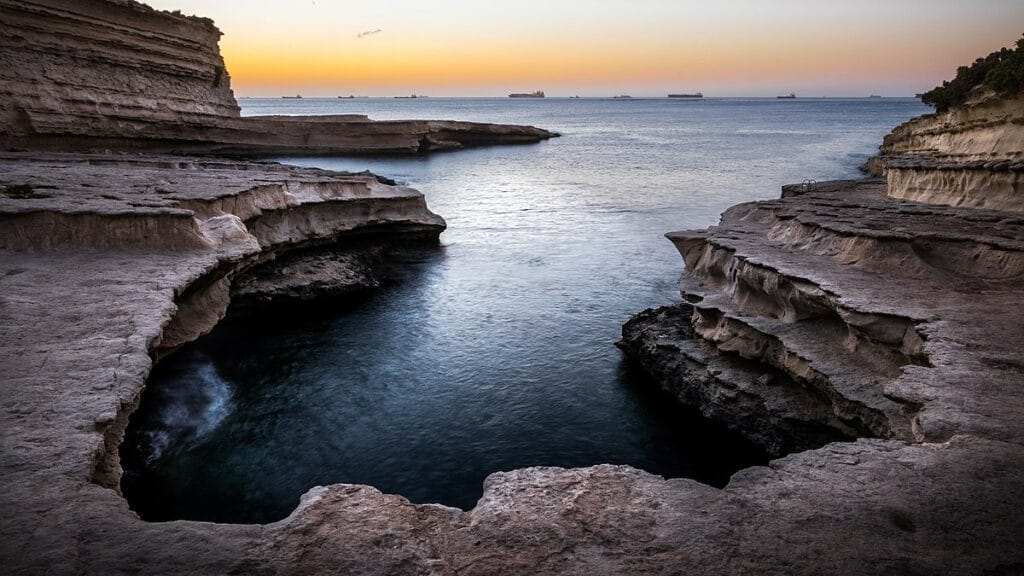
Malta may be small in size, but it’s packed with diverse landscapes, cultural sites, and seaside attractions. Understanding the size and layout of its main islands—Malta, Gozo, and Comino—helps travelers plan their itinerary efficiently and make the most of their visit.
Malta (Main Island) – ~246 km²
Malta is the largest and most populated island in the archipelago, serving as the country’s primary hub for transport, commerce, and culture.
- Population & Urban Areas: Home to roughly 450,000 residents, with key cities including Valletta, Sliema, and St. Julian’s.
- Attractions: Popular beaches, historical landmarks, museums, and bustling markets.
- Transport: Main island has bus networks, car rental options, and ferry connections to Gozo and Comino.
- Travel Tip: Allocate at least 2–3 days to explore urban centers and coastal attractions.
Gozo – ~67 km²
Gozo offers a quieter, rural charm compared to Malta, making it ideal for travelers seeking nature and tradition.
- Key Towns: Victoria (with its historic Citadel), Xlendi, and Marsalforn.
- Beaches & Nature: Ramla Bay, scenic cliffs, and countryside walks.
- Cultural Highlights: Local villages, churches, and artisan workshops.
- Travel Tip: Ferry from Malta takes about 25 minutes; day trips are popular, but 1–2 nights allow a more relaxed experience.
Comino – ~2.7 km²
Comino is tiny but famous for its crystal-clear waters and tranquil environment.
- Main Attraction: The Blue Lagoon, perfect for swimming, snorkeling, and photography.
- Hiking & Exploration: Short walking trails and quiet coves.
- Travel Tip: Reachable by boat from either Malta or Gozo; ideal for half-day or full-day trips.
Inter-Island Travel Tips
- Ferries: Regular ferries connect Malta to Gozo (approx. 25–30 minutes) and to Comino via day-trip boats.
- Scheduling: Start early for Gozo or Comino trips to maximize your day.
- Combination Trips: Consider combining Gozo and Comino in a single excursion for a full island-hopping experience.
Knowing the islands’ sizes and travel times helps visitors balance sightseeing, relaxation, and adventure while planning their Maltese vacation efficiently.
Population Density & Urban vs. Rural Areas in Malta: Travel Planning Insights
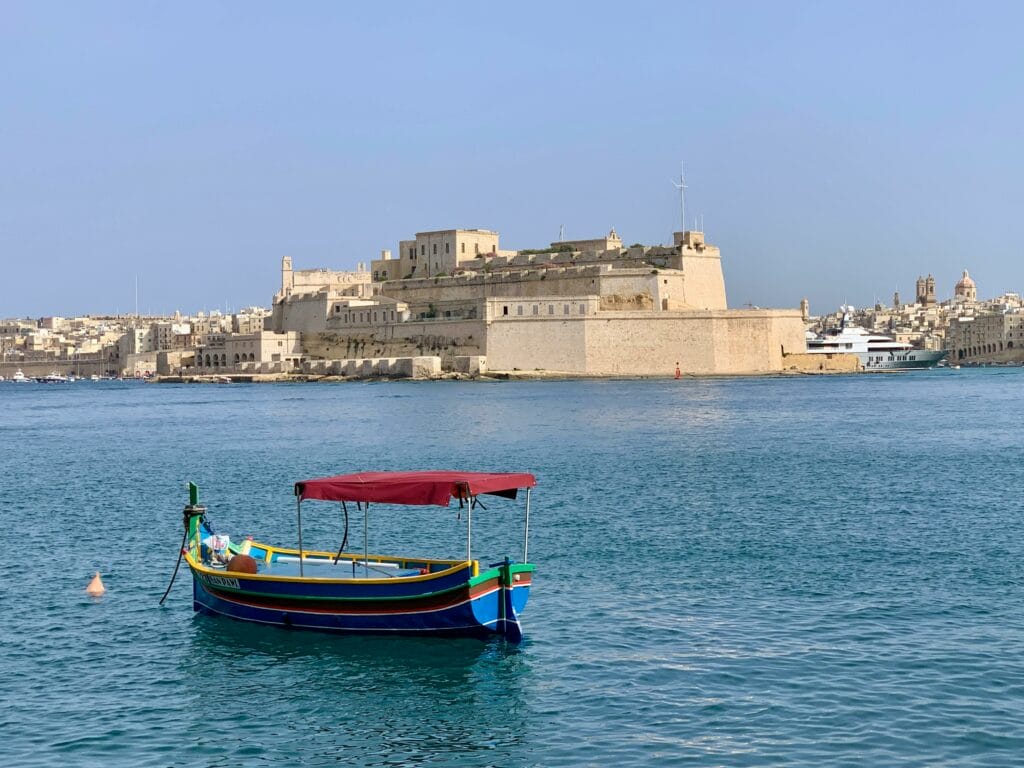
Malta is one of the most densely populated countries in the world, with over 1,600 people per km². This concentration is especially noticeable in its urban hubs, where historic streets, modern high-rises, and vibrant neighborhoods coexist. Understanding population patterns can help travelers plan accommodations, sightseeing, and daily logistics more effectively.
Urban Centers – Valletta, Sliema, St. Julian’s
Urban areas in Malta are bustling with activity, combining history, commerce, and entertainment.
- Valletta: The nation’s capital and UNESCO World Heritage city, featuring Baroque architecture, St. John’s Co-Cathedral, museums, and government offices.
- Sliema: A commercial and shopping hub, famous for seafront promenades, cafes, and modern apartments.
- St. Julian’s: Known for nightlife, dining, and the picturesque Spinola Bay.
- Travel Tips: Book accommodations in advance, especially during peak summer months. Urban areas provide easy access to public transport and tour services, but expect higher prices and crowded streets.
Rural & Quieter Areas – Gozo, Southern Malta, Marsaxlokk
Outside the main urban centers, Malta offers slower-paced experiences in tranquil villages and scenic landscapes.
- Gozo: Less densely populated, offering natural beauty, traditional villages, and historic sites like the Citadel in Victoria.
- Southern Malta: Includes small towns and countryside spots, ideal for nature walks and coastal exploration.
- Marsaxlokk: A traditional fishing village famous for its Sunday fish market and colorful harbor.
- Travel Tips: Rural areas are perfect for travelers seeking relaxation and authentic local culture. Accommodation here can be more spacious and budget-friendly, and crowds are minimal.
How Population Affects Travel Planning
- Accommodation Choices: High-density urban centers often require early booking; rural areas provide quieter, larger options.
- Sightseeing Strategy: Explore urban sites in the early morning to avoid crowds; dedicate afternoons to beaches or the countryside.
- Transport Considerations: Public transport is concentrated in populated areas, while rural destinations may need car rentals or guided tours.
- Cultural Experience: Urban areas offer vibrant nightlife, shopping, and museums, while rural areas allow immersion in Maltese traditions, village life, and local festivals.
By understanding Malta’s population distribution and the contrast between urban and rural areas, travelers can optimize itineraries, choose the right accommodation, and balance city excitement with peaceful escapes. Whether you prefer bustling streets or quiet coastal villages, Malta offers a mix of experiences tailored to every traveler’s pace and interest.
Travel Insights: Exploring Malta Efficiently – Tips, Itineraries & Accommodation
Malta’s compact size makes it one of the easiest destinations in Europe to explore efficiently. With the main island measuring just 246 km² and Gozo and Comino nearby, travelers can comfortably visit multiple attractions in a single day. From historical landmarks and vibrant cities to secluded beaches and scenic cliffs, the short distances mean you spend more time enjoying sights and less time commuting.
For first-time visitors, suggested itineraries can help structure your trip:
- 3-Day Trip: Focus on Malta’s main highlights, including Valletta’s historic streets, Mdina’s medieval charm, and a coastal excursion to the Blue Lagoon in Comino.
- 5-Day Trip: Expand your exploration to include Gozo, with the Citadel in Victoria and Ramla Bay, plus additional beaches and small villages along Malta’s coastline.
- 7-Day Trip: Include a mix of city tours, island hopping, cultural festivals, and outdoor activities such as hiking the Dingli Cliffs or snorkeling around Comino and Gozo.
Transportation across Malta is convenient but requires some planning:
- Buses: Extensive routes connect most towns and cities; fares are affordable, and multi-day passes save money.
- Ferries: Regular services link Malta with Gozo and Comino, ideal for day trips or short excursions.
- Taxis & Ride-Sharing: Useful for quick trips or late-night travel, though fares are higher than public transport.
- Car Hire: Offers flexibility for exploring rural areas or hidden beaches; parking in urban centers may be limited.
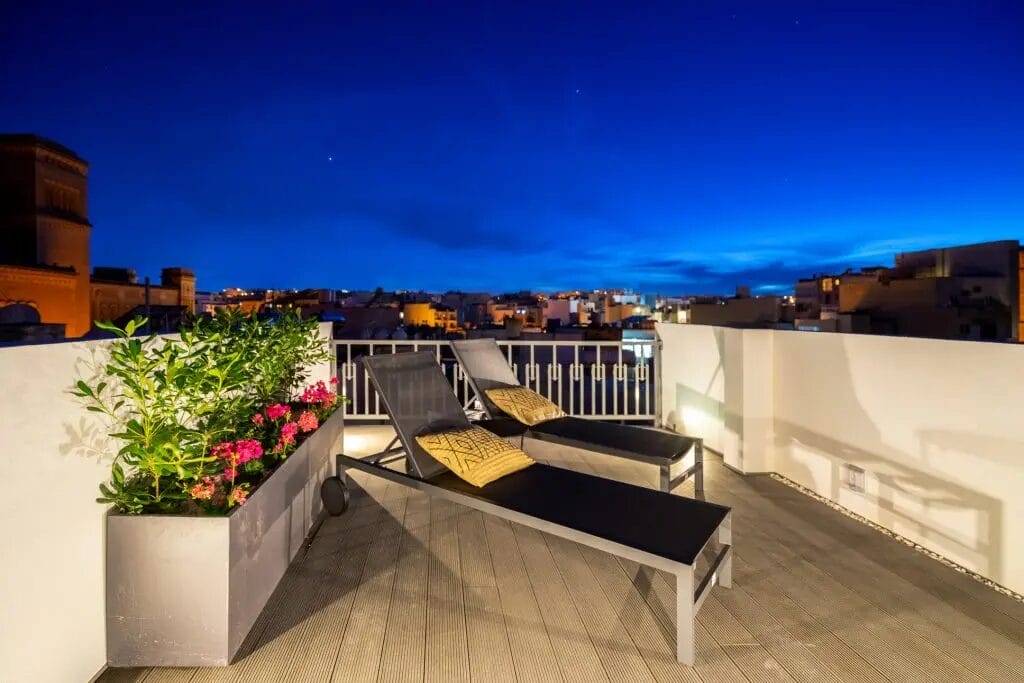
If you’re looking for a luxurious and stylish base while exploring Malta, Aster House in Sliema is the perfect choice. This stunning Art-Deco villa combines elegance, comfort, and modern amenities, making it ideal for families, groups, or travelers seeking a premium holiday experience. Located just minutes from the seafront and central Sliema attractions, Aster House provides convenience without compromising on privacy or sophistication.
Villa Highlights
- Spacious Layout: The villa spans 240 m², accommodating up to nine guests across three bedrooms and three bathrooms.
- Indoor-Outdoor Living: A 10-metre folding glass wall opens the living space to a private terrace, creating a seamless indoor-outdoor experience.
- Design & Decor: Filled with custom-made furniture, original art, and premium appliances, every corner reflects style and comfort.
- Rooftop Chill-Out Zone: Enjoy panoramic views of Sliema while relaxing under the stars.
- BBQ & Dining Terrace: Perfect for alfresco meals with family or friends.
- Private Master Suite Garden: Ideal for morning coffee or quiet reflection in a serene outdoor setting