
The Short Answer
Planning your stay?
Stays — check availability and book direct.
Yes, Malta is well worth visiting. You get 7,000 years of history, warm clear sea, year-round sun, English everywhere and short distances, all on one small island. The honest catch is that summer can feel crowded and built-up, and most beaches are rock rather than sand. Go in spring, autumn or even December and base yourself somewhere central like Sliema, and Malta is genuinely brilliant. See our best time to visit Malta guide to pick your month.
Insider Tip
If you only have a few days, skip the rental car. Base yourself in Sliema, take the €1.50 ferry across to Valletta, and use the Tallinja buses or a Bolt for the rest. Malta is small, parking is a nightmare in the old towns, and you will see far more without sitting in traffic or hunting for a space.
If you are weighing up a trip and wondering is Malta worth visiting, the short version is yes, with a few honest caveats that we will not skip over. We host guests in Sliema all year, so we hear the real reactions when people arrive and when they leave. Most fall hard for the place. A few wish they had picked a quieter month or expected more sandy beaches. This guide gives you the balanced picture so you can decide for yourself.
We will cover what genuinely makes Malta special, the downsides nobody puts on a postcard, who the island suits best, how long to stay, and whether it is worth coming in winter and December. By the end you should know exactly whether Malta is your kind of trip, and how to do it well if it is.
Is Malta worth visiting? The honest verdict
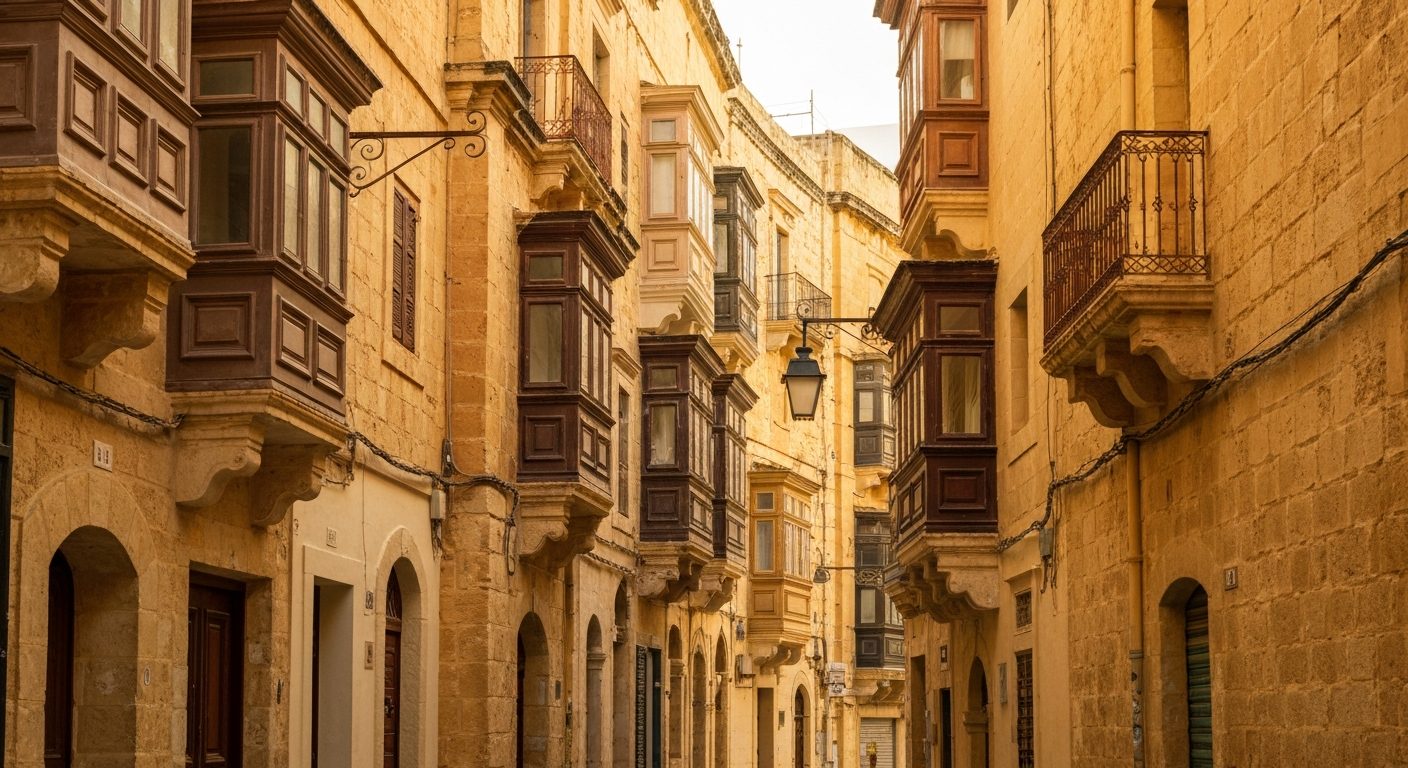
Yes. For a small archipelago of just over 300 square kilometres, Malta packs in an unusual amount: walled cities, prehistoric temples, a swimmable sea for much of the year, more than 300 days of sun, and a culture shaped by Phoenicians, Romans, Arabs, the Knights of St John and the British. Very few places let you swim in a clear cove in the morning and wander a Baroque capital in the afternoon, all without a long drive between them.
Malta also tends to split opinion, and it is worth being honest about why. People who come expecting a sleepy, low-rise Mediterranean island are sometimes surprised by how busy and built-up the central coast is. People who come for history, sea, sun and easy days out almost always leave delighted. The trick is matching your expectations to what Malta actually is, then choosing the right season and base. Get those two things right and the answer to whether Malta is worth visiting becomes an easy yes.
Ready to make Malta happen this year?
Check Dates & BookWhat is Malta famous for, and what makes it special
Ask what Malta is famous for and most people land on three things: the history, the sea, and the sunshine. All three are real, and they are the main reasons the island is worth the trip.
The history is genuinely world-leading. The megalithic temples of Ħaġar Qim and Mnajdra on the south coast were built around 3600 to 3200 BC, which makes them older than Stonehenge and the Egyptian pyramids. Valletta, the capital, is a UNESCO World Heritage city of Baroque palaces, golden limestone and Grand Harbour views you will photograph endlessly. Mdina, the old walled “Silent City”, was used as a filming location for Game of Thrones and feels like stepping into another century. There are also the Three Cities across the harbour, Roman remains, and the war history of the Great Siege and the WWII blitz.
The sea is the other headline. The water around Malta and especially around Comino is the kind of clear turquoise that does not look real in photos. The Blue Lagoon on Comino is the famous one, but there are dozens of swimming spots, rock lidos and coves dotted around both Malta and Gozo. Then there is the sun: Malta gets more than 3,000 hours a year, more than almost anywhere in Europe, which is exactly why northern Europeans flock here from spring through autumn and increasingly in winter too.
Beyond the big three, a few practical strengths make Malta easy to love. English is an official language, so there is no language barrier at all. The island is tiny, so day trips are short. The food is honest and good value, from a sub-€1 pastizz to a long Sunday lunch of fenkata (rabbit stew). And it is walkable in the places you will actually stay.
- History older than the pyramids: the Ħaġar Qim and Mnajdra temples, Valletta, Mdina and the Three Cities.
- Clear, swimmable sea: the Blue Lagoon, plus countless coves and rock lidos around Malta and Gozo.
- Year-round sun: over 3,000 hours a year, with mild winters and a long beach season.
- English everywhere: an official language, so no translation apps needed.
- Short distances: you can cross the main island in under an hour, so day trips are quick.
- Good value food: pastizzi, fresh seafood, ftira sandwiches and reasonable restaurant prices for Europe.
The honest downsides of visiting Malta

No honest verdict skips the negatives, so here they are. None of these are dealbreakers, but knowing them in advance is the difference between a great trip and a slightly disappointed one.
It can be crowded and built-up. Malta is one of the most densely populated countries in Europe, with over half a million people on a small island. The central coastal strip of Sliema, St Julian’s and Gżira is busy and full of apartment blocks, and there is ongoing construction in places. If your mental image of Malta is empty whitewashed lanes, the reality of the central towns can be a surprise. The fix is simple: balance the busy hubs with quieter days in Gozo, Mdina, the south and the smaller villages.
Most beaches are rock, not sand. Malta’s coast is largely rocky, with flat limestone shelves and rock lidos rather than long sandy bays. There are sandy beaches, mainly in the north at Mellieħa Bay, Golden Bay and Għajn Tuffieħa, but they are limited in number and get busy in July and August. If you specifically want a sandy beach holiday, plan around the north or accept that you will be swimming off rocks much of the time. Plenty of people prefer the rock lidos once they try them, as the water is deeper and clearer.
Buses and traffic test your patience. The Tallinja buses are cheap and go nearly everywhere, but they fill up fast, get held up in traffic, and timetables slip, especially around school hours and on busy summer routes. Driving has its own challenges with congestion around Sliema and Valletta and very limited parking in the old towns. The honest answer is to build slack into your day, base yourself centrally so you walk to a lot of it, and use the ferry where you can.
Summer sun is fierce. July and August are hot, often above 32°C, and the limestone reflects the heat back at you. Add cruise-ship crowds and it is the least relaxing time to visit. None of this is a reason to stay away, it is a reason to pick your season, which we will come to next.
Malta pros and cons at a glance
Here is the balanced picture in one place, so you can weigh up whether Malta is worth visiting for the kind of trip you have in mind.
| The pros | The cons (and the fix) |
|---|---|
| History older than the pyramids, three UNESCO sites | Central coast is busy and built-up (balance with Gozo, Mdina, the south) |
| Clear, warm, swimmable sea for much of the year | Mostly rocky beaches, few sandy ones (head north for sand) |
| Over 3,000 hours of sun, mild winters | Fierce heat and crowds in July and August (visit spring or autumn) |
| English is an official language | Buses fill up and run late (build in slack, walk where you can) |
| Tiny island, short day trips, easy to combine | Traffic and tight parking in the old towns (base centrally, use the ferry) |
| Good value food and drink for Europe | Not the budget bargain it once was (self-catering helps) |
“Heavenly beautiful period property with everything you could need for a trip to Malta. The house has kept all its stunning original Art Deco features and is decorated to the highest standard, like having a boutique hotel all to yourself. The neighbourhood is calm and safe, just a five minute walk to the sea front, and it is super easy to see all of Malta from here with the ferry to Valletta. Do not hesitate, book it!”
Who is Malta worth visiting for?
Malta is not for everyone, and that is fine. Knowing whether you are the right kind of traveller for it makes the decision easy.
Malta is a clear yes if you love history and culture, want sun and warm sea without a long-haul flight, like the idea of seeing a lot in a short time, or are travelling with family and want everything close together and in English. Couples and groups who want a base near the action with day trips on tap also do very well here. It is genuinely one of the easier Mediterranean destinations to organise.
Malta is less of a fit if your dream is a remote, undeveloped island with empty sandy beaches and total quiet, or if you only want to lie on soft sand all week. The central coast is lively and developed, not sleepy, and the beaches are mostly rock. If that is your priority, you can still enjoy Malta by basing yourself in the quieter north or in Gozo, but go in knowing what the island is.
- History and culture lovers: temples, walled cities, harbours and museums, all close together.
- Families: short distances, English everywhere, safe towns and plenty for kids. A whole-villa base helps; see our luxury villa in Sliema.
- Sun seekers: reliable warmth from spring to autumn, plus a mild, bright winter.
- Short-break travellers: you can fill three to five days easily without rushing or driving far.
- Swimmers and divers: clear water, rock lidos, the Blue Lagoon and some of Europe’s best dive sites.
- Less ideal for: anyone set on a remote, undeveloped island or a pure sandy-beach holiday.
When is Malta worth visiting? Best time to go
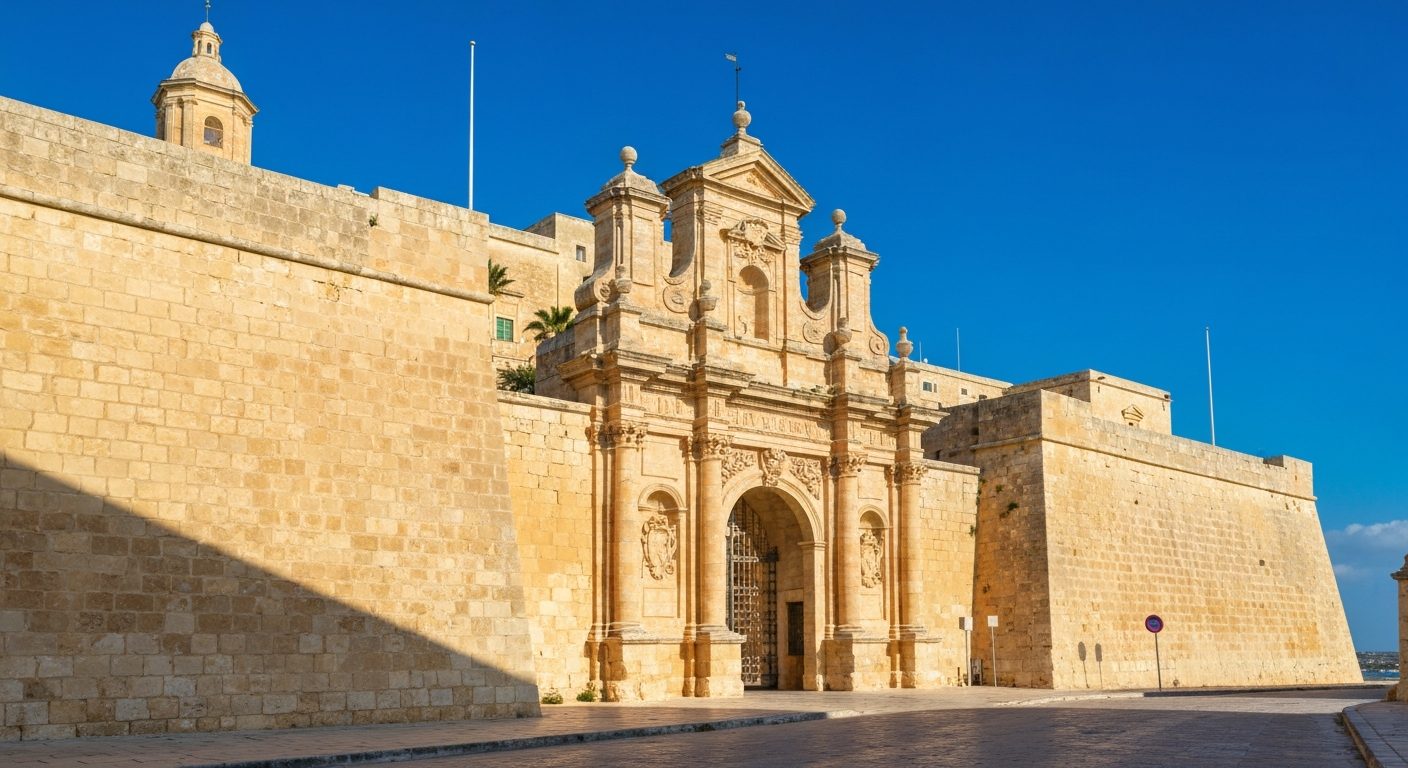
Season makes or breaks a Malta trip, and most regret comes down to going at the wrong time rather than the island itself. Here is the honest rundown.
Spring (April to early June) is arguably the best time to visit Malta. The countryside is green and full of wildflowers, temperatures sit in the low to mid 20s, the sea starts to warm up by late May, and the summer crowds have not arrived. Autumn (mid-September to October) is the other sweet spot: the sea is at its warmest after a summer of heating up, the air is comfortable, and the cruise-ship rush has eased.
Summer (July and August) is hot, lively and crowded, with the warmest sea and the most events but also the highest prices and the most cruise passengers. It suits beach-and-nightlife trips more than sightseeing-heavy ones. Winter (November to March) is the underrated season, which deserves its own answer below. For a month-by-month breakdown including sea temperatures and rainfall, our full guide to the best time to visit Malta goes into detail.
Is Malta worth visiting in December and winter?
Yes, Malta is worth visiting in December and through the winter, as long as you come for the right reasons. You are not coming for beach days. You are coming for mild, bright weather, near-empty historic sites, lower prices and a genuine local atmosphere without the crowds.
Winter daytime highs usually sit around 15 to 18°C, which is shirt-sleeve weather in the sun and a world away from a grey northern December. You can wander Valletta and Mdina with the streets almost to yourself, walk the Sliema and Valletta seafronts, take the ferry across an empty Grand Harbour, and explore the temples without queues. December also brings Christmas lights, nativity cribs in the villages, and a warm festive feel. The honest caveat is that winter is not wall-to-wall sunshine: you will get the occasional windy or rainy day, and a short heavy downpour is common, so pack a light rain jacket and a jumper for the evenings.
The sea is cold for most people in winter, around 15 to 16°C, so swimming is for the hardy only. But if your idea of a good winter break is sightseeing in comfortable weather, eating well, and dodging the crowds and the prices, then visiting Malta in December is a genuinely smart choice. A warm, self-catering base matters more in winter, which is one reason a villa with underfloor heating beats a chilly apartment.
How long is Malta worth visiting for?
For a first trip, three to five days covers the essentials and four to seven days lets you do it properly without rushing. Malta is small, but there is more to see than the size suggests, and the short distances mean a week never feels like too much.
With three days you can do Valletta, Mdina and a swim, and get a real feel for the island. With five to seven days you can add a full day in Gozo, a boat trip to the Blue Lagoon on Comino, the southern temples and a fishing village like Marsaxlokk, and still have time to relax. Stay longer than a week and you can slow right down, settle into a neighbourhood, and treat it as a proper base rather than a checklist. If you want a ready-made plan, see our things to do in Sliema guide for a local’s itinerary.
The right base makes Malta worth it
Aster House is a luxury Art-Deco villa in central Sliema, sleeping up to 9 and just 150m from the sea. With a rooftop chill-out zone, BBQ terrace and whole-villa self-catering, it is an easy walk to the ferry and the seafront. Book direct with no booking fees.
Check Dates & Book Direct