
Moving to Malta is a dream come true for anyone who wants a Mediterranean lifestyle – plenty of sunshine, English all around, a rich cultural heritage, and some very attractive tax breaks. However, don’t let the postcard-perfect scenery fool you. Everyday life on the island requires some careful planning – property prices are sky high in the prime areas, traffic can be pretty lively, and even the modern comforts in some traditional homes can be a bit hit and miss, especially during the really hot summers and cold winters.
Understanding the island’s scale and geography can also help new residents adjust more easily; this helpful guide on how big Malta is and its geography provides useful insights into how different areas connect across the island.
Getting about is a doddle once you’ve got a Tallinja card, which gives you access to buses all over the island, but plenty of residents in Sliema just walk about and enjoy the easy connections to the surrounding area.
For expats, settling in Malta is about more than just the logistics – it’s about embracing the island lifestyle in all its glory. From sunsets over the sea and rooftop sessions to local festivals, historic streets, and a super-welcoming international community, Malta is a real winner for those who come with an open mind and a bit of preparation. With the right base in Sliema, you can enjoy the perfect blend of Mediterranean charm and modern comfort, all without too much effort at all.
Why Move to Malta? Top Reasons Expats Choose the Mediterranean Island Life

Malta is a real magnet for expats who are looking for a Mediterranean lifestyle that’s both refined and hassle-free. With over 300 days of sunshine a year, warm summers that don’t get too hot and mild winters, the island is a natural haven for people who love the great outdoors – from seafront promenades and rooftop evenings to café culture and coastal swims just a stone’s throw from home.
If you’re choosing to put down roots in Sliema, the experience just gets even better. This super- sought-after waterfront district is the perfect blend of busy cosmopolitan life and relaxed island vibes, with walkable streets, stunning sea views, boutique shopping and easy access to business hubs all on your doorstep.
Why Malta — and especially Sliema — appeals to expats:
Safety
Malta consistently tops the safety charts in Europe, making it a reassuring place to call home for families, professionals and retirees alike
English-Speaking Ease
With English as one of the official languages, everyday life in Malta – from official processes to socialising – is just so much easier to navigate
Attractive Residency & Tax Frameworks
Malta’s residency schemes and expat-friendly policies are designed to attract international professionals and investors with some very attractive incentives.
International Community
Sliema has a fantastic mix of locals and expats, creating a dynamic yet super-comfortable social scene with great restaurants, cultural events and waterfront gatherings.
Culture, Coast & Lifestyle
Malta’s historic architecture, lively festivals, yacht marinas and stunning Mediterranean views make for a lifestyle that’s both enriching and totally relaxed.
Beyond the practical benefits, Malta’s got something a bit more intangible to offer – a sense of balance. When you pair all that with a well-designed, climate-controlled home right by the sea, island living suddenly feels both hassle-free and totally luxurious. In Sliema, expats can enjoy safety, sunshine, cultural depth and a strong international network – all set in a setting that’s the perfect blend of modern comfort and timeless elegance.
Understanding Expat Life in Malta: Cities, Integration, and What to Expect
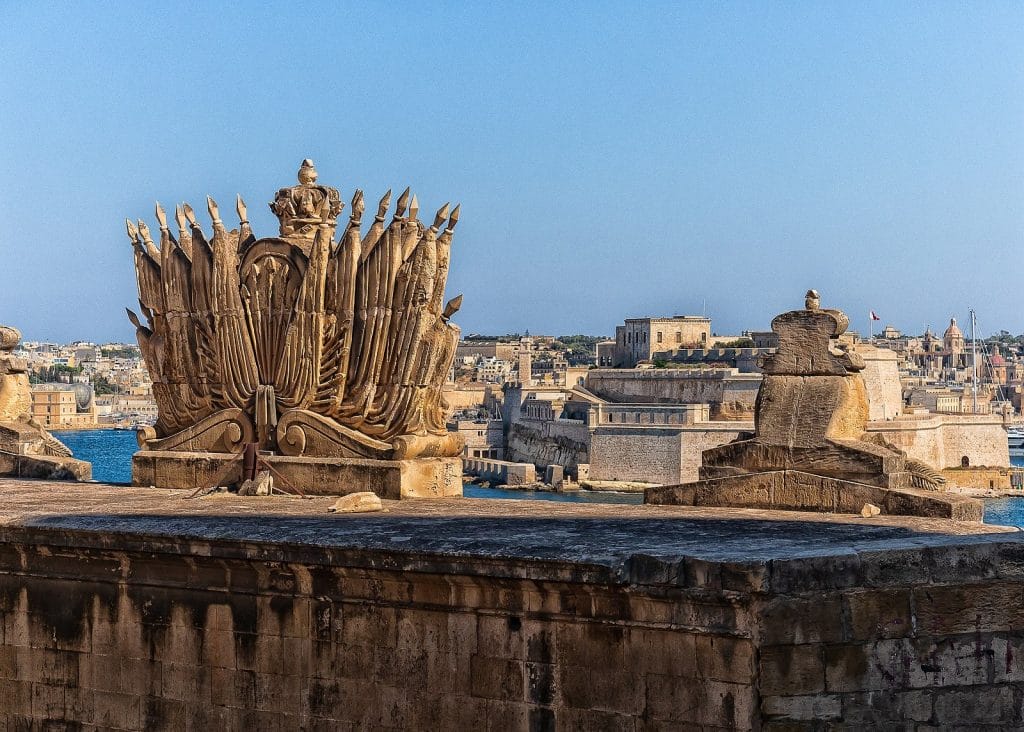
Living in Malta as an expat is all about enjoying a unique blend of flexibility and lifestyle appeal. Unlike traditional expat life, many of us relocate for professional opportunities, remote work or just a change of scene – whether it’s for a few months or a few years – while others decide to make the island their home for good. Knowing what you want from the outset helps shape everything from residency planning to choosing the very best neighbourhood.
In Sliema, expat life takes on a particularly special character. This fabulous seaside district is the perfect blend of coastal promenades, stylish cafés, boutique shopping and business centres – all just a stroll from the sea. Properly designed homes with all the mod-cons, private outdoor spaces and year-round climate control just make everyday life feel effortless and elevated.
Key aspects of expat life in Malta include:
Flexible Length of Stay
Some residents arrive for short-term professional contracts or remote working seasons, while others invest in property and establish permanent roots. Malta’s residency pathways accommodate both approaches.
Prime Locations
Valletta offers historic grandeur and cultural depth, while Sliema stands out for its cosmopolitan coastal lifestyle. Nearby St Julian’s provides vibrant nightlife and entertainment, and Gozo offers a slower, more rural rhythm for those seeking tranquility.
Ease of Integration
With English as an official language, settling in is straightforward. Expats often connect through fitness clubs, sailing groups, cultural events, and community gatherings. Local festivals and waterfront events provide natural opportunities to build friendships and feel part of island life.
Safety & Comfort
Malta is widely regarded as one of Europe’s safest destinations, offering reassurance for families, professionals, and solo residents alike. Expats can read more about Malta’s safety and travel tips.
Ultimately, expat life in Malta — particularly in sought-after Sliema — is about balance: seaside living, cultural richness, strong international community ties, and the comfort of a beautifully appointed home base.
Cost of Living in Malta: Housing, Utilities, Food, Transport, and Expat Comparisons
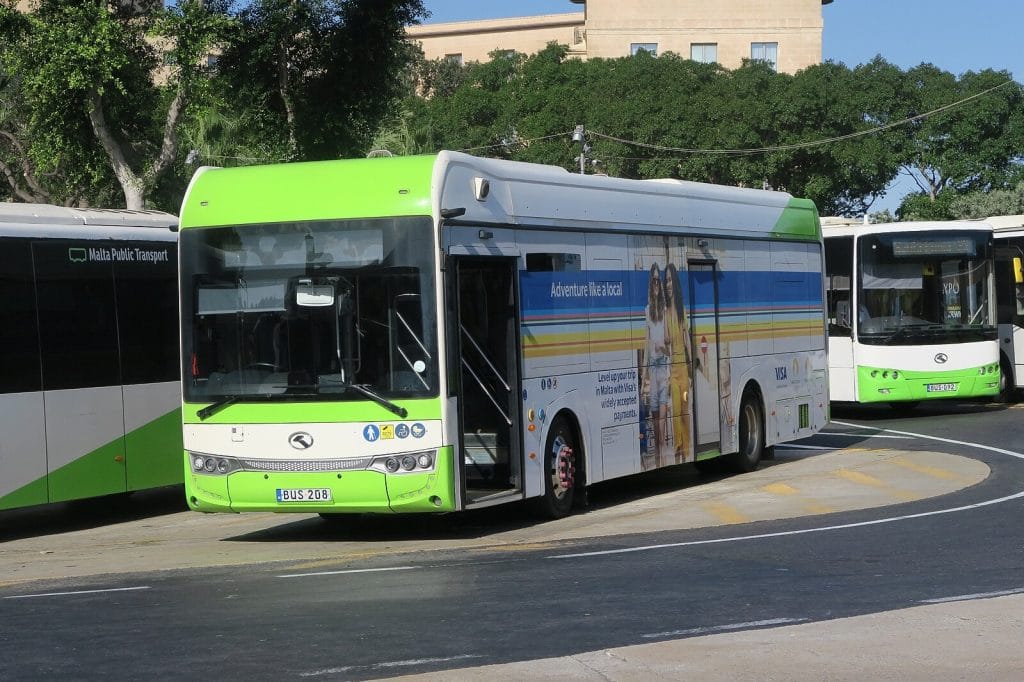
Working out the cost of living is one of the first things to think about when planning a move to Malta. The island really does offer an amazing Mediterranean lifestyle – sunshine, seaside living, a strong international community… but the costs do vary depending on where you live, what kind of property standards you’re looking at, and just your overall lifestyle choices.
Here’s how things tend to stack up for expats, especially in desirable areas like Sliema:
Housing
Accommodation tends to be the biggest expense. Just look at some of the waterfront districts in Sliema – the rental and purchase prices are pretty high because of the views, walkability, and proximity to business hubs. But there’s definitely a difference in quality between properties. Some homes are well-designed and have all the modern comforts – underfloor heating, eco-friendly aircon, outdoor terraces… and then there are older Maltese buildings that are a bit more basic.
If you’re looking at inland towns or Gozo, you might find your rent is lower, but many expats really value the convenience and lifestyle that comes with living in a coastal area. And for those planning to be there long-term, buying a property can be a pretty good investment.
Utilities & Internet
Electricity costs can really add up in the summer months if you’re using aircon a lot – especially if you’re in a property without any energy-efficient systems. But if you’re in a modern home with good insulation and climate control, you can keep comfortable while keeping an eye on your energy use. High-speed internet is pretty widely available across the island and is generally pretty reasonably priced compared to other European countries.
Groceries, Dining & Social Life
Groceries are pretty moderately priced in Malta – higher than in some parts of Southern Europe, but lower than in some Northern European capitals. And then there’s the social scene in Sliema – everything from relaxed seafront cafes to top-notch restaurants, plus all the rooftop bars & marina restaurants… plus cultural events and festivals all year round.
Transportation
The public buses are pretty affordable – especially if you get a Tallinja card which lets you travel for free across the island. And in walkable areas like Sliema, you tend to rely less on cars because everything is so accessible. If you do want to own a car, you’ll need to think about fuel, insurance and parking, but ferry and sea crossing options make it easy to get around.
All things considered, while some of the prime locations do come at a bit of a premium, the lifestyle value that comes with living in Malta – especially in Sliema – is pretty unbeatable: safe surroundings, English speakers everywhere, year-round sunshine… and a really great social scene to boot.
Cost Comparison with Other European Countries
| Expense Category | Malta (EUR/month) | Spain (EUR/month) | Italy (EUR/month) | Germany (EUR/month) |
| Rent (1-bedroom city center) | 850–1,200 | 700–1,000 | 750–1,200 | 900–1,400 |
| Utilities | 100–150 | 100–150 | 120–160 | 150–200 |
| Internet | 30–40 | 25–35 | 25–35 | 30–40 |
| Groceries | 250–350 | 200–300 | 250–350 | 300–400 |
| Public Transport | 0–50* | 40–60 | 35–55 | 70–100 |
With a Tallinja card, buses are free.
Overall, Malta’s cost of living aligns broadly with other Southern European destinations, though premium coastal areas like Sliema and high-end imported goods can elevate expenses. Choosing a well-appointed home in a prime seaside location often comes at a higher price point, but it also delivers greater comfort, walkability, and lifestyle value.
For expats, thoughtful budgeting — particularly for quality accommodation and year-round climate control — makes it entirely possible to enjoy a refined Mediterranean lifestyle while taking full advantage of Malta’s sunshine, safety, and vibrant coastal living.
How to Apply for a Work or Study Visa in Malta: An Expat Guide to Getting Started
For many international professionals and students, getting the right visa is the first step towards making a life in Malta. Whether you’re relocating for work, remote work or education, getting the process sorted out early makes a big difference – allowing you to focus on settling into your new life, rather than getting bogged down in paperwork.
Work Visa
If you are moving to Malta for employment, your employer typically supports the application process.
- Non-EU/EEA citizens generally require a Single Permit (which combines a work and residence permit) issued by Identity Malta. This confirms that your role meets local labour regulations.
- EU/EEA citizens do not need a visa but must register their residence within three months of arrival.
Many expats choose to base themselves in coastal hubs such as Sliema, which offer proximity to business centres, strong infrastructure, and an international community.
Study Visa
Students planning to study in Malta must first obtain an acceptance letter from a recognised Maltese educational institution.
- Non-EU/EEA students must apply for a long-term national study visa and provide documentation including proof of financial means, accommodation details, and valid health insurance.
- EU/EEA students are exempt from visa requirements but must register their presence with local authorities.
Application Process
- Determine the appropriate permit type (work, study, or long-term residency).
- Prepare required documentation: valid passport, employment or university acceptance letter, proof of funds, accommodation confirmation, and health insurance.
- Submit your application through Identity Malta (online or in person, depending on eligibility).
- Once approved, collect your residence card upon arrival in Malta.
Tips for a Smooth Transition
- Begin your application well in advance, as processing times can vary.
- Ensure documents are complete, accurate, and properly certified.
- Check official Identity Malta updates regularly for any policy changes.
Once you’ve got your visa sorted, you can move on to the fun stuff like choosing the right neighbourhood, sorting out your accommodation and getting to know your new home by the sea. With the admin out of the way, expats can really start to enjoy Malta’s sunshine, safety, and relaxed Mediterranean lifestyle.
Residency & Citizenship in Malta: Building a Long-Term Future by the Sea
For expats who are drawn to Malta’s sunshine, safety, and Mediterranean charm, particularly in areas like Sliema, understanding the different pathways to residency and citizenship is really important for building long term stability.
Permanent Residency in Malta
Many non-EU nationals apply through the Malta Permanent Residence Programme (MPRP), which provides the right to reside in Malta indefinitely and includes family members.
Key requirements typically include:
Government Contribution
A one-time, non-refundable contribution — generally €60,000 if renting property or €30,000 if purchasing.
Administrative & Donation Fees
An additional amount (around €52,000) covering administrative fees and a required charitable donation.
Property Commitment
Applicants must either:
- Purchase property with a minimum value of €375,000, or
- Lease property for at least €14,000 per year over a five-year period.
For many expats, choosing the right property is central to the residency experience. Prime coastal districts such as Sliema offer walkability, sea views, and proximity to business hubs — factors that significantly enhance quality of life while meeting residency property criteria.
Permanent residency can extend to close family members, including dependent parents and grandparents, offering multi-generational security.
Maltese Citizenship
Citizenship is a separate and more selective process. With investment-based routes no longer available, naturalisation remains the primary pathway.
Naturalisation
Applicants must generally reside in Malta for at least five years, including several years as a permanent resident.
Family Connections
Children of Maltese citizens and certain close relatives may qualify under specific conditions.
Marriage to a Maltese Citizen
Spouses may live and work in Malta without additional permits and can apply for citizenship after five years of marriage.
Exceptional Merit
Citizenship may also be granted in rare cases to individuals who have made outstanding contributions to Malta in areas such as science, culture, sport, or innovation.
Planning for the Future
Getting residency or citizenship in Malta needs careful financial planning and professional advice. But once you’ve got it sorted, you get the long term security of living in one of the safest and most English-speaking countries in the world.
For people based in Sliema, having residency is more than just a piece of paper – it gives you access to the local lifestyle with its coastal promenades, rooftop barbecues, and the international community. With a bit of forward planning, Malta can become your new home.
Best Places to Live in Malta for Expats: Neighborhoods, Lifestyle, and Cost Considerations
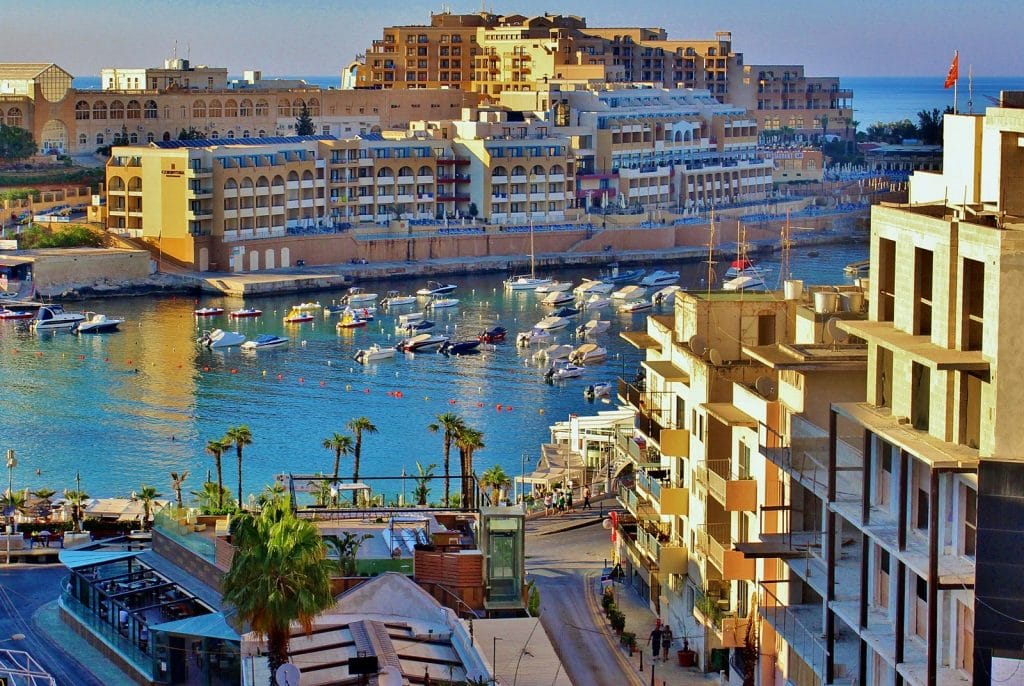
Deciding which area to live in is one of the most important decisions you’ll make as an expat in Malta. Each area has its own unique lifestyle, convenience, atmosphere and budget – so it’s worth getting it right.
Popular Areas for Expats
Valletta
Malta’s historic capital is full of architectural beauty, cultural landmarks, and museums. It offers a prestigious address and central location, though properties can be compact and command premium prices.
Sliema
One of the most sought-after coastal areas in Malta, Sliema combines seaside living with a cosmopolitan vibe. With its seafront promenade, boutique shopping, cafés, restaurants, and proximity to business hubs, it’s a magnet for professionals and families alike. While the rent and sales prices are a bit steep, the lifestyle perks—walkability, sea views, and a lively community—often make it worth splashing out on.
Beyond everyday living, Sliema is also one of the best starting points for exploring the Maltese islands. Many popular excursions depart directly from the Sliema Ferries area, including the Gozo, Comino & Blue Lagoon boat and bus tour, where visitors can cruise along Malta’s scenic northern coastline, explore Gozo’s historic sites, and swim in the crystal-clear waters of the famous Blue Lagoon on Comino—all in a single day trip.
St Julian’s / Paceville
This area’s got a reputation for being the place to go for nightlife, entertainment, and a lively social scene. It’s perfect for singles and professionals who love being right in the thick of things. Just be prepared for busier streets and higher accommodation costs in the prime spots.
Mellieħa
Located in the north, Mellieħa offers a quieter, beach-oriented lifestyle with more spacious properties and generally lower prices. It’s well-suited to families and retirees seeking a relaxed atmosphere.
Gozo
Malta’s sister island provides scenic countryside, coastal beauty, and a slower rhythm of life. With lower property costs and more space, it appeals to those prioritising tranquility over urban convenience.
What to Consider When Choosing Your Area
Budget
If you’re after a prime spot like Sliema, St Julian’s or Valletta, be prepared to pay top dollar. Northern towns and Gozo might be a bit more affordable and offer more elbow room.
Lifestyle Priorities
Think about proximity to work, schools, beaches, cafés, and leisure facilities. Walkable neighbourhoods near the sea can significantly enhance daily life.
Transport & Accessibility
Areas with strong bus connections and ferry access make commuting easier. In more central coastal districts, many amenities are within walking distance, reducing reliance on a car.
Community & Integration
Neighbourhoods with established international communities — particularly Sliema — often make settling in easier, offering social networks, clubs, and events that help newcomers feel at home.
Ultimately, Malta’s got something for everyone – whether you’re after a lively waterfront lifestyle or a peaceful countryside retreat. For those who want a refined coastal lifestyle with all the trimmings, Sliema is one of the island’s most compelling places to call home.
Working in Malta: Careers, Opportunity & Coastal Living
Malta’s strategic Mediterranean location and steadily growing economy continue to attract international professionals. For many expats, combining career growth with a refined seaside lifestyle — particularly in well-connected districts like Sliema — is a major part of the appeal.
Malta’s strongest industries are iGaming, financial services, tech, tourism & hospitality, healthcare and education. Skilled pros in IT, finance, marketing, compliance and hospitality management are always in demand – especially within internationally focused companies operating from Malta.
Work Permits & Employment Structure
For non-EU/EEA nationals, employment typically requires a Single Permit (work and residence permit combined), which is usually arranged by the employer in coordination with Identity Malta.
EU/EEA citizens do not require a work permit but must register their residence if staying longer than three months.
Employment agreements in Malta are generally formalised in writing and outline salary, benefits, working hours, and responsibilities — offering legal clarity and protection for both employer and employee.
Remote Work & Digital Nomads
Malta’s become a hotspot for remote professionals and digital nomads. With fast internet, English-speaking locals and a well-established expat community, it’s an easy base for a global career.
Sliema’s a favourite with remote workers due to its walkability, waterfront cafes, co-working spaces and proximity to business hubs. Living near the sea while looking after international clients or contracts creates a great balance between productivity and Mediterranean vibes.
Salaries & Career Development
Salaries vary depending on the sector and experience. While salaries might be a bit lower than in some Northern European capitals, the tax structure, residency incentives and lifestyle benefits often make up for it.
Career progression is strong in iGaming, tech, fintech and financial services – sectors that actively recruit international talent. In Malta’s relatively small job market, your professional reputation, networking and ongoing development are key to getting ahead.
Networking & Professional Community
Malta’s professional scene is dynamic and pretty easy to tap into. Expats can connect through LinkedIn groups, industry associations, co-working hubs and business events in Valletta, Sliema and St Julian’s. These gatherings provide a great chance to build relationships and get to know the local and international networks.
—For lots of expats, working in Malta is more than just a job — it’s about building a whole new life. Having a steady career while living in a really well-designed coastal home with sea views, safe neighbours, and a community from all around the world – that’s what makes Malta – and especially Sliema – such a great long-term base for ambitious folk.
Healthcare, Insurance & Public Services in Malta: What Expats Should Know
For anyone relocating to Malta — whether for career opportunities or a refined coastal lifestyle in areas like Sliema — access to reliable healthcare and public services is an important consideration. Fortunately, Malta offers a strong combination of public and private options, ensuring flexibility and quality care.
Public Healthcare
Malta’s public healthcare system is centred around Mater Dei Hospital, supported by regional health clinics across the island. Residents have access to general practitioners, specialist services, hospital treatment, and emergency care at relatively low cost.
- EU/EEA citizens can use their European Health Insurance Card (EHIC) for necessary treatment.
- Non-EU residents typically register for the national system once residency is granted.
While standards of care are high, waiting times for non-urgent procedures may be longer — which is why many expats explore additional private coverage.
Private Healthcare & Insurance
Private healthcare in Malta gets top marks for shorter waiting times, a wider range of specialist services, and a lot more comfort. The private hospitals and clinics are modern, well-equipped, and easily accessible, especially in areas like Sliema and St Julian’s.
Health insurance plans are generally more affordable than in many other European countries. Many employers – particularly in iGaming, finance, and tech – throw in some private health coverage as part of the package, which can make a big difference to the overall benefits.
Health Insurance Requirements
For non-EU nationals, valid health insurance is often mandatory as part of visa or residency applications. Comprehensive policies typically cover:
- Outpatient consultations
- Specialist visits
- Hospitalisation
- Emergency treatment
- Prescription medication
- Optional dental and additional services
Maintaining appropriate coverage ensures both compliance with residency regulations and peace of mind.
Public Services & Everyday Infrastructure
Beyond healthcare, Malta offers dependable public services. English is widely spoken, making it easy for expats to navigate administrative processes.
- Transport: The Tallinja card provides free bus travel across the island, while ferry services connect key coastal points and Gozo.
- Utilities & Infrastructure: Central districts such as Sliema benefit from strong internet connectivity and reliable services, supporting both families and remote professionals.
- Local Administration: Residency registration, documentation, and municipal services are accessible and straightforward compared to many EU countries.
Practical Tips for Expats
- Register with a local GP soon after arrival.
- Consider combining public access with private insurance for greater flexibility.
- Review your health policy carefully to ensure coverage for emergency care and specialist treatment.
With a safe environment, English-speaking services, and modern healthcare options, Malta offers expats both security and convenience. When paired with comfortable accommodation in a well-connected seaside neighbourhood like Sliema, everyday living feels not only manageable — but genuinely enjoyable.
Finding Accommodation in Malta: Coastal Living, Prime Neighbourhoods & Refined Homes
Sorting out the right home is one of the biggest decisions you’ll make when moving to Malta. The island’s got a lot to offer – from historic towns to lively waterfront districts and peaceful northern towns – but getting the right fit is everything. For lots of expats – especially professionals and families – being close to the sea, being able to walk around, and having all mod cons in the house are top priorities.
Popular Areas for Expats
Sliema
One of Malta’s most desirable coastal districts, Sliema blends seaside promenades, boutique shopping, cafés, and strong business connectivity. Its cosmopolitan atmosphere and waterfront views make it especially appealing to professionals and families seeking both energy and convenience.
St Julian’s
Lively and social, this area is known for entertainment, nightlife, and a strong international community. It suits singles and those who enjoy an active urban environment.
Valletta
Malta’s capital offers architectural beauty and cultural prestige. While centrally located, properties can be compact and command premium prices.
Mellieħa
A quieter northern town known for beaches and a relaxed pace, ideal for families or those prioritising space and tranquility.
Gozo
Malta’s sister island offers countryside scenery, lower housing costs, and a slower rhythm of life for those seeking distance from urban bustle.
Property Options for Expats
Accommodation in Malta ranges from practical city apartments to spacious family homes and high-end villas.
Apartments
Common in central areas like Sliema, offering convenience and walkability. Options range from compact studios to multi-bedroom residences.
Townhouses & Houses
Provide additional space, sometimes with private gardens or terraces, and are popular for longer-term stays.
Luxury Villas
Premium villas in coastal districts offer refined finishes, private outdoor areas, rooftop terraces, modern climate control, and indoor-outdoor living — ideal for those seeking elevated comfort and design-led living near the sea.
Renting in Malta: What to Consider
- Review lease agreements carefully, including maintenance and utility responsibilities.
- Work with reputable agents or verified platforms.
- Visit properties in person where possible, or request detailed virtual tours.
- Confirm insulation quality, climate control systems, and energy efficiency — particularly important in Malta’s hot summers.
- Check transport access, walkability, parking availability, and proximity to daily amenities.
Short-Term vs Long-Term Rentals
Short-Term Rentals
Fully furnished and flexible, ideal for new arrivals exploring neighbourhoods before committing. Monthly rates are typically higher.
Long-Term Rentals
More cost-effective for permanent relocation, usually requiring a 12-month lease and security deposit.
By carefully assessing neighbourhood atmosphere, property quality, and rental terms, expats can secure a home that complements their lifestyle. For those prioritising sea views, modern comforts, and a vibrant yet refined setting, Sliema stands out as one of Malta’s most compelling places to live — offering a seamless blend of Mediterranean charm and contemporary coastal living.
Best Hotels and Villas to Stay in Malta: Luxury and Comfort for Expats and Travelers
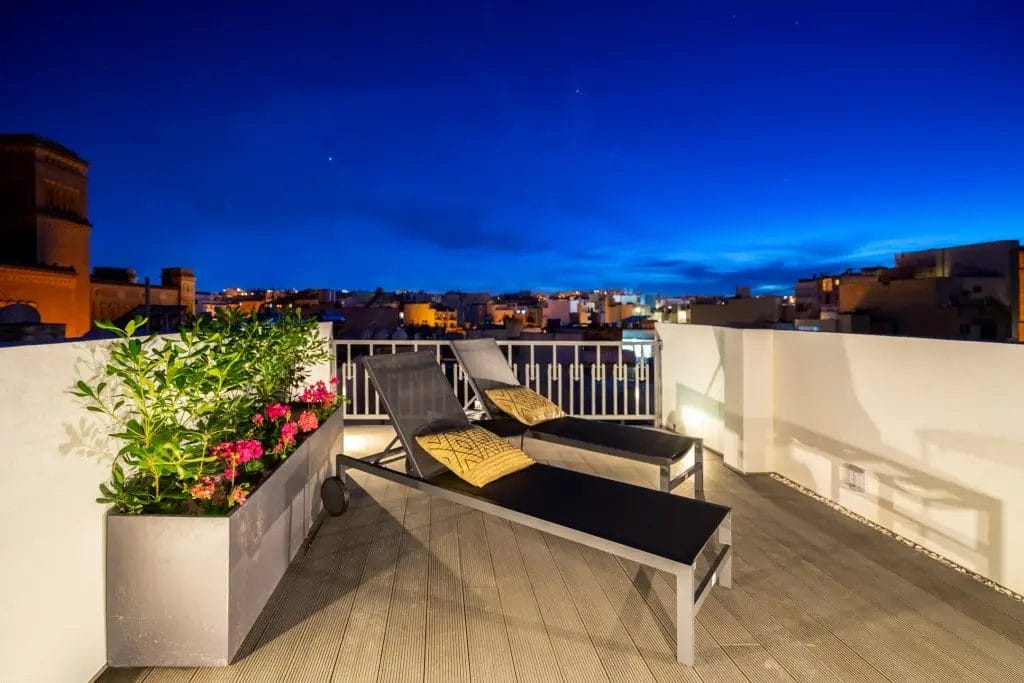
Malta has an incredible range of accommodation options to choose from, whether you’re looking for a short-term stay or a longer-term base. From elegant boutique hotels in historic areas to beautiful coastal residences that are perfect for longer stays, there’s something to suit all tastes and budgets.
Luxury Coastal Living in Sliema
Among Malta’s standout stays is Aster House in Sliema — a sophisticated Art-Deco villa that blends architectural character with modern luxury. Situated just 150 metres from the sea, this beautifully designed 240 m² residence offers three bedrooms, three bathrooms, and a dedicated media room, making it ideal for families, professionals, or groups seeking space and privacy.
The villa is thoughtfully curated with custom-made furnishings, original artwork, and high-end appliances throughout. Its defining feature — a dramatic 10-metre folding glass wall — creates seamless indoor-outdoor living, filling the home with natural light and connecting interior spaces to private terraces.
Signature Features of Aster House
- Rooftop chill-out terrace with open views
- Alfresco dining area with fully equipped BBQ
- Private garden space off the master suite
- Media room with projector screen and entertainment setup
- Spa-style bathrooms with power showers and deep soaking tub
- Premium superking beds and luxury linens
- Eco-conscious climate control, including underfloor heating and air conditioning
- Prime Sliema location near the waterfront promenade
Designed with Families in Mind
Aster House also caters exceptionally well to families. Amenities include baby cots, high chairs, children’s dining essentials, toys, Xbox One, and access to kids’ streaming channels — ensuring comfort and entertainment for all ages.
Blending refined design, generous space, and one of Sliema’s most desirable coastal locations, Aster House offers more than accommodation — it provides a private Mediterranean retreat tailored for relaxed, stylish island living.
Book Aster House in Sliema, Malta
Culture, Lifestyle & Social Life in Malta
Life in Malta is shaped by a vibrant Mediterranean spirit — where historic influences, coastal living, and modern comforts come together seamlessly. For expats based in desirable seaside districts like Sliema, daily life blends professional ambition with relaxed waterfront living, creating a rhythm that feels both energising and balanced.
Maltese Culture, Traditions & Festivals
Malta’s cultural identity reflects centuries of Italian, British, and North African influence. Traditional village festas fill the streets with fireworks, music, and colourful processions throughout the summer months, offering an authentic insight into local life.
Major events such as the Malta Carnival and large-scale music festivals add contemporary flair, while UNESCO-listed architecture, historic palaces, and museums ensure year-round cultural depth. Living in central coastal areas makes it easy to experience both heritage and modern events within minutes.
Cuisine & Social Dining
Food plays a central role in Maltese culture. Local favourites such as fresh seafood, rabbit stew (fenkata), and flaky pastizzi sit alongside refined Mediterranean cuisine and international dining.
In Sliema, waterfront cafés, marina restaurants, and rooftop terraces create a lively yet elegant dining scene. Brunch by the sea, evening aperitifs at sunset, and alfresco dinners have become part of everyday island life.
Expat Community & Social Connections
Malta has a strong and welcoming international community. Professional networking events, co-working hubs, sports clubs, and social gatherings are common in areas like Sliema and Valletta.
For newcomers, joining local fitness classes, sailing clubs, or cultural groups provides an easy way to integrate and build lasting connections. The English-speaking environment makes social interaction effortless.
Outdoor Living & Coastal Activities
With over 300 days of sunshine, outdoor living is central to the Maltese lifestyle. Swimming, sailing, snorkelling, paddleboarding, and coastal walks are everyday pleasures — especially when living just steps from the sea.
The Sliema promenade offers scenic morning jogs and sunset strolls, while beaches such as Golden Bay or the Blue Lagoon provide weekend escapes. Rooftop terraces and private outdoor spaces further enhance the experience of Mediterranean living.
Work-Life Balance
Malta’s compact size and short commuting distances naturally support work-life balance. Many expats benefit from flexible working arrangements and remote opportunities, allowing them to enjoy seaside cafés, rooftop evenings, and social gatherings without long daily commutes.
Overall, Malta offers a lifestyle that feels both connected and relaxed. For expats living in Sliema, the combination of coastal beauty, vibrant culture, safety, and international community creates an environment where professional life and personal wellbeing coexist effortlessly — a true expression of refined Mediterranean living.