
“Is Malta safe for travelers?” The short answer is yes—Malta is widely regarded as one of the safer destinations in Europe. Violent crime is rare, public spaces are generally secure, and the island maintains high standards for health and sanitation. However, like any popular tourist destination, staying vigilant and informed can make a significant difference in ensuring a smooth and worry-free experience. From petty theft in crowded areas to navigating local traffic and understanding cultural norms, knowing what to expect can help travelers avoid common pitfalls.
This guide will provide a comprehensive overview of safety in Malta. We’ll explore local crime trends, healthcare standards, transportation safety, and cultural etiquette. Additionally, practical tips will help you enjoy your trip with confidence—from safeguarding your belongings to staying healthy and respecting local customs. Whether you’re planning a relaxing beach holiday, a cultural exploration, or an adventurous escape, understanding these aspects of safety can make your Maltese journey both enjoyable and secure. For inspiration on where to go and what to experience, check out this detailed guide on what to do in Malta, including top attractions and travel tips to help plan your perfect itinerary.
Malta Travel Safety: General Safety Overview for Tourists, Solo Travelers, and Families
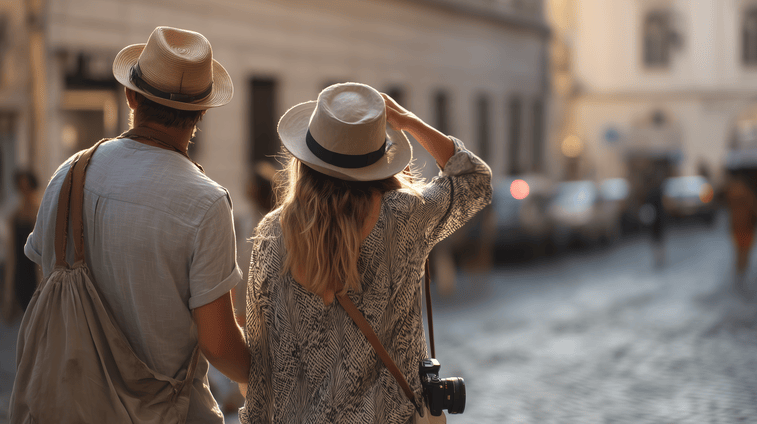
Malta is widely regarded as one of the safest countries in Europe, offering travelers a sense of security that is hard to find in many other Mediterranean destinations. With low crime rates, a visible police presence, and a culture of hospitality, visitors can generally explore the island’s historic streets, beaches, and vibrant cities without constant concern for their safety.
While violent crime is rare, travelers should remain aware of minor risks that can occur in crowded or tourist-heavy areas. Pickpocketing, for example, can happen in busy marketplaces, public transport hubs, or popular sightseeing spots. Nightlife areas—particularly in St. Julian’s and Paceville—can also attract petty crime or overzealous crowds, so exercising caution and keeping personal belongings secure is advisable.
For those traveling solo, Malta’s friendly environment and well-marked public spaces make it relatively easy to navigate safely, even after dark. Families will find the island particularly welcoming, with safe pedestrian areas, family-friendly beaches, and numerous attractions that cater to children and seniors alike. Elderly travelers can also enjoy the island’s safety features, though it’s wise to plan trips around mobility considerations and avoid uneven streets in older parts of the cities.
Key General Safety Tips for Malta Travelers:
- Keep valuables secure: Use hotel safes or anti-theft bags in crowded areas.
- Stay aware in nightlife zones: Watch your drinks and travel in groups when possible.
- Monitor your surroundings: Pickpocketing can occur at tourist hotspots and events.
- Mobility plan: Elderly visitors should check accessibility when visiting historic sites.
- Travel insurance: Always carry travel insurance for peace of mind in case of minor incidents.
By understanding these practical considerations, travelers can enjoy Malta confidently, whether exploring ancient temples, lounging on sun-drenched beaches, or discovering the island’s rich cultural heritage. Malta’s reputation as a safe destination ensures that visitors can focus on the experiences rather than worrying about risks, making it an ideal choice for solo travelers, families, and elderly tourists alike.
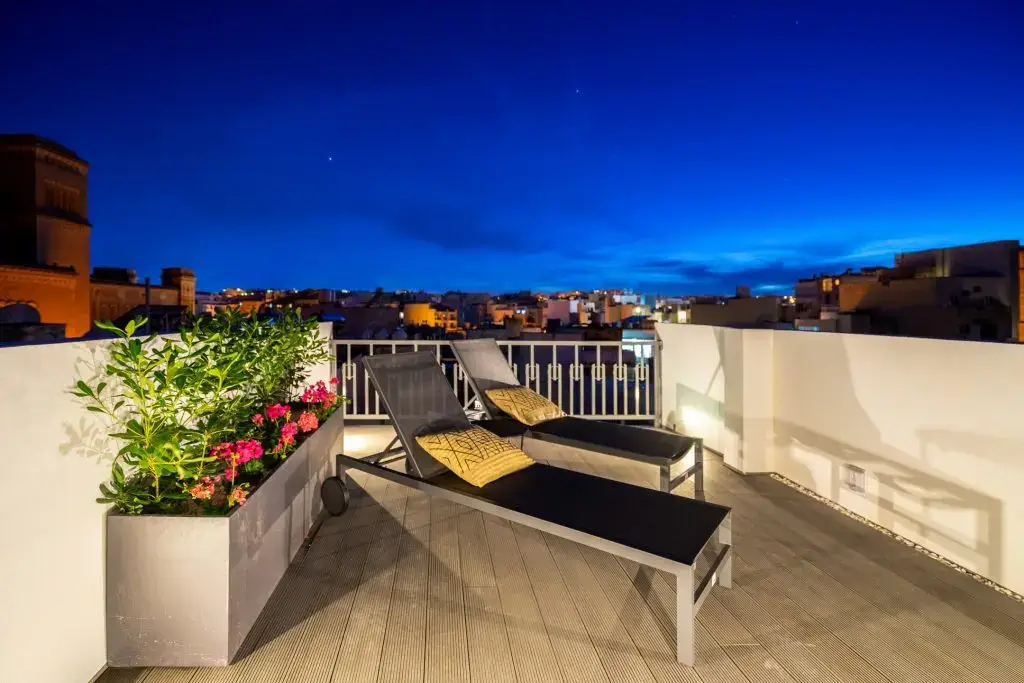
Travelling as a family? Aster House is family-ready, on a quiet residential street in central Sliema, with three super king ensuites and a media room.
Crime in Malta: Safety Tips, Common Issues, and How Tourists Can Stay Secure
Malta is widely considered a safe destination, but like any popular tourist spot, visitors should be aware of minor risks and know how to protect themselves. The island experiences very low levels of violent crime, making it one of Europe’s safer travel destinations. Most issues travelers encounter are related to petty theft, scams, or occasional road incidents rather than serious criminal activity.
Common Types of Crime in Malta:
- Petty Theft & Pickpocketing: Often occurs in crowded areas such as Valletta, Sliema, and St. Julian’s. Tourists should be vigilant in marketplaces, bus stations, and busy streets.
- Scams: Small-scale scams targeting tourists, such as overcharging for taxis or services, can happen. Always verify prices and use official providers.
- Road Incidents: Traffic accidents are uncommon but can occur, especially if driving unfamiliar vehicles or navigating narrow streets in older towns.
Practical Tips to Avoid Crime:
- Keep valuables secure in hotel safes or carry anti-theft bags. Avoid leaving wallets, phones, or passports unattended.
- Be cautious in busy tourist areas, particularly during peak sightseeing hours or crowded events.
- Always use official taxis or rideshare services. Avoid unlicensed operators to reduce the risk of scams.
- When walking at night, stick to well-lit areas and travel in groups if possible.
- Stay alert for anyone offering unsolicited “help” or deals that seem too good to be true.
Emergency Services and Police Contacts:
Malta has a reliable and responsive police force. In case of emergencies:
- Police: 112 or 119
- Medical Emergencies: 112 or visit local hospitals/clinics
- Tourist Assistance: Most hotels can provide local emergency contacts and guidance for safe travel
Despite minor risks, travelers can rest assured that violent crime in Malta is extremely rare. Local communities are friendly, welcoming, and generally eager to assist tourists. By taking basic precautions and staying aware of your surroundings, you can enjoy Malta’s stunning scenery, historic sites, and lively culture with confidence.
Health and Medical Safety in Malta: Tips for Tourists and Travelers

Malta is known not only for its beauty and culture but also for its high standard of healthcare, making it a reassuring destination for tourists. The country maintains modern medical facilities, well-trained staff, and efficient emergency services, ensuring that travelers have access to quality care if needed.
Healthcare Overview for Tourists:
- Public and Private Facilities: Malta offers both public hospitals and private clinics. Public hospitals provide comprehensive care, while private clinics often offer faster service for minor issues.
- Emergency Services: In case of medical emergencies, dial 112 for immediate assistance. Ambulance services are reliable and generally quick.
- Pharmacies: Pharmacies are widespread across the islands, and pharmacists can provide advice on minor ailments or over-the-counter medications.
Common Health Considerations for Travelers:
- Sun Protection: Malta’s Mediterranean sun is strong, especially between May and September. Use sunscreen, wear hats, and stay hydrated.
- Water and Food Safety: Tap water is safe to drink. Enjoy local cuisine but ensure street food and seafood are freshly prepared.
- Travel Insurance: Even though healthcare is excellent, travel insurance is recommended to cover unexpected medical costs or emergencies.
- Seasonal Health Tips: During peak tourist season, crowded beaches and festivals can increase minor health risks such as dehydration or fatigue, so plan breaks and drink plenty of water.
Tips for Safe Travel:
- Carry a basic first-aid kit, especially if planning outdoor activities like hiking or watersports.
- Check in advance whether your accommodation provides medical assistance or contacts in case of illness.
- For families and elderly travelers, consider accessibility and mobility when choosing hotels and attractions.
Transportation Safety in Malta: Driving, Public Transport, and Pedestrian Tips for Tourists
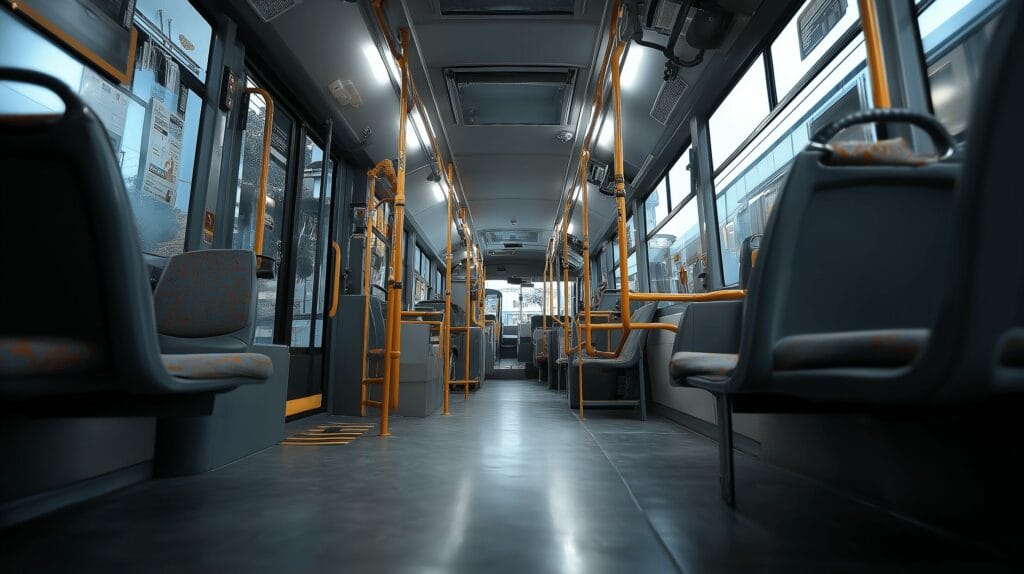
Getting around Malta is relatively straightforward, but visitors should be aware of local road rules, public transport safety, and practical tips to navigate the island smoothly. Malta’s compact size makes it easy to explore by car, bus, ferry, or even bicycle, but understanding the transportation landscape is essential for a safe and stress-free trip.
Road Safety and Driving Tips:
- Driving on the Left: Malta follows the British system of driving on the left-hand side of the road. Visitors from right-hand driving countries should take extra care, especially at intersections and roundabouts.
- Road Conditions: Main roads are generally well-maintained, but some historic streets in older towns can be narrow and cobbled. Watch for pedestrians and cyclists, particularly in Valletta and Mdina.
- Roundabouts and Traffic Signs: Roundabouts are common and follow the “give way to the right” rule. Pay attention to road signs, speed limits, and local driving habits to ensure safety.
Public Transport Safety:
- Buses: Malta’s public bus network covers most towns and tourist sites. Buses are generally safe, but keep an eye on personal belongings during peak hours.
- Ferries: Ferries between Malta, Gozo, and Comino are well-regulated and safe. Follow crew instructions and avoid overcrowded decks.
- Taxis: Always use official taxis or licensed rideshare services. Agree on fares before starting the journey to avoid disputes.
Tips for Renting a Car in Malta:
- Ensure that insurance coverage is included and understand the terms for damage or accidents.
- Parking can be limited in busy areas like Sliema and Valletta; use designated spaces and avoid illegal parking fines.
- Try to avoid driving during rush hours, particularly around urban centers, to reduce stress and the risk of minor accidents.
Bicycle and Pedestrian Safety:
- Cycling is increasingly popular, especially in coastal and rural areas. Wear helmets, use bike lanes where available, and be cautious on busy roads.
- Pedestrians should use marked crossings and remain alert, as some drivers may drive faster on rural roads.
Overall, Malta offers a variety of safe and convenient transportation options for travelers. By familiarizing yourself with local driving rules, using official transport services, and practicing general road awareness, you can navigate the island confidently and enjoy everything it has to offer.
Emergency Contacts and Travel Resources in Malta: Essential Safety Information for Tourists
Being prepared with key emergency information can give travelers extra peace of mind while visiting Malta. Although the country is known for its safety and friendly locals, knowing how to access help quickly is an important part of smart travel planning. From emergency numbers to hospital locations and travel apps, these resources will help you stay safe and confident throughout your trip.
Local Emergency Numbers:
- General Emergencies (Police, Ambulance, Fire): 112 (EU-wide emergency number, available 24/7)
- Police Assistance: 119 (for non-urgent situations)
- Tourist Helpline: +356 2169 2447 (for general travel support and guidance)
Hospitals and Clinics in Key Locations:
Malta offers excellent medical facilities with English-speaking staff. Major hospitals and clinics can be found across the islands:
- Valletta: Mater Dei Hospital (the main public hospital with full emergency services).
- Sliema & St. Julian’s: Several private clinics and urgent-care centers for quick treatment.
- Gozo: Gozo General Hospital in Victoria provides emergency and general medical care.
- Pharmacies: Widely available and often open late, pharmacies can assist with minor ailments or prescriptions.
Embassies and Travel Advisories:
International visitors should note the contact details of their home country’s embassy or consulate in Malta. Most embassies are located in or near Valletta. Before traveling, check your government’s official travel advisory for the latest updates on entry requirements, safety tips, and health alerts.
Useful Travel Apps and Websites:
- Google Maps & Moovit: For reliable navigation and public transport schedules.
- Malta Public Transport App: Real-time bus updates and route planning.
- 112 Malta App: Provides instant access to emergency services with location tracking.
- Visit Malta (Official Tourism Website): Up-to-date information on events, transport, and local guidelines.
By keeping these emergency contacts and resources handy, visitors can explore Malta with confidence, knowing that help is always within easy reach.
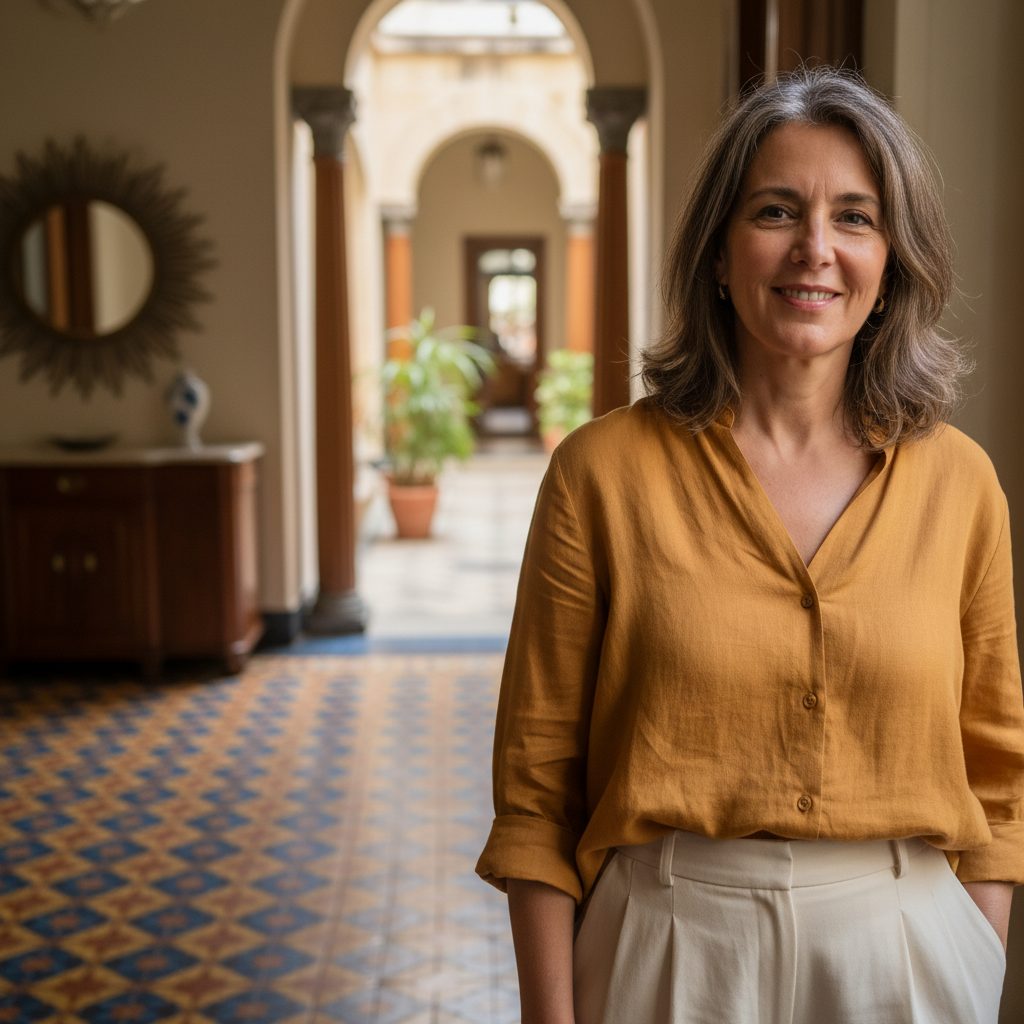
Susan
Susan is the host of Aster House and a founder of Espais Roca, a small collection of heritage homes lovingly restored across Malta, Portugal and the UK. She lives near the villa, welcomes most guests personally, and is on hand by message or phone during every stay.
Read more about Susan and Aster House →