
Malta is a breathtaking Mediterranean gem where sun-kissed coastlines, ancient stone cities, and crystal-clear waters come together in perfect harmony. With more than 300 days of sunshine per year, this small island nation offers a unique blend of rich history, vibrant culture, and relaxed seaside living that draws travelers from around the world. From exploring centuries-old fortresses and charming fishing villages to diving into the dazzling Blue Lagoon, Malta promises experiences that feel both timeless and refreshingly modern.
Choosing the right place to stay is key to enjoying everything the island has to offer. Each area of Malta has its own unique character—whether you prefer the lively waterfront of Sliema, the historic streets of Valletta, or the tranquil beauty of Gozo. One of the best ways to get to know Sliema and its coastal charm is through its local insights, such as those shared in this guide to exploring Sliema, Malta Vacation. In this guide, you’ll discover the best areas for every type of traveler, essential tips for planning your trip, and a standout luxury accommodation.
Is Malta Part of the European Union? What Travelers Need to Know
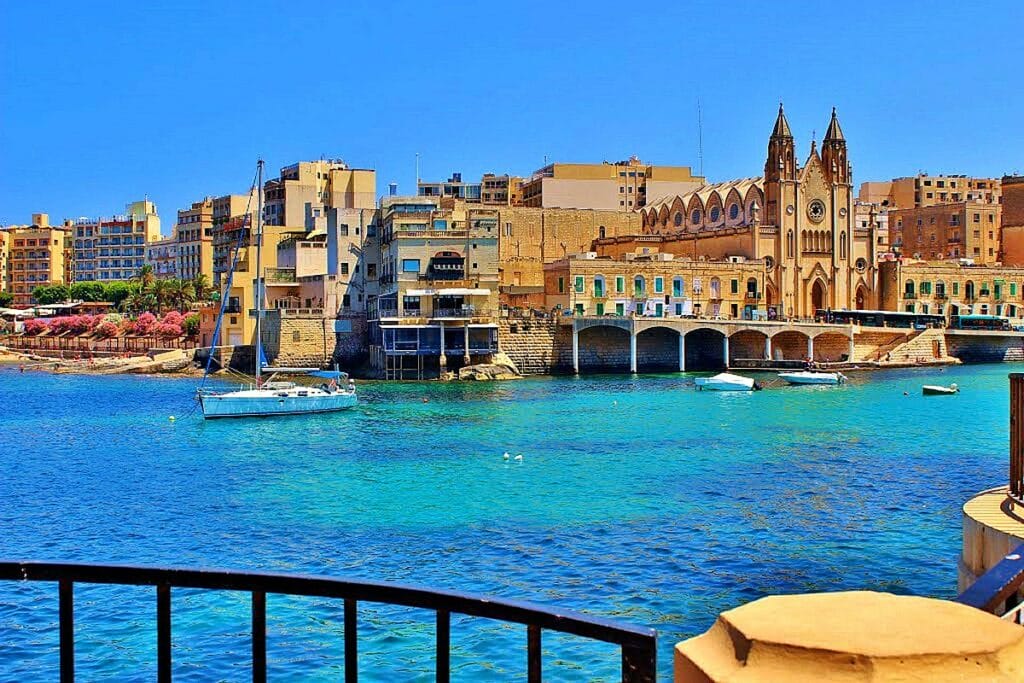
Yes, Malta is a full member of the European Union (EU). The country joined the EU in 2004 and later adopted the euro (€) as its official currency in 2008, making it an easy and convenient destination for travelers from Europe and beyond. This EU membership ensures that visitors benefit from the same high standards in safety, healthcare, and consumer protection that travelers expect across Europe.
For tourists, one of the biggest advantages of Malta being in the EU is the simplicity of currency and payments. With the euro widely used across the island, travelers don’t have to worry about complicated currency exchanges or hidden fees. Whether you’re paying for local dining, attractions, or your stay at a luxury villa like Aster House in Sliema, transactions are straightforward and familiar for most European visitors.
Another benefit is visa-free travel for EU citizens, making entry into the country smooth and hassle-free. Even many non-EU travelers can visit Malta under Schengen rules, allowing short-term stays without complex paperwork. This ease of access, combined with Malta’s strategic Mediterranean location, makes it a perfect base for exploring both the islands themselves and neighboring countries.
Safety and Standards are also important for travelers. Malta, as an EU country, follows strict regulations in healthcare, environmental protection, and consumer rights. Visitors can enjoy peace of mind knowing that services—from hospitals to restaurants—adhere to rigorous European standards.
Traveler FAQ:
- Do I need a visa? EU citizens do not need a visa; many non-EU visitors can enter under Schengen rules, but it’s always best to check requirements based on your nationality.
- Is healthcare EU-standard? Yes. Malta’s healthcare system is well-regulated and meets high EU standards, offering both public and private services.
- Is the euro widely accepted? Absolutely. From markets to luxury hotels and villas like Aster House, the euro is the standard currency everywhere.
Malta’s EU membership ensures that travel is simple, safe, and convenient, allowing you to focus on enjoying everything this Mediterranean paradise has to offer.
Malta at a Glance: Essential Travel Information
Malta may be small, but it packs a punch when it comes to culture, history, and natural beauty. Nestled in the heart of the Mediterranean, the islands are known for their sun-soaked beaches, ancient cities, and vibrant local life. Whether you’re planning a short city break or a longer island adventure, knowing the essentials can make your trip smoother and more enjoyable.
Quick Travel Facts:
- Best Time to Visit: Spring (March–May) and autumn (September–November) offer mild weather, fewer crowds, and ideal sightseeing conditions. Summers can be hot, especially in July and August, but are perfect for beach lovers.
- Official Languages: Maltese and English are both widely spoken, making communication easy for international travelers.
- Transport Options: Getting around Malta is convenient with an extensive bus network, reliable ferries between the islands, car hire options, and walkable towns—especially in areas like Sliema, Valletta, and Mdina.
- Climate: Expect hot, dry summers and mild, wet winters. Even in winter, temperatures rarely drop below 10°C (50°F), making Malta a year-round destination.
When it comes to accommodation, Malta offers something for every taste and budget. Luxury travelers can indulge in private villas and seaside resorts, where modern amenities meet stunning Mediterranean views. Boutique hotels provide stylish, intimate settings often located in historic buildings, ideal for couples or cultural enthusiasts. Budget-conscious travelers will find plenty of guesthouses and self-catering apartments, perfect for exploring the islands without breaking the bank.
Whether you’re staying in a luxurious Sliema villa, a charming Valletta hotel, or a cozy guesthouse in Gozo, Malta’s diverse accommodation options ensure every traveler can find the perfect base. Planning and choosing the right style of lodging will help you make the most of your Maltese adventure.
Best Areas to Stay in Malta: A Comprehensive Guide
Choosing the right area to stay in Malta can transform your holiday from good to unforgettable. Each town and neighborhood has its own character, offering unique experiences, attractions, and atmospheres. Whether you’re seeking history, beaches, nightlife, or tranquility, Malta has a perfect base for every type of traveler. Below is a breakdown of the island’s top areas to stay, including highlights, travel connections, and accommodation suggestions.
Valletta – History, Culture, and Harbor Views
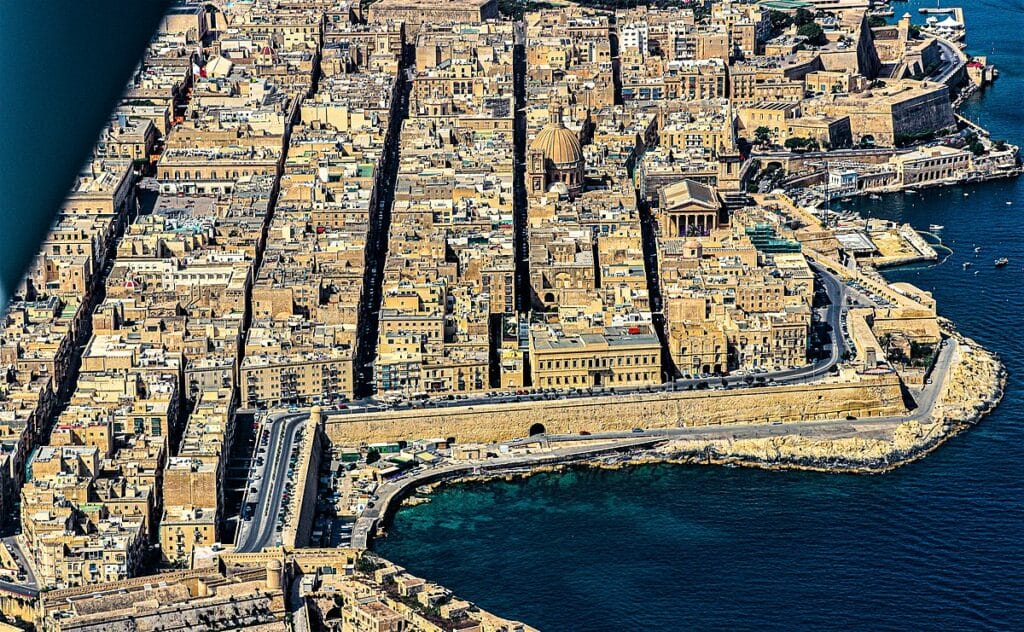
Pros: Central location, rich history, stunning architecture, cultural attractions.
Cons: Can be crowded during peak season; limited nightlife.
Who It Suits: History enthusiasts, couples, and cultural travelers.
Valletta, Malta’s capital and a UNESCO World Heritage site, is a living museum of baroque architecture and Mediterranean charm. Stroll through cobbled streets, visit St. John’s Co-Cathedral, explore the Grandmaster’s Palace, or enjoy panoramic harbor views from the Upper Barrakka Gardens. Valletta also has excellent bus connections across the island and ferries to Sliema and the Three Cities. Accommodation ranges from boutique hotels in restored historic buildings to luxurious modern stays overlooking the harbor.
Sliema – Shopping, Dining, and Seaside Promenade
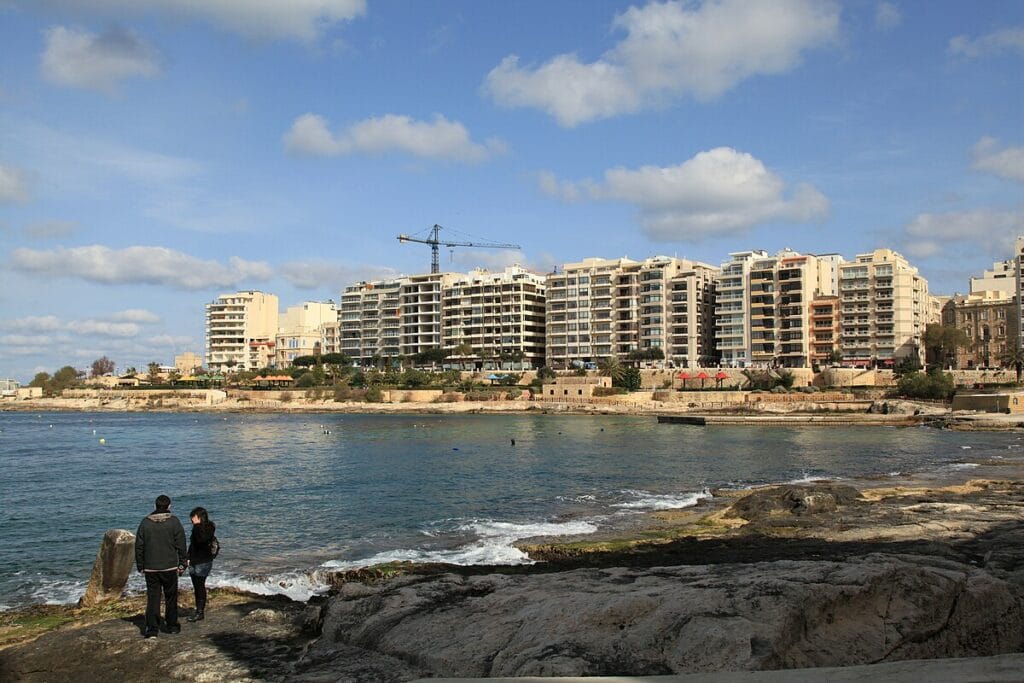
Pros: Vibrant promenade, great dining options, shopping hubs, and easy ferry access to Valletta.
Cons: Can feel busy and touristy, especially near the waterfront.
Who It Suits: Families, couples, and travelers seeking convenience and modern amenities.
Sliema is one of Malta’s most popular areas for visitors. Its coastal promenade is perfect for morning walks or sunset views, while the town itself offers excellent cafés, restaurants, and shops. Ferries to Valletta make day trips effortless, and bus routes connect to the rest of the island.
For travelers looking to explore Malta’s smaller islands, Sliema is also the perfect starting point. You can embark on the Gozo, Comino & The Blue Lagoon Boat & Bus Tour to discover Gozo by bus and sail to Comino to enjoy the famous Blue Lagoon. This combination tour makes it easy to experience Malta’s stunning natural beauty in a single day.
St. Julian’s (Paceville) – Nightlife and Entertainment
Pros: Bustling nightlife, casinos, bars, clubs, dining options.
Cons: Noisy at night, less suited for families or those seeking quiet.
Who It Suits: Young travelers, party-goers, entertainment seekers.
The Paceville district of St. Julian’s is Malta’s hub for nightlife. From lively bars and clubs to late-night dining, this area never sleeps. During the day, you can relax along St. George’s Bay or take a short walk to Spinola Bay for picturesque waterfront views. St. Julian’s is well-connected by bus to Sliema and Valletta, making it convenient to combine nightlife with sightseeing. Accommodation here includes modern hotels and serviced apartments catering to groups and couples.
Mdina & Rabat – Medieval Charm and Tranquility
Pros: Quiet streets, historic atmosphere, panoramic views, cultural heritage.
Cons: Limited nightlife, fewer modern amenities.
Who It Suits: Couples, history buffs, travelers seeking peace.
Known as the “Silent City,” Mdina offers a step back in time with medieval walls, narrow alleys, and stunning architecture. Nearby Rabat is home to historic sites like St. Paul’s Catacombs and charming local cafés. These towns are ideal for those wanting a slower pace, cultural immersion, and romantic settings. Accommodation options are boutique guesthouses, heritage homes, and charming B&Bs.
Gozo – Rustic Landscapes, Beaches, and Diving
Pros: Beautiful countryside, quiet beaches, diving spots, authentic Maltese culture.
Cons: Less nightlife, smaller towns, requires ferry from Malta.
Who It Suits: Nature lovers, families, divers, couples seeking tranquility.
Gozo, Malta’s sister island, is renowned for its lush landscapes and slower pace. Highlights include Ramla Bay, the historic citadel in Victoria, and diving spots around Dwejra Bay. Travelers can reach Gozo via a 25-minute ferry from Cirkewwa. Accommodation ranges from seaside villas and farmhouses to cozy guesthouses. Gozo is perfect for those wanting to escape the busier tourist areas and experience authentic Maltese life.
Marsaxlokk & the South Coast – Fishing Villages and Authentic Culture
Pros: Traditional fishing villages, weekly fish market, scenic harbors.
Cons: Limited luxury accommodations, quieter nightlife.
Who It Suits: Foodies, culture seekers, travelers looking for authenticity.
Marsaxlokk is a picturesque fishing village famous for its colorful boats and Sunday fish market. Along the south coast, visitors can explore the Blue Grotto, Wied iz-Zurrieq, and hidden beaches. This area is ideal for travelers seeking authentic Maltese culture, fresh seafood, and a peaceful coastal experience. Accommodation includes local guesthouses and boutique seaside hotels.
Mellieħa & Golden Bay – Sandy Beaches and Family-Friendly Resorts
Pros: Stunning sandy beaches, family-friendly, great water sports.
Cons: Can be crowded in summer, further from main cultural sites.
Who It Suits: Families, beach lovers, holidaymakers seeking relaxation.
Mellieħa and nearby Golden Bay are perfect for sun, sand, and sea. These areas offer some of Malta’s best sandy beaches, calm waters, and a variety of resorts catering to families and couples alike. Well-connected by bus, Mellieħa also serves as a base for exploring the northern coast and nearby islands. Accommodation options include beachfront resorts, villas, and self-catering apartments.
Featured Stay: Aster House – Luxury Art-Deco Villa in Sliema
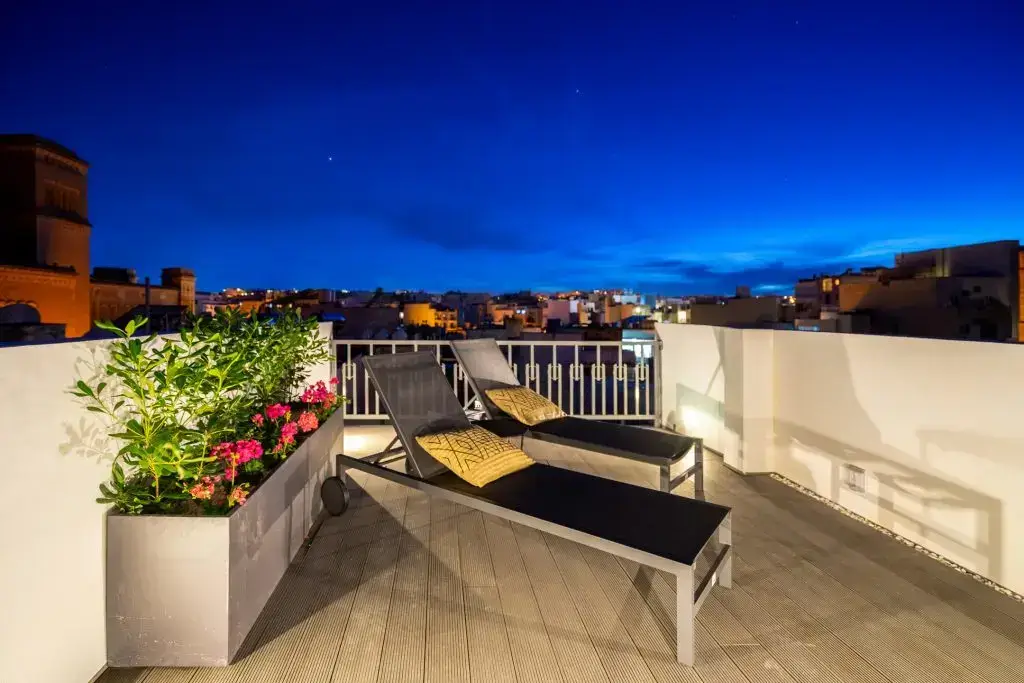
For travelers seeking a luxury retreat in Sliema, Aster House stands out as a premier choice. This 240 m² Art-Deco villa combines sophisticated design, modern amenities, and family-friendly features, making it perfect for groups, families, or couples looking for a memorable Maltese escape. Sleeping up to nine guests, it offers the space and privacy of a high-end villa while remaining just steps from the sea and the bustling Sliema promenade.
Elegant Interiors and Comfort
Inside, Aster House is designed to provide both luxury and practicality:
- Three spacious bedrooms with premium superking beds ensure restful nights for every guest.
- Three modern bathrooms stocked with Rituals toiletries add a touch of indulgence.
- Eco-friendly climate control keeps the villa comfortable throughout the year.
- Indoor–outdoor living is made possible by a striking 10-metre folding glass wall, seamlessly connecting the lounge and dining area with the outdoor terrace.
The villa’s media room offers entertainment for all ages, featuring a projector, Netflix, Xbox, and family-friendly games, making it ideal for relaxing evenings after exploring Malta.
Outdoor Spaces for Relaxation and Fun
Aster House truly shines when it comes to outdoor living:
- Rooftop chill-out zone with panoramic views for sunset drinks or stargazing.
- BBQ terrace for alfresco dining with family or friends.
- Private master suite garden for a peaceful, secluded retreat.
Families will appreciate the thoughtful extras, including a baby cot, high chair, kids’ games, and beach towels, ensuring that guests of all ages are comfortable and well-catered for.
Prime Location
Location is one of Aster House’s biggest advantages:
- Just 150 metres from the sea, perfect for quick swims or evening strolls along the promenade.
- Close to Sliema’s shops, cafés, and restaurants, providing convenient access to dining, shopping, and nightlife.
- Easy ferry connections to Valletta, making day trips to the capital effortless.
With its combination of style, comfort, and location, Aster House provides an exceptional base for exploring Sliema and beyond. Whether you’re lounging on the rooftop, enjoying a movie in the media room, or stepping out to the promenade, every moment feels curated for relaxation and enjoyment.
For those looking to experience luxury living in Malta, Aster House is the ultimate choice.
Book your stay:- Aster House – Sliema Villa Malta.
Essential Travel Tips for Visiting Malta
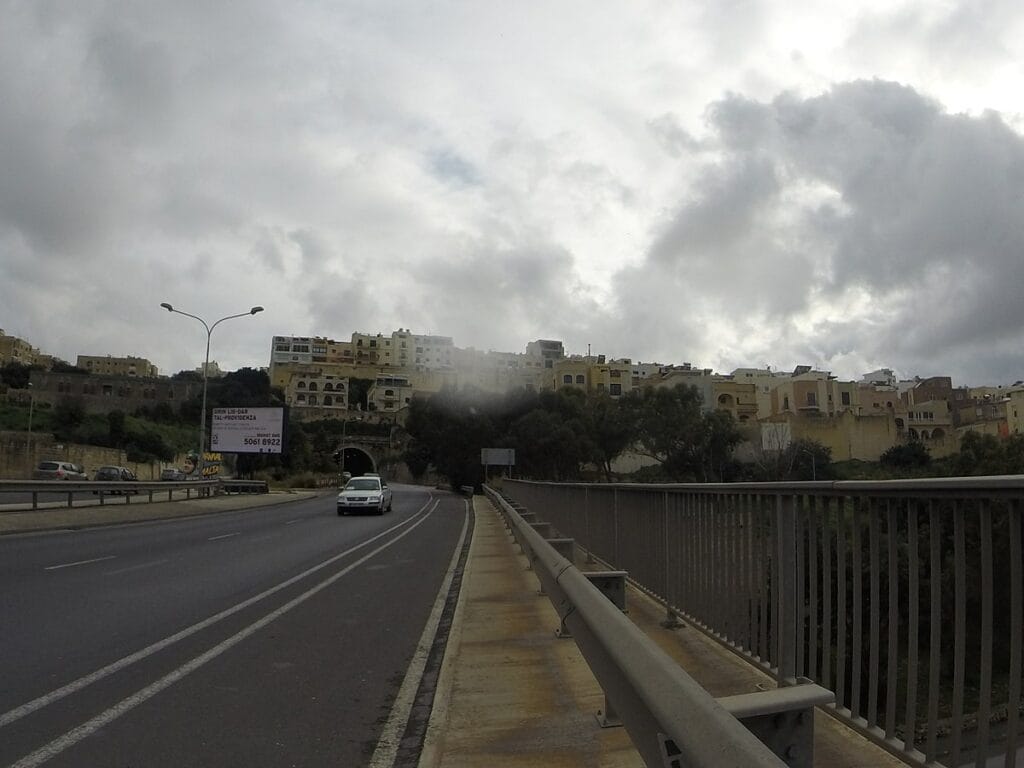
Visiting Malta is a delightful experience, but a little planning can make your trip even smoother and more enjoyable. From understanding local transport options to packing smartly and respecting cultural customs, these tips will help you make the most of your Maltese adventure.
Getting Around Malta
Despite its small size, Malta offers a variety of convenient transport options:
- Buses: Malta has an extensive bus network connecting major towns, tourist attractions, and beaches. Buses are affordable, reliable, and a great way to experience daily life on the island. Consider purchasing a Tallinja card for unlimited travel.
- Ferries: Ferries are essential for traveling between Sliema, Valletta, and the Three Cities, as well as for reaching Gozo and Comino. They are not only practical but also offer scenic views of the coastline.
- Taxis & Ride-Sharing: Taxis are available but can be expensive. Pre-booking or using ride-hailing apps like Bolt is recommended for convenience.
- Car Hire: Renting a car is ideal for exploring rural areas or hidden beaches. Keep in mind that Malta drives on the left, and some streets, particularly in older towns, are narrow.
Smart Packing for Malta
Packing thoughtfully ensures comfort while exploring the islands:
- Clothing: Light, breathable clothing is essential for the hot Mediterranean climate, especially in summer. Bring a light jacket for cooler evenings or breezy coastal walks.
- Footwear: Comfortable walking shoes or sandals are a must for cobblestone streets, hiking trails, and exploring historic towns.
- Sun Protection: Sunscreen, sunglasses, and a hat are essential to protect yourself from Malta’s strong sun.
- Adapters & Electronics: Malta uses Type G power sockets, the same as the UK, so remember to bring adapters if your devices use different plugs.
Understanding Local Customs and Etiquette
Respecting local customs can enhance your experience and help you connect with locals:
- Dining Hours: Maltese restaurants typically open for lunch from 12:30 PM to 3 PM and dinner from 6:30 PM to 10 PM. Reservations are recommended for popular spots.
- Tipping: While not mandatory, tipping 5–10% in restaurants is appreciated. Small tips for taxis and hotel staff are also customary.
- Cultural Festivals: Malta is rich in festivals, including village feasts, religious celebrations, and music events. Participating respectfully and observing local traditions adds a unique layer to your trip.
Must-See Day Trips
Malta is small, but there’s plenty to explore beyond your base in Sliema or Valletta:
- Blue Lagoon: Located on Comino, the Blue Lagoon is famous for its crystal-clear turquoise waters and ideal swimming conditions. Take a ferry or a day tour from Malta’s main islands.
- Gozo: Malta’s sister island offers stunning beaches, scenic countryside, and historic sites like the Citadel in Victoria. The ferry ride itself is a picturesque introduction to Gozo’s charm.
- Comino: Beyond the Blue Lagoon, Comino’s quiet coves and hiking trails make it a peaceful escape for nature lovers and snorkelers.
Bonus Tips
- Stay hydrated while exploring in the sun and carry a reusable water bottle.
- Download offline maps or use mobile apps to navigate bus routes and ferry schedules.
- Learn a few basic Maltese phrases or greetings—it’s appreciated by locals, though English is widely spoken.
With these travel tips in mind, you can explore Malta confidently, whether it’s wandering the historic streets of Valletta, enjoying seaside walks in Sliema, or taking day trips to the Blue Lagoon and Gozo. Proper preparation ensures you’ll enjoy every moment of this sun-soaked Mediterranean paradise.