
In Malta, the official languages are Maltese and English. Maltese, a Semitic language influenced by Italian and Arabic, is the national language, spoken in daily conversations, local media, and cultural events. English, introduced during British rule, remains widely used in government, business, education, and tourism. This bilingual environment makes Malta one of the easiest European destinations for international travelers to navigate.
Knowing a bit about Malta’s languages can also enhance your stay on the island. Whether you are exploring historic Valletta, strolling along Sliema’s promenade, or planning your accommodation, understanding the role of both Maltese and English helps you connect with locals and enjoy a richer experience. If you’re looking for recommendations, our guide on the best areas to stay in Malta and top hotels offers detailed insights into neighborhoods, luxury villas, and family-friendly options.
The Official Languages of Malta

Malta officially recognizes two languages: Maltese and English. This bilingual system is deeply rooted in the island’s history and culture, and it shapes everyday life, education, business, and tourism. For visitors, understanding the official languages can make travel smoother and enrich their experience of Maltese culture.
Maltese
Maltese is the national language of Malta and is spoken by nearly all locals as their first language. Its unique character reflects the island’s diverse history and cultural influences. Key points about Maltese include:
- Origins: Semitic, closely related to Arabic, with heavy influences from Italian, Sicilian, and English.
- Usage: Spoken in everyday conversation, local media, cultural events, and informal communication.
- Script: Written in the Latin alphabet, making it accessible for travelers familiar with European scripts.
- Significance: Maltese is a strong marker of national identity and heritage, representing the local culture and traditions.
English
English is the second official language in Malta and plays a crucial role in modern life on the island. It was introduced during British rule and has remained prominent ever since. Highlights of English usage in Malta include:
- Prevalence: Widely spoken across the island in government, business, education, and tourism.
- Accessibility: Makes Malta easy to navigate for international travelers.
- Media and Education: Used extensively in newspapers, television, radio, and higher education institutions.
Impact of Bilingualism
Malta’s bilingual nature affects multiple aspects of daily life and public services. Some examples include:
- Signage: Street signs, official notices, and public transport information are typically displayed in both Maltese and English.
- Government & Administration: Documents, forms, and official communications are available in both languages.
- Media: Newspapers, TV programs, and radio stations broadcast in Maltese, English, or both, catering to locals and visitors alike.
- Tourism & Services: Hotels, restaurants, and businesses use English widely to accommodate international guests, while locals often communicate in Maltese in personal settings.
This harmonious coexistence of Maltese and English makes Malta a truly bilingual country. Visitors can enjoy the rich cultural heritage expressed through Maltese while also benefiting from the widespread use of English, which ensures ease of communication across the island.
A Brief History of the Maltese Language
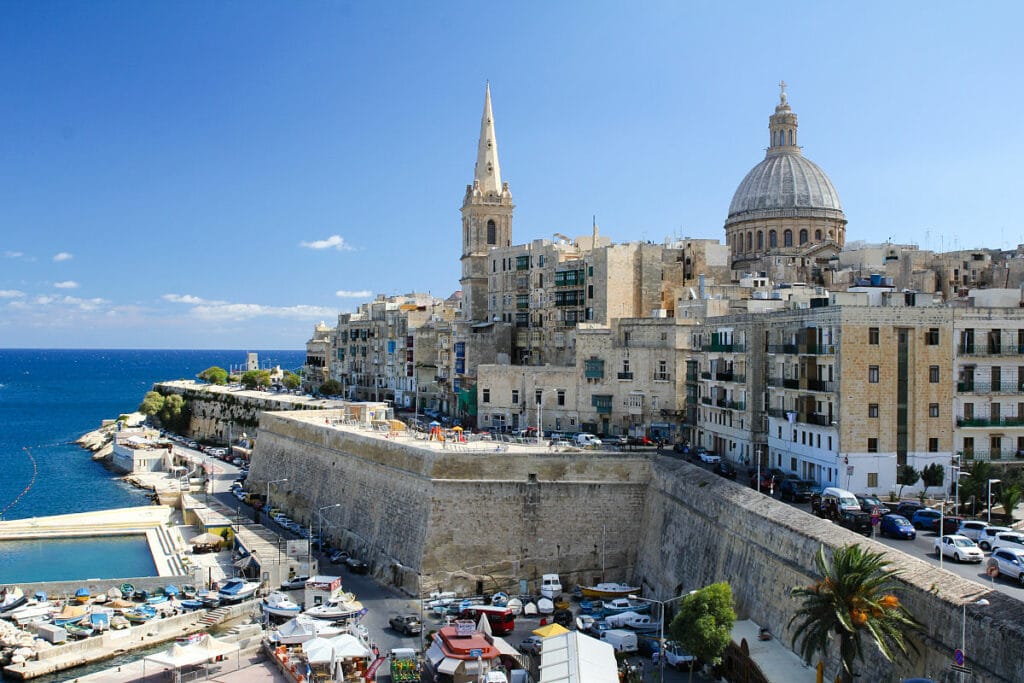
The Maltese language is a vivid reflection of Malta’s rich history and diverse cultural influences. It originates from Semitic roots, closely related to Arabic, which can still be seen in its core vocabulary and grammatical structure. These early influences were brought to the island during Arab rule in the 9th century, giving the Maltese its distinct sound and syntax.
Over the centuries, Malta’s language evolved through contact with neighboring cultures. During the medieval period, the island experienced significant influence from Italian and Sicilian powers. This introduced a large number of loanwords, especially in areas such as religion, administration, and literature. These influences shaped Maltese into a hybrid language, combining its Semitic base with Romance vocabulary, creating a unique linguistic identity.
Key Historical Milestones of the Maltese Language
- Semitic Origins: Derived from Maghrebi Arabic dialects introduced in the 9th century.
- Italian and Sicilian Influence: Borrowed vocabulary during medieval rule, enriching religious, administrative, and literary language.
- British Colonial Period (1814–1964): Introduction of English as a second language; integrated into education, governance, and commerce.
- Modern Era: Maltese as a national identity marker; English as a global link for tourism, business, and international communication.
The British colonial period had a profound impact on Malta’s bilingual nature. English became widely used in government, schools, and the business sector, complementing Maltese rather than replacing it. This coexistence laid the foundation for Malta’s modern bilingual society, where both languages thrive side by side.
Today, Maltese is more than just a means of communication—it is a symbol of national pride and cultural identity, spoken by nearly all Maltese citizens and featured prominently in media, literature, and daily life. English continues to serve as Malta’s bridge to the world, supporting tourism, education, and global business.
Why This History Matters for Visitors
- Helps travelers understand the rich cultural heritage of Malta.
- Explains why both Maltese and English are used in signage, government documents, and media.
- Enhances the travel experience by allowing visitors to connect with locals more meaningfully.
- Makes navigating the island, from historic Valletta to modern Sliema, easier and more immersive.
Understanding the history of Malta provides a deeper appreciation for the island’s culture. From its Semitic roots to Italian influences and the integration of English, Malta’s language tells a story of centuries of cultural convergence—an experience every traveler can witness firsthand.
English in Malta: Communication Made Easy
One of the advantages of visiting Malta is that English is widely spoken and understood across the islands. This makes the country extremely accessible for international travelers, who rarely face language barriers when exploring attractions, interacting with locals, or managing daily tasks. English serves as a bridge between visitors and the rich Maltese culture, making communication smooth and stress-free.
In hotels, restaurants, and tours, English is the primary language for customer service:
- Hotels & Villas: Staff are highly proficient in English, making check-ins, inquiries, and requests effortless. For those seeking premium accommodation, our guide on why Malta is the ideal destination for luxury villa rentals highlights properties with fully English-speaking staff and seamless booking processes.
- Restaurants & Cafes: Menus are typically in English, and staff are ready to explain local dishes and dining customs.
- Tours & Excursions: Guided tours, ferry services, and sightseeing trips use English for instructions, making it easy for visitors to participate and enjoy every experience.
English also plays a crucial role beyond tourism. It is widely used in business, education, and media, including:
- Schools and universities often use English as the language of instruction.
- Local newspapers, TV channels, and online media publish content in English alongside Maltese.
- Business communications, legal documents, and government services are frequently available in English.
For travelers, this widespread knowledge of English means they can navigate Malta confidently, whether:
- Asking for directions in Valletta or Mdina
- Booking a seaside villa or hotel in Sliema
- Reading street signs, timetables, or restaurant menus
- Engaging with locals at markets, shops, or cultural events
The bilingual nature of Malta ensures that visitors feel comfortable exploring the island without worrying about communication barriers. Being able to rely on English allows travelers to focus on enjoying Malta’s history, beaches, cuisine, and vibrant neighborhoods.
Maltese Language in Daily Life: Phrases, Signs, and Cultural Tips for Travelers
While English is widely understood in Malta, Maltese remains the heartbeat of daily life on the islands. It is spoken in homes, local markets, villages, and traditional neighborhoods, reflecting the culture and identity of the Maltese people. Hearing Maltese in everyday settings gives travelers a sense of authenticity and connection to local life.
Maltese is not entirely uniform across the islands. There are subtle dialects and pronunciation differences between regions, especially between Malta and Gozo. These variations may affect the way certain words are spoken, but locals are always friendly and welcoming to visitors trying to use basic phrases.
Common Maltese Phrases for Travelers
Learning a few simple phrases can greatly enhance your experience:
- Hello: “Bongu”
- Thank you: “Grazzi”
- Please: “Jekk jogħġbok”
- Goodbye: “Saħħa”
- Numbers: 1 – wieħed, 2 – tnejn, 3 – tlieta
Using even a few of these phrases shows respect for local culture and often brings smiles from locals. It also helps travelers feel more engaged in traditional areas, markets, and community events.
Maltese appears in many aspects of public life:
- Street Signs: Most street names and directions are displayed in both Maltese and English.
- Menus & Cafes: Local eateries often list dishes in Maltese, sometimes with English translations.
- Cultural Events & Festivals: Maltese is the primary language in religious celebrations, village festas, and traditional performances.
- Shops & Markets: Vendors frequently greet customers in Maltese, adding an authentic touch to shopping experiences.
Italian and Other Languages in Malta
While Maltese and English are the official languages of Malta, the island’s history and international connections mean that other languages are commonly spoken as well. Among these, Italian stands out due to historical ties and media influence. Many Maltese people understand Italian, thanks to centuries of cultural exchange and the widespread consumption of Italian television, radio, and newspapers. For travelers, this makes Italian an additional convenient language for communication, especially when exploring cultural sites or interacting with older generations.
Beyond Italian, Malta is home to a diverse expatriate community, bringing additional languages into everyday life. Some of the most common languages spoken by residents and visitors include:
- French: Spoken by expatriates from France and francophone countries.
- German: Used by residents from Germany and neighboring European countries.
- Russian: Common among the growing Russian-speaking community and tourists.
This multilingual environment adds a rich, cosmopolitan flavor to Malta, particularly in cities like Sliema, St. Julian’s, and Valletta, where international businesses, restaurants, and events cater to a global audience. Visitors will often encounter menus, signs, and service staff who can communicate in multiple languages, enhancing the accessibility of the island for travelers from around the world.
Language and Malta’s Tourism Scene
- Malta’s bilingual foundation (Maltese and English) is complemented by Italian and other languages, making the island extremely tourist-friendly.
- Hotels, luxury villas, and holiday rentals often provide multilingual staff to ensure smooth communication.
- Cultural festivals, guided tours, and museum exhibits frequently offer information in several languages, including Italian, French, and German.
This linguistic diversity reflects Malta’s long-standing role as a crossroads of Mediterranean culture. Understanding that the island is not just bilingual but also multilingual helps travelers feel more confident exploring its neighborhoods, shopping in local markets, or engaging in cultural activities. Whether you speak English, Italian, or another language, Malta’s residents and tourism professionals are accustomed to accommodating visitors from all over the world.
Language in Malta: Practical Tips for Hotels, Restaurants, Transport, and Emergencies

When visiting Malta, knowing how to use both Maltese and English in practical situations can make your trip smoother and more enjoyable. While English is widely understood, familiarity with basic Maltese phrases can enhance your experience and help you connect with locals.
Hotels and Accommodations
- Check-ins & Bookings: Most hotels and villas have English-speaking staff, making reservations, check-ins, and inquiries straightforward.
- Communication: Guests can ask about amenities, local recommendations, or transportation using English or polite Maltese greetings like “Bongu” (Hello) or “Grazzi” (Thank you).
Restaurants and Cafés
- Menus & Ordering: Menus are usually in English, but learning basic Maltese phrases for ordering can impress locals.
- Dining Etiquette: Polite phrases such as “Jekk jogħġbok” (Please) and “Saħħa” (Cheers/Good Health) show respect for local customs.
- Interaction: Staff appreciate when visitors make an effort with the local language, even if most communication is in English.
Transport
- Buses, Ferries, and Taxis: Most operators use English for schedules, routes, and fares, making navigation simple for tourists.
- Asking for Directions: Basic Maltese greetings or simple questions in English help you get around efficiently.
Shopping
- Markets & Local Stores: English is commonly understood, but vendors may greet in Maltese. Learning phrases like “Kemm tiswa?” (How much is it?) adds authenticity to your shopping experience.
- Malls & Supermarkets: Staff can assist in English, and signs often include both languages.
Emergencies
- Hospitals, Pharmacies, and Police: English is essential for urgent situations. Always know the English terms for health and safety needs, and keep emergency numbers handy.
- Communication: Explaining your situation in English ensures quick and accurate assistance from professionals.
Book Your Luxury Stay at Aster House, Sliema, Malta
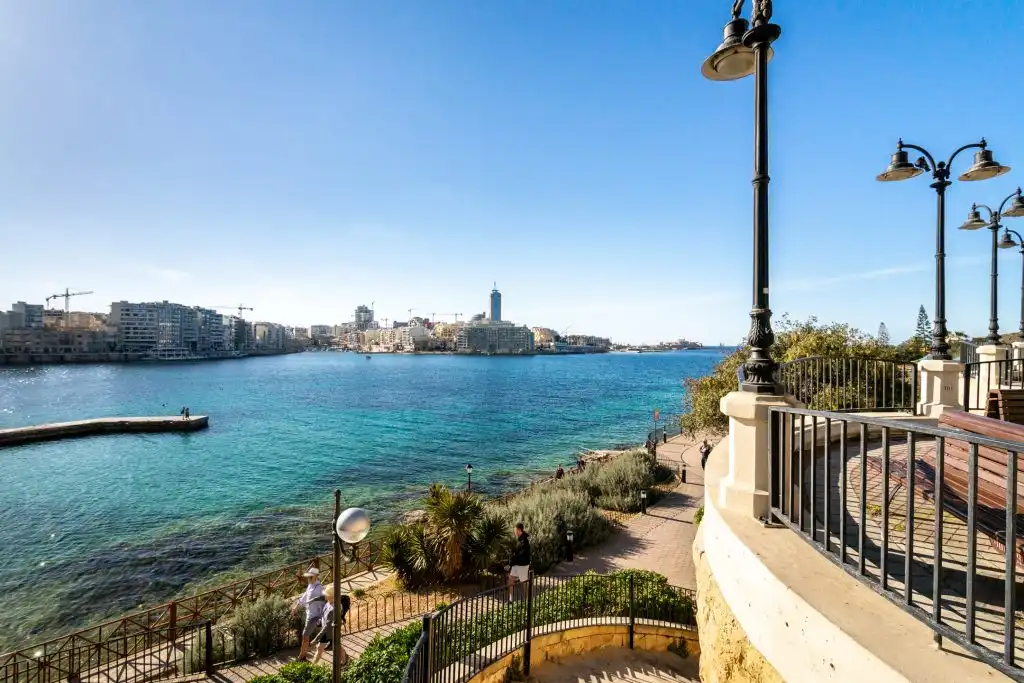
After exploring the rich language, culture, and daily life in Malta, there’s no better way to complete your experience than by staying in a luxury villa that combines comfort, style, and local charm. Aster House Malta is a stunning Art Deco villa in Sliema, offering a perfect base for your Maltese adventure.
Why Choose Aster House?
- Prime Location: Just 150 meters from the sea, ideal for coastal walks, seaside views, and easy access to local attractions.
- Luxury Amenities: Enjoy rooftop chill-out zones, a BBQ & dining terrace, private garden for the master suite, and spa-like bathrooms with deep soaking baths and premium toiletries.
- Family-Friendly: Equipped with baby cots, high chairs, toys, games, CBBC & Kids’ Netflix, and XBOX One for all ages.
- Entertainment & Technology: Media room with a 2-meter projector screen, free Netflix, and fun gadgets throughout the villa.
- Comfort & Style: Premium superking beds, soft linens, eco-friendly climate control, and custom-made furniture throughout the 240 m² villa.
A Personalized Experience
At Aster House, guests enjoy a blend of luxury and local hospitality. The hosts are highly responsive via messaging apps or phone, and flexible check-in/out options make your stay effortless. Self-check-in is available for late arrivals, while personalized welcome and support ensure you feel at home from the moment you arrive.
Perfect for Travelers
Whether you’re visiting Malta for its beaches, historic sites, or vibrant culture, Aster House provides a comfortable and stylish retreat. Families, couples, and groups can enjoy the villa’s spacious rooms, fully equipped kitchen, and multiple entertainment areas, making it an ideal choice for any traveler seeking both relaxation and convenience.